
Radiation Shielding Challenges in Modern Medical Facilities
Modern medical facilities equipped with advanced X-ray imaging and interventional laser systems face unique radiation protection challenges. Traditional stationary radiation barriers can no longer fully adapt to today's flexible clinical operations. In actual diagnosis and treatment scenarios, equipment placement, procedure table positions, operator standing zones and daily clinical workflows constantly shift. This puts forward higher requirements for modernmedical radiation shielding solutions, calling for flexible, adaptable systems instead of rigid fixed protection structures.
Fixed Barriers Lack Flexible Positioning for Dynamic Procedures
Built-in structural shielding and fixed radiation barriers are essential basic facilities for hospital radiation protection. However, they have obvious limitations in busy interventional rooms and fluoroscopy suites with frequent equipment and personnel adjustments. Once installed, fixed protective barriers cannot be moved or adjusted freely, making it hard to cover dynamic scattered radiation areas during different procedures.
In this case, adjustable radiation protective curtains serve as an effective supplement to fixed shielding systems. They deliver flexible auxiliary radiation protection, allowing clinical teams to adjust the shielding range and position according to on-site procedure layouts and actual protection needs.
Mobile Radiation Shielding Fits Variable Clinical Workflows
Clinical imaging and interventional procedures feature highly variable working environments, where room layouts, device positions and operation zones are adjusted regularly. Mobile radiation shielding perfectly solves the inflexibility of fixed barriers, enabling medical staff to reposition protective barriers at will to match changing working conditions.
Compared with permanent fixed shielding structures, flexible mobile shielding equipment is more suitable for high-frequency scenario switching. It is widely applicable to fluoroscopy rooms, interventional radiology suites, cath labs and other core medical areas where radiation shielding requirements vary greatly from procedure to procedure, ensuring stable and comprehensive clinical radiation protection all the time.
Automatic Tracking Shielding Optimizes Manual Operation Efficiency
In high-intensity interventional clinical environments, frequent manual adjustment of radiation barriers not only consumes extra manpower but also interrupts continuous medical workflows, affecting procedure efficiency and operational smoothness.
The automatic tracking radiation protective curtain is engineered for dynamic clinical scenarios. It can intelligently adjust the shielding position synchronously with medical equipment movement and preset operation parameters, eliminating repeated manual positioning work. For clinical scenarios where the shielding coverage area needs frequent dynamic changes, this automatic shielding system greatly simplifies operation and ensures uninterrupted workflow.
Upgrade from Fixed Protection to Workflow-Adapted Shielding
When selecting radiation protective curtains, medical institutions should not only focus on basic parameters such as lead equivalence and curtain size. More importantly, they need to combine actual clinical scenarios: the frequency of shielding position adjustment, the feasibility of manual operation, and the matching degree between shielding equipment and daily workflow. Reasonable shielding configuration is the key to balanced safety and efficiency.
To cover diversified clinical protection demands, JTBYShield provides three targeted radiation protective curtain configurations for modern medical facilities:
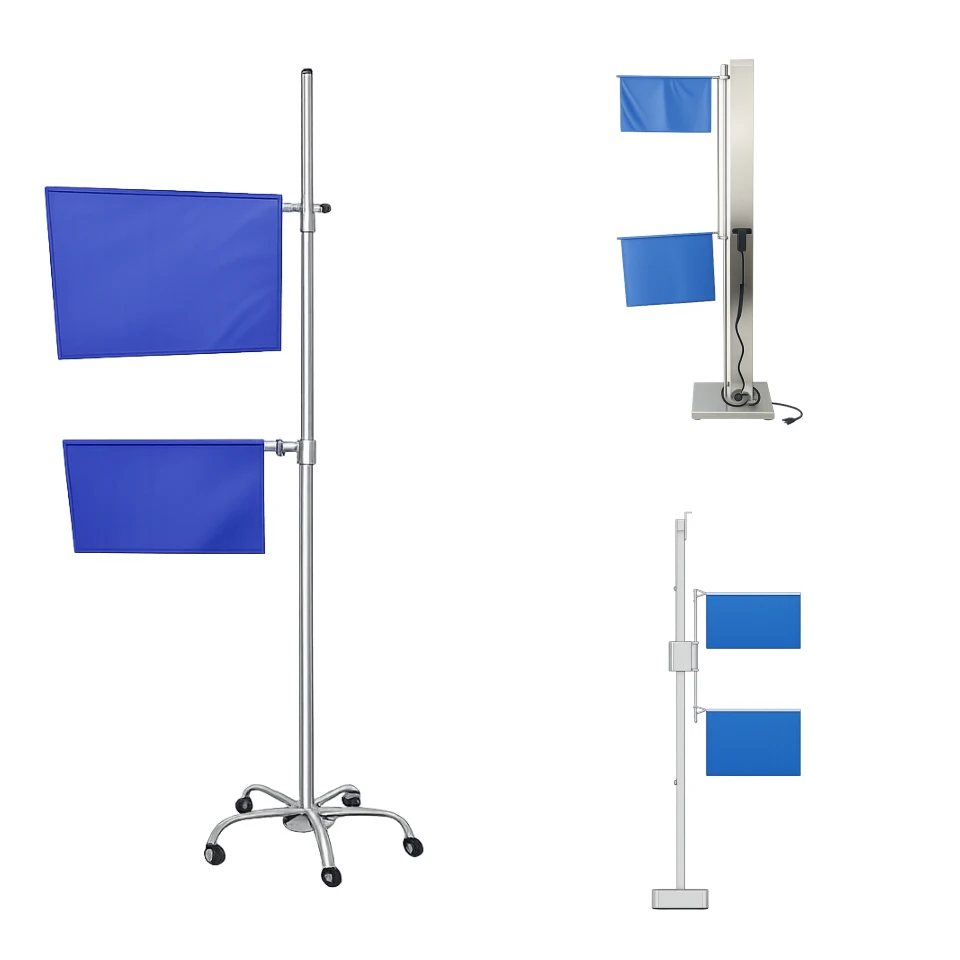
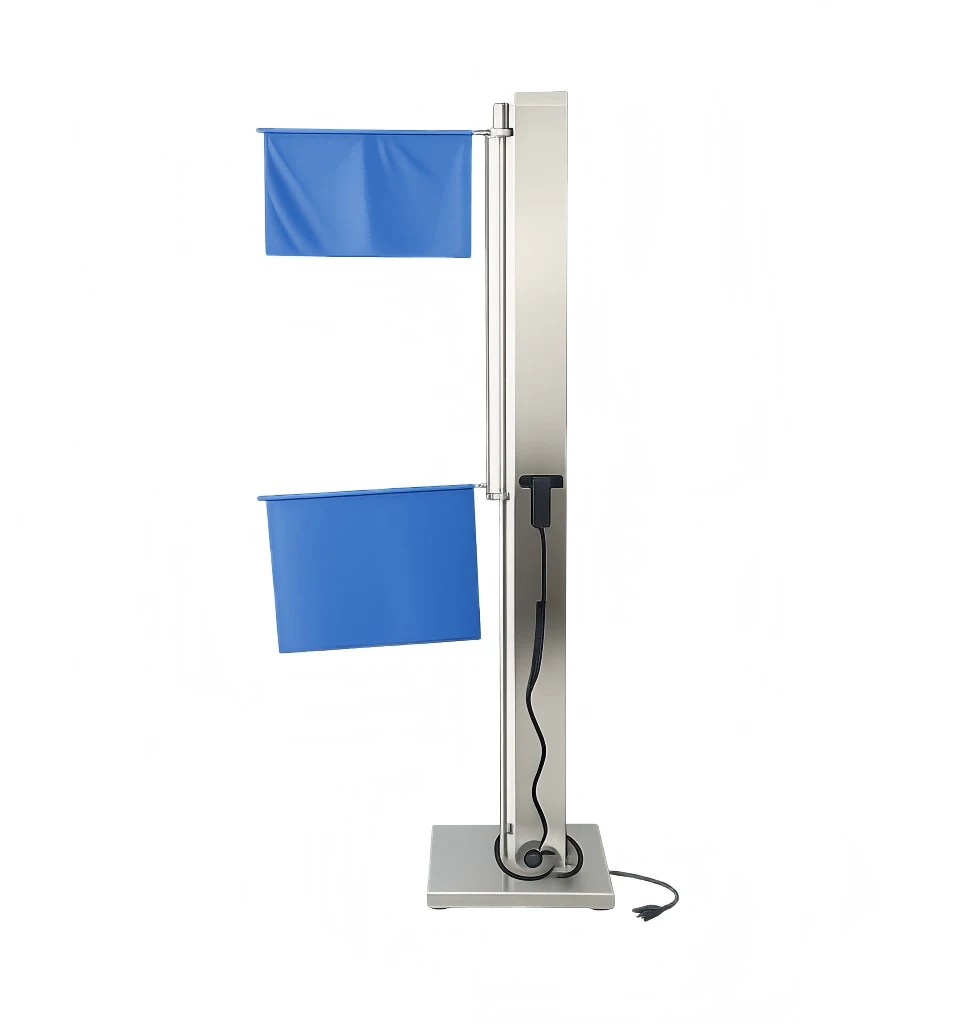
Electric Protective Curtain: Ideal for procedure rooms that require precise electric height adjustment while maintaining a relatively fixed shielding position, delivering stable and convenient automatic height control.
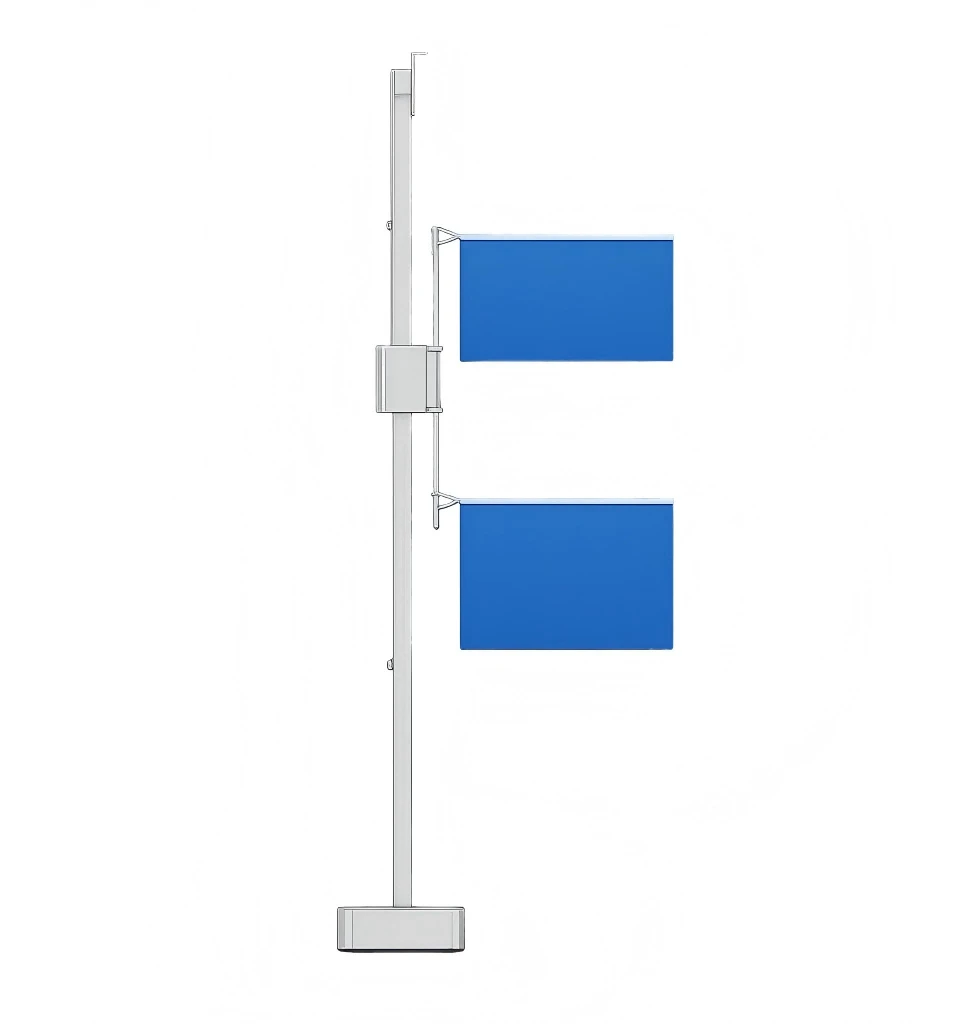
Automatic Tracking Protective Curtain: Designed for dynamic and complex interventional workflows, it realizes intelligent follow-up shielding with minimal manual operation, adapting to real-time equipment position changes.
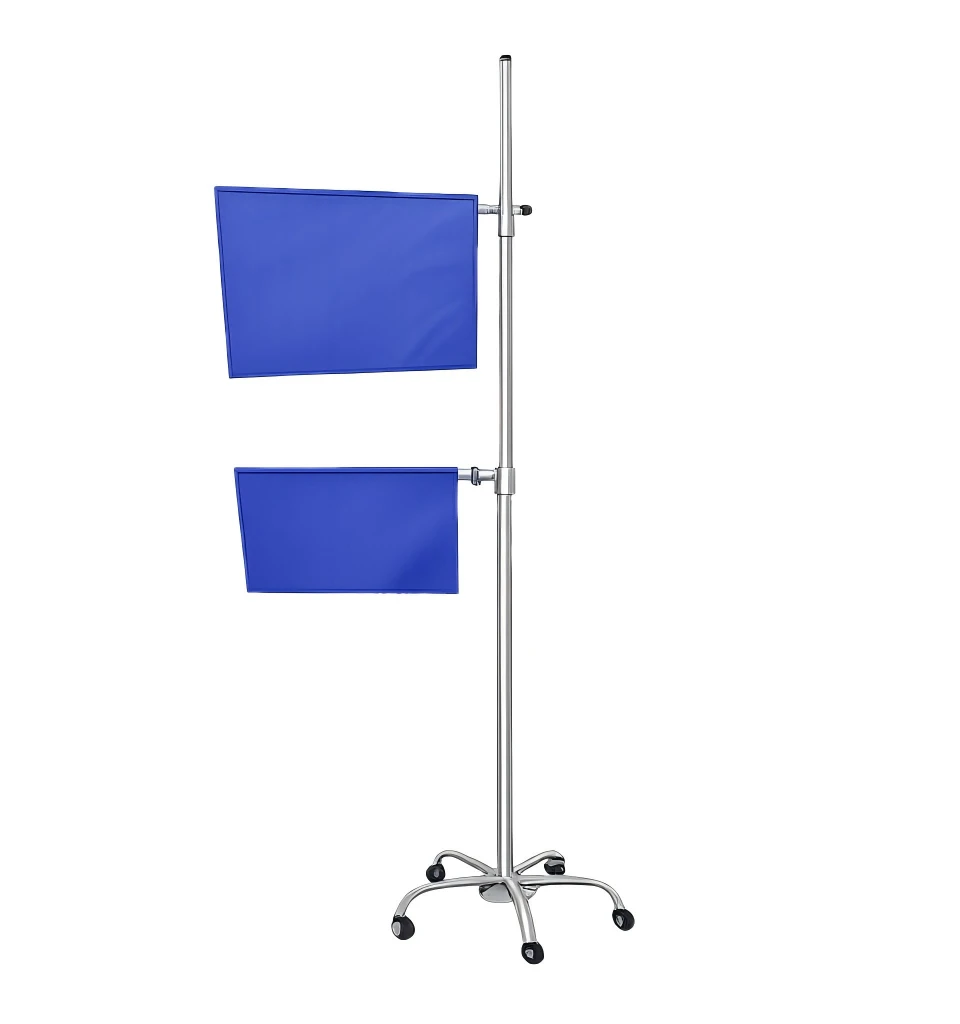
C-Type Mobile Protective Curtain: Suitable for scenarios requiring flexible manual displacement and cross-region use, supporting free movement and rapid positioning between different working areas.
Medical facilities can select the most suitable shielding solution based on actual procedure workflow, fixed/mobile shielding demands, adjustment modes, equipment mobility requirements and radiation coverage needs, to build a fully adaptable modern medical radiation protection system.
Product Series
Electric Protective Curtain
The Electric Protective Curtain features a motorized lifting system that allows users to raise or lower the protective curtain smoothly with minimal effort. It is ideal for modern imaging rooms where quick adjustment and convenient operation are essential.
Features
- Electric lifting system
- Smooth and quiet operation
- Space-saving vertical design
- Stable floor-mounted structure
- Suitable for fixed installation

Automatic Tracking Protective Curtain (Trolley Type)
Designed for mobile imaging applications, the Automatic Tracking Protective Curtain automatically follows equipment movement, ensuring continuous radiation protection without frequent manual repositioning.
Its trolley-mounted design provides excellent flexibility for dynamic clinical environments.
Features
- Automatic tracking function
- Mobile trolley design
- Flexible positioning
- Improves workflow efficiency
- Ideal for fluoroscopy and interventional procedures

Elevating Protective Screen (C-Type)
The Elevating Protective Screen is a manually adjustable mobile radiation barrier designed for flexible shielding around operating tables and imaging equipment.
Its lightweight structure and medical-grade casters allow effortless movement between procedure rooms.
Features
- Adjustable height
- Mobile C-type base
- Lockable medical casters
- Easy positioning
- Compact footprint

Why Fixed Radiation Barriers Are Not Always Enough
Fixed radiation barriers serve as the foundational shielding structure for standard X-ray rooms and deliver stable long-term radiation protection for fixed work zones. However, these stationary shielding solutions are engineered for permanent positioning, which limits their performance in dynamic clinical environments.
Interventional suites, fluoroscopy rooms, and general procedure areas feature highly variable working conditions. Medical teams frequently adjust equipment layouts, reposition procedure tables, and move around patients during examinations and treatments. In such flexible clinical scenarios, relying solely on fixed radiation barriers fails to deliver targeted, all-round radiation coverage, leaving gaps in scattered radiation protection.
The following comparison clearly shows the core differences between fixed shielding structures and motorized electric radiation curtains, helping medical facilities select the most suitable medical radiation shielding solution for different clinical scenarios:
|
Consideration |
Fixed Radiation Barrier |
Electric Radiation Protective Curtain |
|---|---|---|
|
Positioning |
Locked in permanent installation position, no flexible displacement |
Features adjustable shielding positioning to adapt to dynamic operation zones |
|
Adjustment |
No adjustable range after on-site installation |
Smooth electric height adjustment to fit diverse procedure setups |
|
Installation |
Integrated into fixed room structural layout |
Flexibly configured around actual clinical working areas |
|
Workflow Adaptability |
Only applicable to fixed and predictable working positions |
Perfect for clinical environments with changing shielding demands |
|
Space Utilization |
Occupies dedicated fixed space with low flexibility |
Optimizes procedure room space with flexible adjustable coverage |
|
Typical Use |
Structural shielding for conventional stationary X-ray rooms |
Adjustable shielding for X-ray, fluoroscopy and interventional procedures |
Adjustable Electric Shielding Meets Dynamic Clinical Demands
The core advantage of theelectric radiation shielding curtain is not simple structural movement, but its ability to deliver on-demand shielding adjustment for changing clinical requirements.
Fixed radiation barriers work adequately when operators and equipment remain in fixed positions. Yet in interventional procedure rooms, equipment layouts, patient placement and operator standing zones change frequently throughout treatment sessions. These dynamic changes require real-time adjustments to radiation shielding height and coverage areas.
Equipped with motorized electric adjustment functionality, the electric radiation protective curtain solves the rigidity of fixed shielding. It delivers precise, instant shielding modifications without altering the room's overall structural layout.
This makes motorized electric radiation shielding curtains the ideal supplementary shielding equipment for modern hospitals, perfectly balancing reliable radiation protection, flexible adjustable coverage and efficient space utilization.
Complementary Shielding: Fixed Barriers + Electric Protective Curtains
Fixed structural shielding and adjustable electric radiation curtains are not competing products, but mutually supportive radiation protection solutions.
For most modern medical facilities, traditional fixed radiation barriers provide basic overall room protection, while electric radiation protective curtains deliver targeted, procedure-oriented flexible shielding. They effectively cover dynamic scattered radiation blind spots that permanent barriers cannot handle, fully adapting to complex and changeable clinical workflows.
How JTBYShield Electric Radiation Curtain Works
The JTBYShield electric radiation curtain combines adjustable positioning, powered movement, and lead shielding to provide a practical protective barrier for X-ray and interventional environments. Rather than relying on a shielding curtain that remains in one position, the system allows the protective area to be adjusted according to the procedure setup and working position.
1. Curtain Positioning
Before or during a procedure, the radiation protective curtain is positioned between the source of scatter radiation and the area where medical staff require additional shielding.
The adjustable structure allows the curtain position to be adapted to different equipment layouts, procedure areas, and working conditions. Correct positioning helps make better use of the available shielding coverage without unnecessarily restricting access to the patient or equipment.
Key focus: shielding position · procedure area · staff protection · adjustable coverage
2. Electric or Automatic Movement
Depending on the selected configuration, curtain movement can be electrically controlled or integrated with an automatic tracking mechanism.
The electric radiation curtain allows the shielding position to be adjusted without repeatedly moving a heavy protective barrier manually. For procedures where the working position changes, an automatic-tracking configuration can further support dynamic shield positioning according to the system's designed movement method.
This makes the shielding system more adaptable to changing procedural requirements than a conventional fixed curtain.
Key focus: electric radiation curtain · automatic movement · adjustable shielding · dynamic positioning
3. Lead Shielding Protection
Once positioned, the protective curtain creates a physical X-ray shielding barrier between the procedure area and nearby personnel.
The lead-containing shielding material is designed to attenuate scatter radiation passing through the protected area. Shielding performance depends on the specified lead equivalence, curtain coverage, and correct positioning in relation to the procedure.
For procurement and project planning, the required shielding configuration should therefore be evaluated together with the room layout, equipment position, and intended clinical use.
Key focus: lead shielding · X-ray shielding · scatter radiation protection · lead equivalence
4. Supporting the Clinical Workflow
In interventional rooms, fluoroscopy areas, and other X-ray environments, equipment and staff positions may change during different procedures. A shielding solution therefore needs to provide protection without creating unnecessary interference with routine clinical operations.
Electric and automatic positioning helps staff adapt the radiation shielding curtain to changing procedure requirements, while mobile configurations can be repositioned when shielding is needed in different areas.
The result is a more flexible approach to radiation shielding-one that considers not only shielding material, but also where the barrier is positioned, how it moves, and how it fits into the clinical workflow.
Applications
Interventional Radiology
During image-guided interventional procedures, physicians and clinical staff may remain close to the patient and imaging equipment for extended periods. Adjustable radiation protective curtains can be positioned around the working area to supplement existing room and equipment-mounted shielding, particularly where the operator's position changes during a procedure.
Electric, mobile, or tracking configurations can be selected according to the procedure-room layout, imaging system movement, and required shielding position.
Angiography
Angiography rooms require radiation shielding that works with the movement of imaging equipment while maintaining practical access to the patient and procedure table. A movable or height-adjustable protective curtain can be positioned near the working side of the table to create an additional barrier against scattered X-rays without permanently occupying a fixed shielding position.
The appropriate configuration depends on the angiography system, available floor space, operator position, and movement required around the table.
Frequently Asked Questions
What is the advantage of an electric radiation shielding curtain compared with a fixed lead barrier?
The biggest benefit of an electric radiation shielding curtain lies in its outstanding flexibility, which traditionalfixed lead barriers cannot match. In modern clinical settings, equipment placement, operator standing positions and procedural workflows change frequently during imaging and interventional operations.
Different from rigid fixed radiation barriers that cannot be adjusted after installation, this motorized radiation curtain supports smooth lifting, lowering and flexible positioning on demand. It easily adapts to various room layouts and dynamic clinical scenarios, making it an ideal adjustable radiation shielding solution for flexible X-ray and fluoroscopy working environments.
Where can automatic radiation protective curtains be installed?
Automatic radiation protective curtains feature strong scene adaptability and are widely used in mainstream medical imaging and interventional departments. Typical applicable scenarios include interventional radiology rooms, cardiac catheterization labs (Cath Labs), hybrid operating rooms, fluoroscopy suites, and DSA rooms.
We can customize the installation mode and structural configuration according to your actual room layout, equipment distribution and on-site radiation protection needs, ensuring stable and effectiveclinical radiation shielding for different medical procedure rooms.
Can the curtain size and lead equivalent thickness be customized?
Absolutely yes. JTBYShield offers fully customized radiation protective curtain solutions to meet diverse project and clinical requirements. We support personalized customization covering curtain size dimensions, lead equivalent thickness, frame structure and installation methods.
Whether you need standard specifications or special shielding parameters for unique working environments, our team can tailor the most suitable medical radiation shielding setup. Simply provide your room condition, application type and target protection level, and we will deliver a professional matching solution.
Is this solution suitable for interventional radiology rooms?
Definitely suitable. Our Radiation Protective Curtain Series is professionally developed for image-guided interventional scenarios, where medical staff are constantly exposed to scattered radiation.
We provide three practical configurations: electric adjustable type, automatic tracking type and mobile type. All options fit daily interventional radiology workflows perfectly. While providing reliable scatter radiation protection for medical personnel, the flexible curtain design also ensures unobstructed access to patients and imaging equipment, balancing safety and operational efficiency.
Hot Tags: Electric Radiation Shielding Curtain System | Mobile Lead Protection For X-ray & Interventional Rooms, China, manufacturers, suppliers, factory, customized, wholesale, best, cheap, professional, for sale, near me


