



News
-
27
Jul
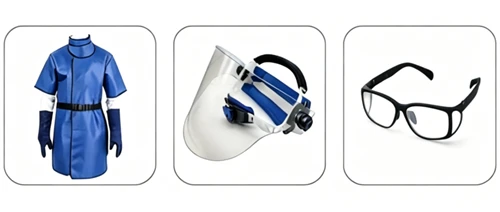
Is Radiation Damage Immediate? Understanding Latency PeriodsIn the field of radiation protection, one of the most common misconceptions is that the biological effects of X-ray exposure are always immediate. While high-dose incidents can cause acute symptoms...
Read More -
22
Jul
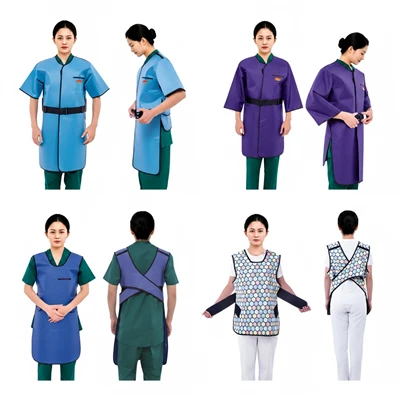
The Advantages Of Lead Protection: Why It's The Gold Standard in Radiation Sh...Despite the emergence of modern composite materials, lead (Pb) remains the undisputed champion of radiation protection in medical, industrial, and nuclear settings. Its enduring dominance is not du...
Read More -
31
Jul
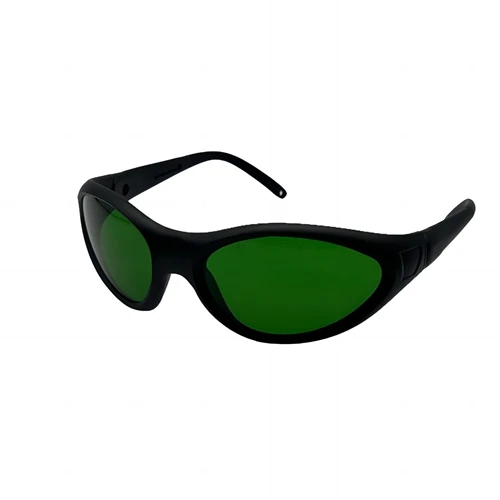
Certified Laser Safety Glasses See Rising Global Demand As Laser Applications...As laser applications continue expanding across manufacturing, healthcare, research, and semiconductor industries, certified laser safety glasses are becoming an essential part of workplace safety....
Read More -
28
Jul
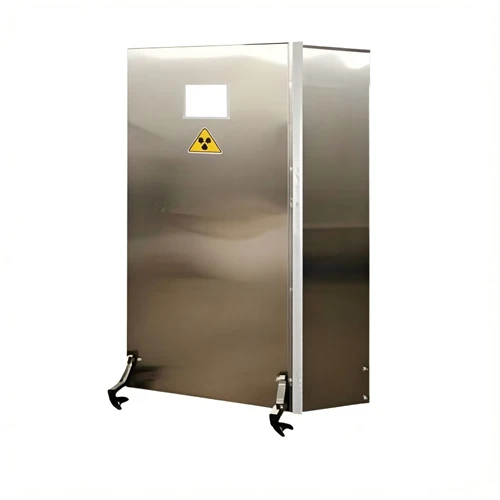
Lead Protective Barriers For Medical And Industrial Radiation SafetyLead protective barriers are essential radiation shielding equipment used in medical, industrial, and laboratory environments. Designed to reduce exposure to scattered X-rays and certain gamma-ray ...
Read More -
20
Jul
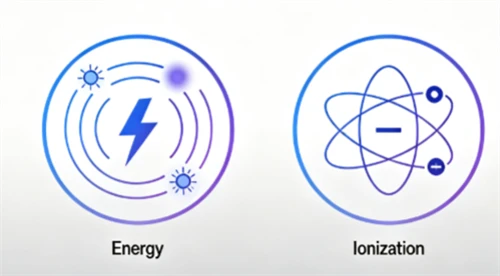
Ionizing Vs. Non-Ionizing Radiation: Health Risks ExplainedRadiation is a fundamental part of our universe, but not all radiation is created equal. To understand the true risks to human health—and whether protective gear like lead aprons will keep you safe...
Read More -

24
Jul
How Is Lead Glass Used In Medical Radiation Shielding?Medical lead glass is a lead oxide-infused transparent shielding material designed to block X-rays and gamma rays while maintaining high optical clarity. Widely applied in X-ray, CT, fluoroscopy, c...
Read More -
21
Jul
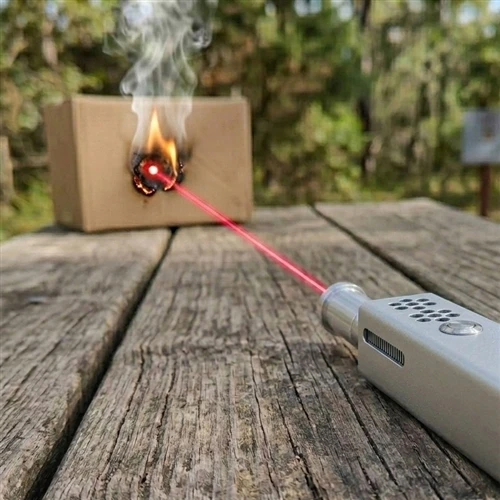
7 Key Advantages Of Laser Ignition in Combustion ResearchLaser ignition offers a precise, non-contact alternative to conventional spark plugs in combustion research. With flexible ignition positioning, high repeatability, and minimal interference with fl...
Read More -

15
Jul
Why Laser Safety Glasses Are Essential During Fiber Optic InstallationFiber optic networks are the backbone of modern high-speed communication, but the installation process involves hidden hazards that go beyond physical strain. One of the most critical questions tec...
Read More -

07
Jul
850nm Vs 940nm Infrared Lasers: Which Is Better For Night Vision Illumination?Compare 850nm and 940nm infrared lasers for night vision applications. Learn the differences in brightness, illumination distance, camera sensitivity, and how to choose the best infrared laser flas...
Read More -
13
Jul
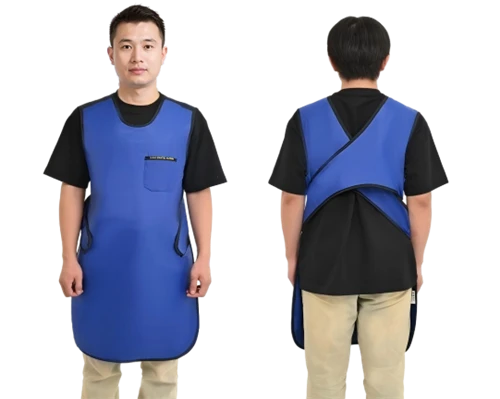
How To Test The Effectiveness Of Lead ApronsLead aprons are the frontline defense for healthcare professionals working in radiology and interventional medicine. However, their protective capabilities are not permanent. Over time, daily wear,...
Read More -

06
Jul
Laser Ignition Vs Traditional Ignition: Which Is Better For Outdoor Applicati...Compare laser ignition and traditional ignition methods for outdoor use. Learn how laser igniters provide fast, wind-resistant, and precise fire starting for camping, survival, and emergency applic...
Read More -

02
Jul
How To Extend The Lifespan Of Your Lead ApronsLead aprons are the core personal protective equipment for radiologists, interventional surgeons, and medical staff working in X-ray and fluoroscopy environments. As essential barriers against scat...
Read More