



Lead glass is widely used in hospitals and medical imaging centers to provide radiation protection while maintaining clear visibility.
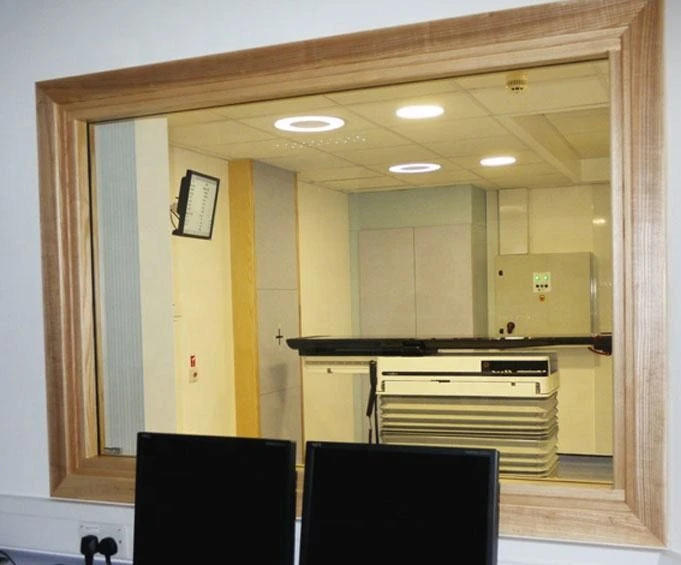
It is commonly installed in observation windows, control rooms and protective barriers, allowing doctors and radiographers to monitor patients without remaining inside the radiation area.

What Is Medical Lead Glass?
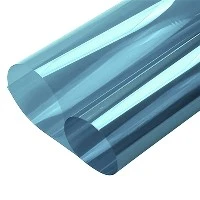
Medical lead glass is a radiation-shielding glass containing lead oxide (PbO). Its high density helps reduce the transmission of X-rays and gamma rays while keeping the glass transparent.
Unlike ordinary glass, it is designed for medical environments where both visibility and radiation protection are required.
Its main features include:
- X-ray and gamma-ray shielding
- Good transparency and low distortion
- Different lead-equivalence ratings
- Custom sizes and thicknesses
- Compatibility with lead-lined walls and doors
The required specification depends on the equipment, radiation energy and room shielding design.
Main Medical Applications
X-ray Rooms
Lead glass is commonly installed between an X-ray room and the control area. It allows radiographers to observe patients while remaining behind a protective barrier.
CT Rooms
CT equipment may have a higher workload than standard X-ray systems. Lead glass forms part of the shielding structure while providing a clear view of the patient during scanning.
Fluoroscopy and Cath Labs
Fluoroscopy uses continuous or repeated X-ray imaging. Lead glass observation windows and protective screens help staff monitor procedures while reducing occupational exposure.
Nuclear Medicine
In nuclear medicine departments, lead glass may be used in viewing panels and protective workstations where radioactive materials are handled.
Radiotherapy Facilities
Lead glass can also be installed in selected control and observation areas in radiotherapy departments. The specification must follow the facility's shielding design.
Why Is Lead Glass Used in Hospitals?
Solid lead shielding blocks radiation effectively, but it also blocks visibility.
Lead glass provides a transparent section within the shielding barrier, allowing medical staff to:
- Observe patients and equipment
- Maintain visual contact during procedures
- Respond quickly when assistance is needed
- Work from a protected control area
It is normally installed together with lead-lined walls, frames and doors to create continuous shielding.
Glass Thickness and Lead Equivalence
Glass thickness and lead equivalence are not the same.
Glass thickness is the actual physical thickness of the panel. Lead equivalence describes its shielding performance compared with a specified thickness of lead under defined test conditions.
The required lead equivalence should be based on the project's radiation-shielding calculations rather than glass thickness alone.
How to Choose Medical Lead Glass
Several factors should be considered:
Lead Equivalence
Confirm the required shielding rating according to the room design and medical equipment.
Equipment Type
X-ray, CT, fluoroscopy, nuclear medicine and radiotherapy systems may require different shielding specifications.
Window Size
Large panels are heavier and may need reinforced frames or additional support.
Optical Quality
The glass should provide clear visibility with limited distortion for reliable patient monitoring.
Installation
The glass, frame and lead-lined wall must overlap correctly to prevent unshielded gaps around the window.
Benefits of Medical Lead Glass
Medical lead glass provides:
- Transparent radiation protection
- Clear patient observation
- Improved safety for medical staff
- Compatibility with hospital shielding systems
- Custom dimensions and lead-equivalence options
- Long service life with proper installation
Conclusion
Lead glass is an important part of medical radiation protection systems. It is widely used in X-ray rooms, CT suites, fluoroscopy areas, cath labs, nuclear medicine departments and radiotherapy facilities.
When selecting medical lead glass, buyers should consider lead equivalence, equipment type, window dimensions, optical quality and installation requirements.
We supply standard and customized medical lead glass with different sizes, lead-equivalence ratings, edge-finishing options and technical documentation.
Contact our team with your application, dimensions and required shielding rating to discuss a suitable solution or request a quotation.