



Despite the emergence of modern composite materials, lead (Pb) remains the undisputed champion of radiation protection in medical, industrial, and nuclear settings. Its enduring dominance is not due to a lack of alternatives, but rather a unique combination of physical properties that make it exceptionally efficient, versatile, and cost-effective.
1. Unmatched Attenuation Efficiency
The primary advantage of lead lies in its atomic structure. With a high atomic number (82) and an incredibly high density (11.34 g/cm³), lead is a powerhouse at absorbing ionizing radiation.
Superior Shielding Power: When X-rays or gamma rays strike lead, the dense electron clouds interact with the radiation, effectively absorbing or scattering the energy through processes like the photoelectric effect and Compton scattering.
Space-Saving Protection: Because of its high density, lead provides superior attenuation in a much thinner profile compared to other materials. For instance, a few millimeters of lead can offer the same radiation protection as several centimeters of concrete or steel. This makes it ideal for environments where space is at a premium, such as hospital CT rooms or mobile X-ray units.

2. Exceptional Flexibility and Versatility
Unlike many other dense metals, lead is highly malleable and ductile. This physical trait allows it to be easily rolled, molded, and shaped into a wide variety of forms without losing its protective integrity.
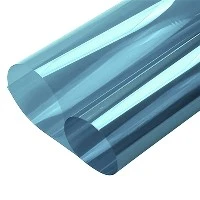
Customizable Forms: Lead can be manufactured into rigid sheets for wall lining, flexible sheets for lead aprons and thyroid collars, transparent sheets for lead glass observation windows, and even modular bricks for complex shielding structures.
Adaptability: Its flexibility allows it to be tailored to fit specific equipment contours or to be worn comfortably by healthcare professionals during long interventional procedures.

3. Cost-Effectiveness and Availability
While materials like tungsten or bismuth offer excellent shielding properties, they are significantly more expensive.
Affordable Protection: Lead is abundant and relatively inexpensive to mine and process. This makes large-scale radiation shielding projects-such as lining the walls of an entire radiology department-financially feasible.
Proven Track Record: Because it has been the industry standard for over a century, the supply chain for lead is well-established, and medical professionals are highly familiar with its handling and safety protocols.
|
|
|


4. Durability and Stability
Lead is a chemically stable metal that resists corrosion under normal conditions.
Long-Lasting Shielding: When properly encased in durable vinyl or fabric (as seen in lead aprons) or sealed within walls, lead does not degrade over time. A well-maintained lead shield will retain its protective properties for decades.
Reliability: Its stability ensures that the radiation attenuation levels remain consistent, providing a reliable safety barrier for both patients and staff.
Conclusion: The Enduring Legacy of Lead
While the industry continues to innovate with lighter, lead-free composites for personal protective equipment, lead remains the foundational material for radiation safety. Its unbeatable combination of high attenuation, physical flexibility, and economic feasibility ensures that it will continue to be the primary choice for protecting lives from the invisible risks of ionizing radiation for years to come.
SEO Meta Description