




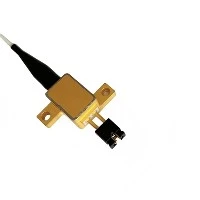
The world of laser technology is a compelling combination of innovation, precision, and potential hazards that demand respect and careful consideration. Near-infrared (NIR) lasers, with their invisible yet powerful beams, exemplify this dichotomy. 1064nm, 1070nm, and 1080nm, their diverse applications, associated hazards, and the imperative measures to ensure the safety of those who work with them. we can gain a deeper understanding of the significant impact NIR lasers have across various fields and the critical importance of prioritizing safety when harnessing their potential.
Near-Infrared (NIR) Lasers:
Near-infrared (NIR) lasers operate at wavelengths slightly longer than visible light, typically in the range of 700 nanometers (nm) to 1500 nm. NIR lasers have a wide range of applications in various fields such as telecommunications, materials processing, medical treatment, and scientific research.
Invisibility and Eye Hazards:
NIR lasers are considered invisible because their wavelengths fall outside the visible spectrum for humans. Although these lasers are invisible to the naked eye, they can still pose a significant hazard to human eyes and skin. The human eye is particularly sensitive to laser radiation, regardless of whether it is visible or not. When exposed to high-intensity NIR laser light, the eye may suffer thermal damage to the retina, leading to permanent vision loss or blindness.
Examples of NIR Laser Wavelengths:
1064nm: This wavelength is commonly used in industrial applications such as laser cutting, welding, and drilling. It is also utilized in medical procedures like dermatology and ophthalmology.
1070nm: These lasers are used for various medical applications, including tissue ablation, photocoagulation, and laser surgery.
1080nm: This wavelength is often employed in fiber optics communication systems, laser rangefinders, and spectroscopy.

Applications of NIR Lasers:
NIR lasers find diverse applications across different industries due to their unique properties. Some common uses include:
Telecommunications: NIR lasers are integral to fiber optic communication systems for transmitting data over long distances with minimal loss.
Material Processing: Industries like manufacturing, automotive, and aerospace utilize NIR lasers for cutting, welding, and marking various materials such as metals, plastics, and ceramics.
Medical Treatments: In the field of medicine, NIR lasers are employed for procedures like coagulation, surgery, dermatology, and even as a non-invasive diagnostic tool in imaging techniques.
Scientific Research: NIR lasers play a vital role in scientific research for applications such as spectroscopy, fluorescence imaging, microscopy, and analytical chemistry.
Laser Hazards and Safety Measures:
Eye Hazards: As mentioned earlier, NIR lasers can cause severe damage to the eyes if proper safety measures are not followed. This includes retinal burns, permanent vision loss, and even blindness.
Skin Hazards: NIR lasers can also pose a risk to the skin, causing burns or tissue damage upon direct exposure to high-intensity laser beams.
Reflections: Reflective surfaces can amplify NIR laser beams and increase the risk of accidental exposure. Proper precautions must be taken to prevent unintended reflection incidents.
Safety Eyewear: Wearing appropriate laser safety goggles that block the specific wavelength of the laser is crucial when working with NIR lasers. These goggles should comply with relevant safety standards and provide adequate protection for the eyes.
Controlled Environments: Operating NIR lasers in controlled environments with interlocks, warning signs, and designated safety zones can help minimize the risk of accidental exposure to laser radiation.
Training and Procedures: Proper training on laser safety protocols, including handling, maintenance, and emergency procedures, is essential for all personnel working with NIR lasers.

Conclusion:
In conclusion, while NIR lasers may be invisible to the naked eye, they still pose significant hazards to human eyes and skin. It is essential to understand the potential risks associated with NIR laser exposure and implement strict safety measures to ensure the well-being of individuals working with these lasers. By following proper safety protocols, utilizing appropriate protective gear, and maintaining a vigilant approach to laser safety, the potential dangers of NIR lasers can be effectively mitigated, allowing for safe and efficient utilization of this technology across various industries.