



Laser hair removal is a cosmetic procedure that aims to reduce or eliminate unwanted body hair by using concentrated light to target hair follicles. The principle behind laser hair removal is based on the concept of selective photothermolysis. This principle involves the use of a specific wavelength of light that is absorbed by the pigment in the hair follicle. When the light is absorbed, it is converted into heat, which damages the hair follicle and inhibits future hair growth without damaging the surrounding skin.
During the laser hair removal process, the practitioner uses a handheld device to deliver pulses of laser light to the treatment area. The pigment in the hair follicle, known as melanin, absorbs the light energy, leading to the destruction of the follicle. It is important to note that laser hair removal is most effective on individuals with light skin and dark hair, as the contrast between the skin and hair color allows for better targeting of the hair follicles.
The effectiveness of laser hair removal is influenced by factors such as the color and thickness of the hair, the area being treated, and the individual's skin type. Multiple sessions are typically required to achieve optimal results, as hair grows in cycles and the laser can only effectively target hair in the active growth phase.

Laser Wavelengths Used in Hair Removal
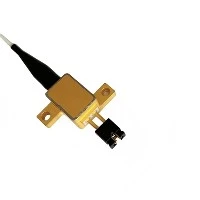
Different types of lasers are used for hair removal, with each targeting specific wavelengths of light to achieve optimal results. The most common types of lasers used for hair removal include diode lasers, alexandrite lasers, and Nd:YAG lasers.
Diode Lasers:
Diode lasers are known for their efficiency in removing unwanted hair. They emit wavelengths that are well-absorbed by melanin, making them effective for targeting hair follicles. Diode lasers are suitable for individuals with light to medium skin tones and coarse hair.
Alexandrite Lasers:
Alexandrite lasers emit a specific wavelength of light that is well-suited for targeting melanin in the hair follicles. These lasers are known for their fast treatment times and are effective for individuals with lighter skin tones.
Nd:YAG Lasers:
Nd:YAG lasers produce longer wavelengths of light that can penetrate deeper into the skin. They are particularly beneficial for individuals with darker skin tones, as they reduce the risk of damaging the surrounding skin while effectively targeting hair follicles.
Each type of laser has its unique characteristics and is selected based on the individual's skin type, hair color, and the area being treated. It is essential for practitioners to consider these factors when determining the most suitable laser for a particular client in order to achieve the best results while ensuring safety during the treatment.
Importance of Protective Personal Protective Equipment (PPE)
Personal protective equipment (PPE) plays a critical role in ensuring the safety of both the client and the practitioner during laser hair removal procedures. PPE is designed to minimize the risk of exposure to potentially harmful substances and protect against injuries related to the use of laser devices. In the context of laser hair removal, the following types of PPE are essential for maintaining a safe environment:
One of the most important aspects of PPE in laser hair removal is protective eyewear. Both the practitioner and the client must wear appropriate laser safety glasses during the procedure to prevent potential eye damage from the intense light emitted by the laser. The eyewear must be specifically designed to filter out the specific wavelengths of light used in the hair removal procedure.

Skin Protection:
Practitioners should wear long-sleeved clothing and gloves to protect their skin from accidental exposure to laser light. Additionally, the client's skin should be properly covered with appropriate clothing or draping to minimize the risk of unintended exposure during the procedure.
Smoke Evacuation Systems:
Laser hair removal procedures can produce smoke and plume as a byproduct of the treatment. To minimize the inhalation of these byproducts, practitioners should use smoke evacuation systems to maintain a clean and safe environment. These systems help remove the smoke and odor produced during the procedure, enhancing air quality within the treatment area.
Room Ventilation:
Adequate room ventilation is essential to ensure the dispersion of any plume or smoke created during the procedure. Proper ventilation helps maintain a comfortable and safe environment for both the practitioner and the client.
Operator Training and Certification:
One of the most crucial elements of PPE in laser hair removal is the training and certification of the practitioners themselves. Proper training ensures that practitioners understand the potential hazards associated with laser treatments and are adequately equipped to use the necessary protective measures to mitigate risks. Laser hair removal practitioners should undergo comprehensive training on laser safety, proper use of PPE, and emergency protocols to ensure the highest level of safety for themselves and their clients.
Fire Safety Measures:
Laser hair removal procedures involve the use of concentrated light energy, which can pose a fire risk if not properly managed. Practitioners should be trained in fire safety protocols and have fire extinguishers readily available in the treatment area to address any potential fires that may arise during the procedure.
Pre-Treatment Consultation:
Before initiating any laser hair removal treatment, practitioners should conduct a thorough consultation with the client to assess their medical history, skin type, and any potential contraindications. This consultation helps identify any factors that may increase the risk of adverse effects during the procedure and allows for personalized treatment planning to ensure safety and efficacy.
Post-Treatment Care and Monitoring:
Following a laser hair removal procedure, practitioners should provide clients with detailed post-treatment care instructions to promote proper healing and minimize the risk of complications. Clients should be advised on skincare routines, sun protection practices, and any potential side effects to watch for. Additionally, practitioners should schedule follow-up appointments to monitor the client's progress and address any concerns that may arise.
Compliance with Regulatory Guidelines:
Practitioners performing laser hair removal procedures must adhere to regulatory guidelines and standards established by local health authorities and professional organizations. Compliance with these standards helps ensure the safe and ethical practice of laser hair removal and protects both clients and practitioners from potential risks and liabilities.
Regular Maintenance of Laser Equipment:
To maintain a safe working environment, practitioners should ensure that laser equipment is regularly serviced and maintained according to manufacturer guidelines. Routine maintenance helps prevent malfunctions and ensures the proper functioning of the laser device during procedures, reducing the likelihood of safety incidents.
In summary, protective personal protective equipment is a crucial component of ensuring the safety and efficacy of laser hair removal procedures. By implementing appropriate PPE measures, practitioners can minimize the risk of adverse effects, protect against potential hazards, and create a safe treatment environment for both themselves and their clients. Additionally, adherence to best practices, ongoing training, and compliance with regulatory guidelines contribute to the overall quality and safety of laser hair removal treatments.