




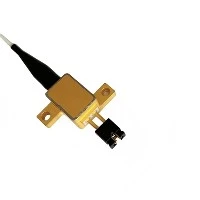
Laser welding is an advanced and efficient manufacturing process that uses a concentrated beam of light to join materials, primarily metals. As effective as this technology is, it poses significant safety risks that, if not managed appropriately, can result in serious injury or damage. This news aims to outline the essential safety measures needed to ensure protection for users and bystanders during laser welding operations.
Understanding Laser Welding and Its Hazards
1. Principles of Laser Welding
Laser welding uses the heat generated by a concentrated laser beam to melt materials at their joining point, creating a precise and strong weld. The process is widely used in industries such as automotive, aerospace, and electronics due to its speed and precision.
2. Common Hazards
Laser Radiation: The laser's penetrating power poses significant dangers to the skin and eyes. Exposure can cause serious injuries, including burns and eye damage.
Electrical Hazards: The high-energy equipment used in laser welding presents electrical risks.
Fumes and Emissions: The process can produce harmful fumes and nanoparticles, posing respiratory hazards.
Fire and Explosion Risks: Sparks and high temperatures in welding environments increase fire risks, necessitating rigorous safety precautions.
Mechanical and Noise Hazards: Operators may be exposed to noise from machinery, leading to potential hearing loss.

Personal Protective Equipment (PPE)
1. Eye Protection
Lasers used in welding emit radiation that can damage eye tissues instantly. Operators must always wear safety goggles or face shields with lenses designed to block specific wavelengths of the laser being used. The optical density of these goggles is crucial and must match the laser's power and type.
2. Protective Clothing
Flame-resistant clothing is essential to protect skin from sparks and heat. Fabrics should be non-synthetic to avoid melting, which can cause severe burns. Full-length sleeves and pants, along with sturdy, closed-toe shoes, further bolster protection.
3. Gloves and Respiratory Gear
Heat-resistant gloves are required to handle equipment and materials safely. Respirators or masks rated for welding fumes can protect against inhalation of harmful particles and gases, particularly when adequate ventilation is unavailable.
4. Best Practices for PPE
PPE should always be worn during welding operations, with supervisors ensuring compliance.
Regular inspection for wear and damage is essential to maintain effectiveness.
Proper training on the use and limitations of PPE enhances safety.

Engineering Controls
1. Laser Enclosures and Barriers
The most effective method to protect personnel from laser exposure is using enclosures that totally contain the laser. These barriers should be made of materials that absorb and reflect laser radiation, and they should be designed to prevent any beam escape.
2. Interlock Systems
Interlock systems are critical in preventing accidental exposure by shutting down the laser when safety parameters are breached. These systems need regular testing and maintenance to ensure they function correctly.
3. Ventilation and Fume Extraction
Ventilation systems, especially those providing local exhaust (LEV), are necessary to manage and control the release of harmful fumes and particulate matter. Proper design should focus on removing contaminants at their source.
4. Fire Safety Measures
Conduct regular risk assessments to identify potential fire hazards within the workspace. Implement non-flammable curtain barriers and establish a protocol for handling flammable materials near the laser welding area.
Administrative Controls
1. Training and Certification
Comprehensive training programs are vital and should cover the safe operation of laser equipment, potential hazards, and emergency responses. Certification ensures that operators have understood and can implement safety protocols effectively.
2. Warning Signage and Documentation
Clear warning signs must be posted around areas where laser welding is performed. These should communicate the nature of the hazards and required precautions. Additionally, maintaining detailed documentation of safety protocols and incidents aids in compliance and continuous improvement.
3. Developing and Enforcing SOPs
Standard Operating Procedures must be established, detailing every aspect of welding operations. Employees should be familiar with these SOPs to ensure consistent adherence to safety measures.
4. Restricting Access
To minimize risk, access to laser welding areas should be limited to authorized personnel only. Implementing electronic access controls can effectively manage and enforce these restrictions.
Emergency Preparedness
1. Emergency Plans and Drills
Develop comprehensive emergency plans that address all possible scenarios, from exposure to fires. Conduct regular drills to ensure that all staff are familiar with evacuation routes and emergency procedures.
2. First Aid Procedures
Maintaining well-stocked first aid kits in the vicinity of the welding area is crucial. These kits should contain supplies specifically for treating burns and injuries related to laser exposure. Regular checks should ensure supplies are complete and within their use-by dates. Staff trained in first aid can provide immediate assistance, reducing the severity of injuries before professional medical help arrives.
3. Incident Response and Reporting
A well-structured incident response plan is essential for managing accidents. Immediate steps should include securing the area to prevent additional injuries, providing first aid, and notifying emergency services if necessary. Following an incident, a detailed report should be compiled and analyzed to understand what occurred and to prevent future occurrences. Regular reviews of incident trends can inform updates to safety protocols and training programs.
Equipment Maintenance and Monitoring
1. Regular Equipment Inspections
Laser welding equipment must undergo routine inspections to ensure all components operate safely and effectively. Check for signs of wear and tear, alignment issues in optical components, and the integrity of electrical connections. Regular inspections can prevent accidents caused by equipment malfunction.
2. Calibration and Safety Features
Regular calibration of safety features is essential. This includes ensuring that all optical components are focused correctly and demonstrate the correct power outputs. Protective enclosures and interlocks must be tested periodically to verify their effectiveness in preventing accidental exposure.
3. Monitoring Devices and Systems
Advanced monitoring systems can provide real-time data on environmental conditions and equipment status. Automated alarms can alert operators to potential hazards such as overheating, power surges, or gas build-up, enabling immediate corrective action.

Regulatory Compliance
1. Understanding Relevant Standards
Compliance with national and international safety standards is non-negotiable. Organizations such as OSHA (Occupational Safety and Health Administration), ANSI (American National Standards Institute), and IEC (International Electrotechnical Commission) provide guidelines for laser safety. Understanding these regulations helps protect workers' health and ensures legal adherence.
2. Documentation and Record-Keeping
Keeping detailed records of training sessions, equipment maintenance, safety inspections, and incidents is crucial. These records support compliance audits and provide valuable data for continuous improvement in safety practices. Regularly updating documentation ensures alignment with the latest safety standards and technological advancements.
Conclusion
Summary of Key Points
Laser welding combines advanced technology's precision with significant safety risks. By implementing comprehensive safety protocols addressing personal protection, engineering controls, administrative measures, emergency preparedness, and equipment maintenance, the risks associated with laser welding can be effectively managed.
Continuous Improvement
Safety in the workplace is dynamic, requiring ongoing attention and adjustment. Regularly review and update safety protocols to incorporate new technologies and respond to any changes in regulations or operational environments.
Final Thoughts
Commitment to safety is a collective responsibility impacting every individual involved in laser welding operations, from managers and operators to support staff. By embedding safety practices into the organization's culture, companies can protect their employees and enhance their operational efficiency and reputation.
Appendices
Glossary of Terms: Definitions of key concepts and terminology used in laser welding and safety practices.
Safety Checklist: A detailed checklist for daily safety inspections in laser welding environments.
Additional Resources: References to further reading materials, safety equipment suppliers, and relevant organizations for up-to-date guidelines and assistance.