



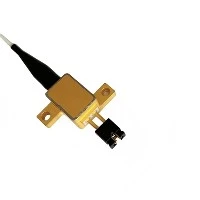
The advent of lasers has revolutionized various fields, from medical to industrial applications. Among the different types of lasers available, red lasers have gained significant popularity due to their unique properties and versatility. This news aims to delve into the world of red lasers, exploring their applications, safety measures, and the data that underpins their usage.
What is a Red Laser?
A red laser is a type of laser that emits light at the red end of the visible spectrum, typically around 635-670 nanometers (nm). This wavelength is chosen for its excellent visibility, allowing the laser beam to be seen clearly in ambient light conditions. Red lasers are commonly used in a variety of applications due to their stability, low cost, and ease of use.

Applications of Red Lasers
1. Education and Presentation
Red lasers are widely used in educational settings for presentations and visual aids. They are an effective tool for highlighting points on slides or whiteboards, making complex concepts more accessible to students. Additionally, red lasers are often used in science experiments to demonstrate principles such as diffraction and reflection.
2. Industrial and Manufacturing
In the industrial sector, red lasers play a crucial role in precision measurement and alignment tasks. They are used to measure distances, align machinery parts, and guide cutting tools with high accuracy. The ability of red lasers to maintain a stable beam over long distances makes them ideal for these applications.
3. Medical and Dental
Red lasers have found numerous applications in the medical and dental fields. In dermatology, they are used for procedures like hair removal and tattoo removal. In dentistry, red lasers are used for soft tissue procedures, such as gingivectomy and frenectomy, due to their ability to minimize bleeding and promote faster healing.
4. Consumer Electronics
Red lasers are also commonly found in consumer electronics, such as barcode scanners, CD/DVD players, and laser pointers. These devices utilize red lasers to read and write data, ensuring fast and accurate data transfer.
5. Security and Surveillance
The security industry has embraced red lasers for various applications, including perimeter security systems, intruder detection, and access control. Red lasers can be used to create invisible barriers that trigger an alarm if crossed, providing a high level of security for sensitive areas.
6. Hobby and Entertainment
For hobbyists and entertainment purposes, red lasers are used in laser shows, light painting, and even as toys. However, it is important to note that these applications require strict adherence to safety guidelines to prevent accidents and injuries.

Data and Usages
1. Laser Power and Safety Class
The power of a red laser is typically measured in milliwatts (mW). The higher the power, the more intense the beam and the greater the potential risk of eye damage. Red lasers are classified based on their power and potential hazards into different safety classes, ranging from Class I (lowest risk) to Class IV (highest risk). It is essential to understand the safety class of a red laser before using it to ensure proper handling and protection measures are in place.
2. Beam Distance and Visibility
The visibility of a red laser beam depends on several factors, including the wavelength, power, and ambient lighting conditions. Generally, red lasers with higher power have a longer visible range. However, it is important to note that the beam becomes less visible as the distance increases. Understanding the beam distance and visibility characteristics of a red laser is crucial for its effective use in various applications.
3. Laser Safety Regulations
To ensure the safe use of red lasers, various regulations and standards have been established by organizations such as the International Electrotechnical Commission (IEC) and the American National Standards Institute (ANSI). These regulations outline safety requirements for laser manufacturers, users, and installers, including guidelines for labeling, handling, and storage of lasers. Adhering to these regulations is essential to minimize the risks associated with red laser usage.
Safety Considerations
1. Eye Protection
The most significant risk associated with red lasers is eye damage. Even brief exposure to a high-powered red laser beam can cause permanent vision loss. Therefore, it is crucial to wear appropriate eye protection, such as laser safety glasses or goggles, when working with red lasers. These glasses are designed to block specific wavelengths of light, protecting the eyes from potential damage.

2. Skin Protection
While the risk of skin damage from red lasers is lower compared to eye damage, prolonged exposure to high-powered beams can still cause burns or other skin injuries. It is advisable to wear protective clothing and gloves when handling red lasers to minimize the risk of skin exposure.
3. Proper Handling and Storage
Red lasers should be handled with care to prevent accidental discharge or damage to the device. It is essential to store lasers in a secure location, away from children and pets, and ensure that they are not exposed to extreme temperatures or humidity levels.
4. Awareness and Training
Users of red lasers should receive proper training on their safe use and handling. This includes understanding the risks associated with laser usage, knowing how to operate the device safely, and being familiar with emergency procedures in case of an accident.
5. Compliance with Regulations
As mentioned earlier, adherence to laser safety regulations is crucial for ensuring the safe use of red lasers. Manufacturers, users, and installers must comply with these regulations to minimize the risks associated with laser usage.
Conclusion
Red lasers, as a versatile and powerful technology, have broad application prospects across various sectors including education, industrial manufacturing, healthcare, and entertainment. Their widespread use necessitates a strong focus on safety. To ensure safe operation, users must understand potential risks and implement appropriate safeguards, such as wearing protective eyewear, handling equipment carefully, and following established safety protocols. Continuous attention to technological advancements and updated safety standards is also crucial for adapting to new challenges and ensuring the ongoing development and safe application of red laser technology. By prioritizing safety and adhering to best practices, we can fully leverage the benefits of red lasers and drive innovation and progress in society.