



In the realm of modern manufacturing and materials processing, the integration of advanced technologies has led to remarkable advancements in efficiency and precision. One such technology is the 3 in 1 2000W 1064nm Laser welding machine, a device that combines cleaning, welding, and surface treatment capabilities, streamlining operations, and elevating productivity.As we explore the intricacies of this cutting-edge equipment, the paramount importance of laser safety becomes evident.
Laser Welding Machine Structure:
The 3 in 1 2000W 1064nm Laser welding machine is a high-tech device designed to combine cleaning, welding, and surface treatment processes. Its sophisticated structure includes the following core components:
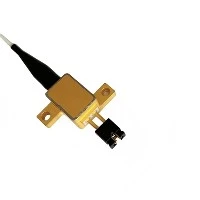
1. Laser Source: A powerful and stable 1064nm laser that serves as the energy source for welding operations, capable of delivering consistent power up to 2000W.
2. Welding Head: A precision-engineered component that focuses and directs the laser beam onto the workpiece with extreme accuracy.
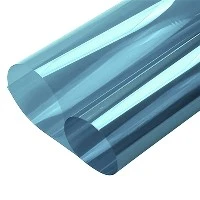
3. Laser Protective Lens: An essential accessory that shields the welding head optics from spatter, debris, and harmful radiation while maintaining beam quality.
4. Control System: A user-friendly interface that allows operators to adjust parameters such as power, speed, and focus for optimal welding results.
5. Cooling System: A critical subsystem that prevents overheating of the laser source and welding head, ensuring continuous operation and longevity.

Effective use of the 3 in 1 2000W 1064nm Laser welding machine requires an understanding of its key parameters:
1. Laser Power: Adjustable up to 2000W, this determines the depth and speed of weld penetration.
2. Welding Speed: Can be modified based on material type and thickness, affecting heat input and weld quality.
3. Focus Position: Dictates the focal point where the laser beam converges, crucial for achieving the desired weld profile.
4. Pulse Width: Controls the duration of each laser pulse, which influences thermal input and weld formation.
The Importance of Laser Protective Lens:
The laser protective lens plays a vital role in safeguarding both the equipment and personnel. Its importance lies in:
1. Radiation Protection: It blocks harmful UV and IR radiation, protecting operators' eyes and skin from laser-induced injuries.
2. Debris Protection: It shields the welding head from spatter and debris that could compromise performance and reduce service life.
3. Beam Quality: It maintains the laser beam's integrity, preventing distortion that could lead to inconsistent welds.

How to Select Laser Protective Lens:
Choosing an appropriate laser protective lens involves several considerations specific to the 3 in 1 2000W 1064nm Laser welding machine:
1. Wavelength Compatibility: Ensure the lens is optimized for 1064nm wavelength to guarantee maximum transmittance and protection.
2. Damage Threshold: Select a lens with a high damage threshold to withstand the high-power laser without damage.
3. Absorption Coefficient: Choose a material with low absorption to minimize thermal effects and prolong the lens's lifespan.
4. Geometry and Size: Select a lens that fits the welding head properly and provides adequate protection without obstructing the welding process.
5. Coating: Prioritize lenses with anti-reflective coatings to enhance transmittance and reduce optical losses.
6. Replacement and Maintenance: Prefer lenses that are easy to replace and maintain, ensuring consistent performance and safety.
Recommendations for Laser Safety Glasses:
In addition to the laser protective lens, operators should wear specialized laser safety glasses to protect their eyes from exposure to laser radiation

Conclusion:
Selecting the right laser protective lens and safety glasses is crucial for optimizing performance and ensuring the safety of operators using a 3 in 1 2000W 1064nm Laser welding machine. By carefully considering factors such as wavelength compatibility, damage threshold, absorption coefficient, geometry, coating, and ease of maintenance, users can protect their equipment and personnel while achieving precise and high-quality welds. Proper maintenance and timely replacement of lenses and glasses will help maintain the welding machine's efficiency and extend its lifespan, while also preserving the health and well-being of operators.