Products overview
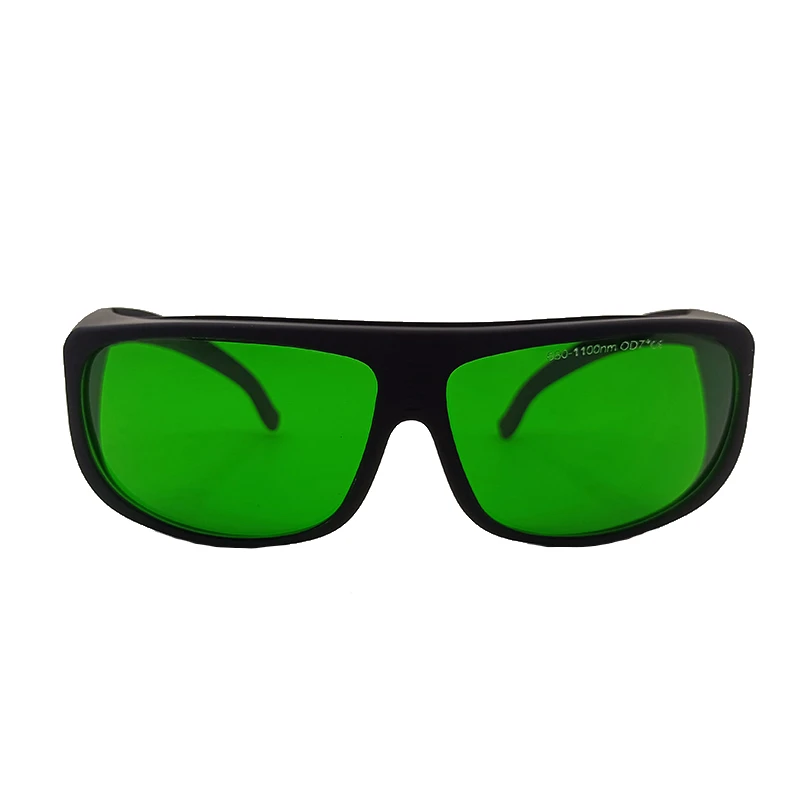
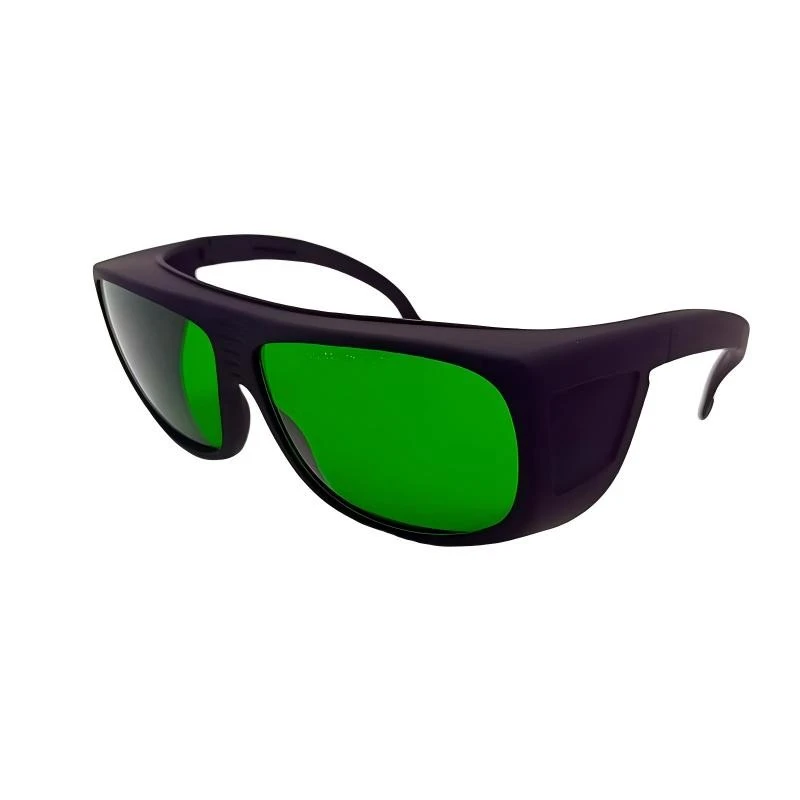
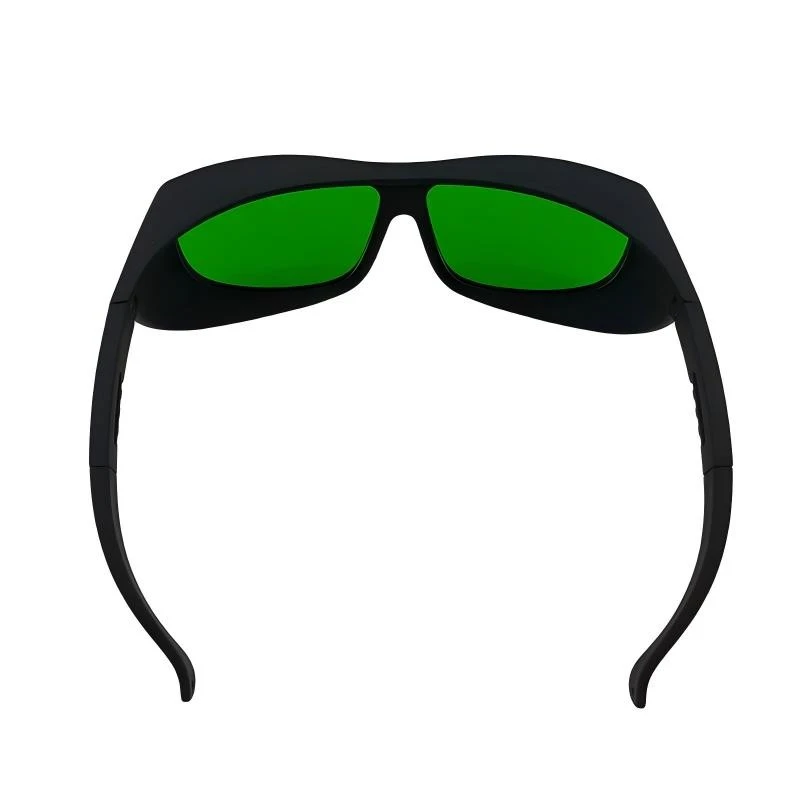
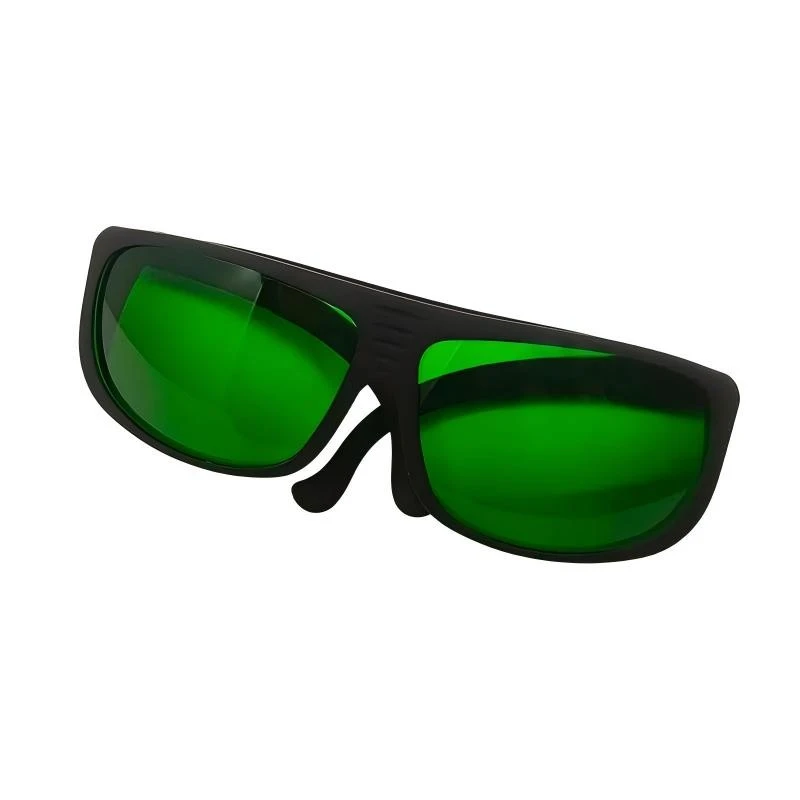
680–1100nm OD7+ Professional Laser Protective Eyewear
Designed for professional laser work, these 680–1100nm laser safety glasses combine OD7+ laser protection with practical eyewear coverage, 20% visible light transmission and an acrylic filter lens for use around compatible near-infrared laser systems.
The protective eyewear covers key wavelengths including 755nm Alexandrite, 808nm diode and 1064nm Nd, making it a professional laser eyewear option for operators, technical personnel, laboratories and other controlled laser environments where the specified protection level is appropriate.
Professional Laser Protection
680–1100nm wavelength coverage with OD7+ protection for compatible near-infrared laser systems, including key wavelengths at 755nm, 808nm and 1064nm.
Protective Eyewear Coverage
Designed as professional laser protective eyewear for working around compatible laser equipment, with a protective lens and frame configuration intended to provide practical coverage during laser operation.
Practical Working Visibility
20% Visible Light Transmission (VLT) provides visible-light transmission through the protective filter while maintaining the specified laser protection characteristics.
Acrylic Filter Lens
The acrylic laser safety lens integrates the protective filter into a lightweight eyewear format for professional laser work and routine handling.
Designed for Professional Laser Work
680–1100nm OD7+ laser safety glasses are designed for professional environments where laser systems are routinely operated, tested, maintained, or integrated. The eyewear provides a defined wavelength and optical-density specification for qualified laser operators, laboratory personnel, engineers, and technical teams working with compatible laser systems.
Laser Operators
For professional operators, laser safety eyewear can be incorporated into routine laser operation, equipment setup, controlled maintenance, and other procedures where appropriate eye protection is required. Selection should be based on the actual laser wavelength and operating conditions-not the OD rating alone.
Laboratories & R&D
In research and laboratory environments, personnel may work with different laser configurations during development, testing, and measurement. The 680–1100nm OD7+ protection configuration can support laser safety planning for compatible systems when its wavelength and optical-density specifications match the identified laser hazard.
Technical & Service Teams
Installation, inspection, troubleshooting, calibration, and maintenance can place engineers and service personnel in controlled laser environments. Professional laser protective eyewear can form part of the required PPE strategy when working around compatible laser systems and should be selected according to the equipment's wavelength, output characteristics, and established laser safety procedures.
Built for Professional Laser Safety Programs
Rather than positioning this product around one specific aesthetic procedure, this 680–1100nm laser safety glasses configuration is intended for broader professional laser work, including operation, laboratory research, equipment testing, system integration, and technical service. It should be used as part of a comprehensive laser safety program, alongside appropriate engineering and administrative controls.

Acrylic Laser Filter
Acrylic Laser Filter for 680–1100nm OD7+ Protection
The 680–1100nm laser safety glasses use an acrylic-based optical filter designed to provide high optical density within the specified laser protection range. Unlike ordinary protective eyewear, the lens functions as a purpose-built laser filter, with its optical characteristics defined by wavelength coverage, optical density, and visible light transmission (VLT).
For professional laser environments, these parameters should be evaluated together. The OD7+ laser filter is designed for the specified 680–1100nm range, while the 20% VLT specification provides a defined level of visible-light transmission for users working around compatible laser equipment.
Acrylic Optical Filter Construction
The acrylic lens is formed as an optical filtering component rather than simply a transparent protective lens. Its primary function is to control the transmission of specified laser wavelengths while maintaining usable visual transmission through the eyewear.
For this 680–1100nm OD7+ laser safety eyewear, the acrylic filter construction is specified around four key optical characteristics:
Protection wavelength: 680–1100nm
Optical density: OD7+
Visible light transmission: 20% VLT
Filter material: Acrylic
This specification-driven approach allows buyers to evaluate the eyewear according to the requirements of their laser system rather than relying only on general descriptions such as "professional" or "high protection."
How the Acrylic Laser Filter Works
The acrylic filter is engineered to attenuate laser radiation within its specified protection range while allowing a controlled portion of visible light to pass through.
For laser safety applications, optical density and wavelength coverage are more important than lens darkness alone. A darker-looking lens does not automatically provide a higher level of laser protection.
The OD7+ rating and the 680–1100nm protection range therefore form the primary optical specifications for evaluating this laser filter. VLT is a separate parameter that describes the amount of visible light transmitted through the lens.
OD7+ should always be evaluated together with the actual laser wavelength and operating conditions when selecting laser protective eyewear.
20% VLT for Controlled Visual Transmission
With a specified 20% visible light transmission (VLT), the acrylic laser filter allows a controlled amount of visible light to reach the user's eyes while maintaining the intended filtering characteristics.
VLT should not be confused with optical density:
| Optical specification | What it describes |
|---|---|
| 680–1100nm | Laser wavelength protection range |
| OD7+ | Optical density / attenuation level |
| 20% VLT | Visible light transmission |
| Acrylic | Optical filter material |
This distinction is particularly important when purchasing laser safety glasses for professional use, because wavelength coverage, OD, and visual transmission address different aspects of eyewear performance.
Why Acrylic for Professional Laser Safety Eyewear?
The acrylic filter construction provides a practical platform for producing wavelength-specific laser protective eyewear in configurations designed for professional laser applications.
For B2B buyers, the value of the acrylic laser filter is not simply its material name. The more important consideration is the complete optical specification of the finished eyewear:
Acrylic filter + 680–1100nm protection range + OD7+ + 20% VLT
This configuration gives equipment manufacturers, laboratories, laser operators, and professional users a defined specification to review against their laser system and workplace laser safety requirements.
680–1100nm Professional Protection
680–1100nm Professional Laser Protection
The 680–1100nm OD7+ laser safety glasses provide a broad protection configuration for professional laser systems operating within the specified wavelength range. This range includes several commonly used laser wavelengths, including 755nm, 808nm, and 1064nm, making the eyewear suitable for compatible multi-wavelength laser environments.
Rather than being limited to a single laser wavelength, this 680–1100nm laser protective eyewear is designed for professional users who require a defined protection range when working with compatible aesthetic, medical, laboratory, or technical laser systems.
Protection Across Key Laser Wavelengths
755nm - Commonly associated with Alexandrite laser systems and selected aesthetic laser equipment.
808nm - Frequently used in diode laser systems and professional laser equipment.
1064nm - Widely used in Nd:YAG and other near-infrared laser systems.
With OD7+ protection across the specified 680–1100nm range, the eyewear can be considered for compatible systems operating at these wavelengths. Final eyewear selection should always be based on the actual laser wavelength, output characteristics, operating mode, and applicable laser safety requirements.
One Eyewear Configuration for Multi-Wavelength Environments
For laboratories, clinics, equipment manufacturers, and technical teams working with multiple compatible laser wavelengths, a broad-range laser safety glasses configuration can simplify PPE selection and inventory management.
The 680–1100nm protection range covers 755nm, 808nm, and 1064nm within its specified spectrum, providing a practical option for professional environments where different laser systems may be used across the same workspace.
Protection Highlights
- 680–1100nm Wavelength Coverage – Developed for compatible red and near-infrared laser systems.
- OD7+ Attenuation Level – Provides high optical density across the specified protection range.
- 20% VLT – Reduces intense light while retaining practical visibility for equipment setup and operation.
- Multi-Laser Compatibility – Suitable for applications involving 755nm Alexandrite, 808nm diode, and 1064nm Nd:YAG lasers.
- Acrylic Lenses – Designed for professional laser treatment and equipment environments.
- CE Certified – Meets the stated certification requirements for the product.
- Versatile Professional Use – Ideal for aesthetic clinics, laser treatment centers, laboratories, and technical workplaces.
Professional Work Environments
Professional Laser Safety for Laboratory and Technical Workspaces
The 680–1100nm OD7+ laser safety glasses are designed for professional environments where compatible laser systems are operated, tested, maintained, or evaluated as part of routine technical work. The eyewear can be incorporated into established laser safety procedures for laboratories, technical workspaces, and controlled equipment-operation areas where appropriate wavelength-specific eye protection is required.
Rather than limiting the product to one specific laser application, this professional laser protective eyewear is intended for working environments where laser hazards need to be considered as part of daily equipment operation and technical activities.
Laboratory & R&D Environments
In laser laboratories and research facilities, personnel may work around laser sources during equipment development, testing, measurement, alignment-related procedures, or system evaluation.
Laser safety eyewear can form part of the laboratory's personal protective equipment (PPE) strategy when the eyewear specifications correspond to the identified laser hazard. For professional laboratory use, wavelength, optical density, laser operating conditions, and the site's laser hazard assessment should be considered together when selecting protective eyewear.
Technical Workspaces
Laser equipment manufacturers, system integrators, service engineers, and technical teams may encounter laser hazards during installation, inspection, troubleshooting, calibration, or maintenance.
In these environments, professional laser safety glasses provide a defined optical-protection configuration that can be incorporated into established workplace safety procedures. The 680–1100nm OD7+ specification should be checked against the actual laser system and applicable safety requirements before use.
Laser Equipment Operation
For operators working with compatible laser equipment, the eyewear can be used as part of a broader laser safety program during controlled equipment operation and related technical procedures.
The appropriate level of protection depends on the actual laser parameters and exposure conditions. Laser protective eyewear should complement-not replace-engineering controls, beam enclosures, interlocks, administrative controls, and other applicable laser safety measures.
Suitable for Professional Laser Workflows
| Working environment | Typical activities | Eyewear consideration |
|---|---|---|
| Laser Laboratory | R&D, testing, measurement | Match wavelength and OD to the identified hazard |
| Technical Workspace | Installation, service, maintenance | Follow site-specific laser safety procedures |
| Equipment Operation | Controlled laser operation | Use compatible wavelength-specific PPE |
| System Integration | Equipment setup and evaluation | Verify protection requirements before use |

Inspection, Cleaning, Storage & OEM Support
Inspection, Cleaning, Storage & Replacement Guidance
For professional users, laser safety glasses should be treated as part of the site's laser safety equipment-not as a disposable accessory. Regular inspection, appropriate cleaning, proper storage, and timely replacement help maintain the condition and usability of the eyewear throughout its service life.
For laboratories, technical teams, equipment operators, and B2B buyers managing multiple users, establishing a simple laser safety eyewear maintenance routine can also help standardize PPE management across the workplace.
1. Daily Inspection Before Use
Before each use, inspect the laser safety glasses for visible damage or changes that could affect their intended use.
Check the:
- Acrylic laser filter for cracks, chips, deep scratches, or deformation
- Lens surface for contamination or damage
- Frame and temples for cracks or loose components
- Markings for legibility, including the specified wavelength and OD information
- Overall fit and physical condition
Do not use eyewear that is visibly damaged or whose identification markings can no longer be verified.
For organizations with multiple operators, a simple pre-use inspection procedure can be incorporated into the site's laser safety program.
2. Cleaning the Acrylic Laser Filter
The acrylic filter should be kept clean so that dirt, dust, fingerprints, or other contaminants do not unnecessarily interfere with the user's view through the eyewear.
For routine laser safety glasses cleaning:
Remove loose dust or particles before wiping the lens.
Use a suitable lens-cleaning solution and a clean, soft optical cloth.
Clean the acrylic laser filter gently without applying excessive pressure.
Allow the lens to dry or follow the cleaning-product instructions before use.
Avoid abrasive materials, aggressive solvents, or cleaning methods that may damage the acrylic surface.
Cleaning is intended to maintain the physical condition and visual usability of the eyewear; it does not restore a damaged laser filter.
3. Proper Storage Between Uses
When not in use, store the laser protective eyewear in a clean, dry location where the lenses are protected from unnecessary contact with tools, equipment, chemicals, and other objects.
For professional and laboratory environments, recommended storage practices include:
- Keep the eyewear in a protective case or designated storage location.
- Avoid placing the optical filter face-down on a workbench.
- Keep the eyewear away from excessive heat and unsuitable chemical exposure.
- Prevent unnecessary bending or mechanical stress on the frame.
- Store eyewear separately from equipment or objects that could scratch the filter.
Proper laser safety eyewear storage is particularly important when multiple operators share PPE or when eyewear is used across different technical workstations.
4. When Should Laser Safety Glasses Be Replaced?
Replacement should be considered when the eyewear has suffered damage, significant deterioration, or any condition that makes its intended protective specification uncertain.
Typical replacement triggers include:
- Cracked or damaged acrylic filter
- Severe or deep scratches affecting the viewing area
- Deformed or damaged frame
- Loose or broken components
- Unreadable wavelength / OD markings
- Exposure to conditions that may have compromised the filter or frame
Any situation where the condition or protection performance of the eyewear can no longer be confidently verified
For professional laser facilities, replacement should follow the organization's documented laser safety procedures and the manufacturer's applicable recommendations.
OEM & Replacement Support
OEM Laser Safety Glasses for Professional Procurement
For distributors, laser equipment manufacturers, clinics, laboratories, and other B2B buyers, Loshield can support OEM laser safety glasses requirements based on the intended product configuration.
OEM discussions can cover areas such as:
- Product configuration
- Lens/filter specifications
- Wavelength and OD requirements
- Frame configuration
- Product marking
- Logo customization
- Packaging
- Bulk procurement
- Replacement orders
For repeat purchasing, maintaining a consistent product specification can help organizations simplify laser safety eyewear procurement and replacement management across different teams or locations.
Need Replacement or OEM Quantities?
If you are purchasing 680–1100nm OD7+ laser safety glasses for a laboratory, technical team, equipment manufacturer, distributor, or multi-user workplace, send us your required quantity and product specifications.
Request OEM / Bulk Supply Information →
Hot Tags: 680–1100nm laser safety glasses | od7+ professional laser protective eyewear, China, manufacturers, suppliers, factory, customized, wholesale, best, cheap, professional, for sale, near me, 1064nm Laser Safety Glasses, Infrared Protection Goggles, IPL Hair Removal Safety Glasses, Laser Safety Glasses 450nm, ND YAG Laser Goggles, Safety Glasses For Green Laser