


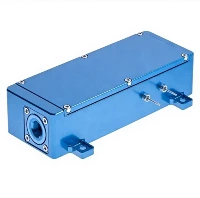
In the dynamic realm of laser technology, precision and versatility are paramount. The 450nm 3-watt Diode Pumped Solid State (DPSS) laser module stands at the forefront of this requirement, epitomizing the advancements in modern laser engineering. With its capability to deliver a focused blue light output at a stable power of 3 watts, it has become an essential tool across various industries. From the intricate details of metal marking and engraving to the precise applications in medical procedures and scientific research, the 450nm 3w DPSS laser module is paving the way for new standards in material processing and analysis. But behind its undeniable capabilities lies a critical consideration - laser safety. As we delve into the working principle, application scenarios, industry usage, and potential mishaps during improper use, one question remains paramount: Why can't laser safety be overlooked when operating a 450nm 3w DPSS laser module?
450nm 3w DPSS Laser ModuleWorking Principle

The 450nm 3w DPSS laser module generates laser light by pumping a solid-state gain medium with a semiconductor laser. This process involves using the semiconductor laser's infrared light to excite the gain medium, such as an Nd:YAG crystal. Subsequently, a frequency doubling crystal converts the fundamental infrared wavelength to blue light at 450nm. Operating typically in Continuous Wave (CW) mode, these modules offer a consistent and stable power output.
Application Scenarios and Materials Affected
Blue laser light at 450nm is particularly effective for materials that are highly reflective to traditional infrared wavelengths, such as copper and aluminum. The 450nm 3w DPSS laser module finds extensive use in:
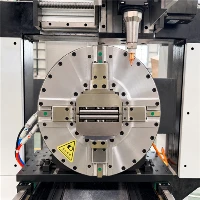
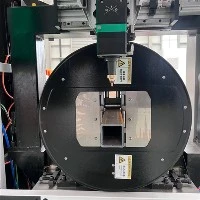
Manufacturing: For marking, engraving, and cutting of metals and plastics.
Electronics Industry: In micro-fabrication tasks like circuit board marking and welding.
Medical Industry: Used in precision surgeries and other medical treatments.
Research: Applied in flow cytometry and fluorescence microscopy.
Industry Usage
The adoption of the 450nm 3w DPSS laser module is widespread across the sectors mentioned, where its efficiency and precision have made it an invaluable tool.

Potential Mishaps During Improper Use
Eye Injury: Direct or scattered laser radiation may lead to irreversible retinal damage or blindness.
Skin Burns: Unprotected skin exposure to laser beams can result in burns.
Equipment Damage: Erroneous handling of the laser may cause malfunctions and increased maintenance costs.
Laser Safety Measures
To mitigate these risks, stringent laser safety protocols should be followed:
Protective Eyewear: Mandatory use of protective goggles that block harmful blue light.
Safety Attire: Appropriate clothing to shield the skin from direct laser exposure.
Restricted Access: Establishment of laser operation areas with clear warning signs.
Comprehensive Training: Compulsory safety training for all operating personnel.
Emergency Protocols: Installation of emergency stop mechanisms for rapid response to potential hazards.

Laser Module Specifications
| Parameter | Description |
|---|---|
| Wavelength | 450 nm |
| Output Power | 3 W |
| Operation Mode | Continuous Wave (CW) |
| Pump Source | Semiconductor Laser |
| Gain Medium | Nd:YAG (Neodymium-Doped Yttrium Aluminum Garnet) |
| Frequency Doubling | Optical element for converting IR to blue light |
| Cooling System | Air or water cooling |
| Control Interface | Available with optional communication ports and PC software |
With meticulous adherence to safety guidelines, the 450nm 3w DPSS laser module ensures a safe working environment while pushing the boundaries of what's possible in laser technology. By integrating robust safety measures into everyday operations, users can harness the full potential of this advanced tool without exposing themselves or their equipment to unnecessary risks.