



In modern industries such as manufacturing, healthcare, scientific research, and entertainment, the application of laser devices is becoming increasingly widespread. However, if the laser beam is not properly controlled, it can cause injury to personnel, including eye damage and even skin burns. Therefore, understanding and implementing appropriate laser safety measures is crucial. Below are recommended protective measures based on different classes of lasers.
 |
 |
 |
 |
 |
Level 1 (Class I/1) Laser Safety
These lasers are typically very low-powered (generally less than 0.8mW) and are designed with fully enclosed beams, usually requiring no special protective measures. Ensure that enclosure systems are intact and undamaged to prevent any potential leakage.
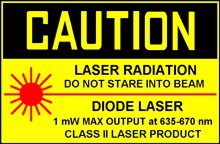
Level 2 (Class II/2) Laser Safety
These lasers have low power (typically less than 1mW) and are considered safe for normal use. Use engineering controls such as barriers or partitions to prevent accidental exposure. Wear appropriate protective eyewear in areas where laser exposure might occur. Provide sufficient warning signs and ensure all personnel have received training on safe operations.
Level 3a/A (Class IIIa/3A) Laser Safety
These lasers have power outputs up to 5mW, and the blink reflex may not be sufficient to prevent retinal damage. In addition to Level 2 measures, access control using keys or passwords is required to limit entry to high-power laser operation areas. Always wear specially designed protective eyewear, even in areas of indirect reflection. Install emergency stop buttons and warning systems for rapid response to accidents.

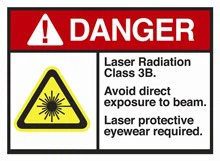
Level 3b/B (Class IIIb/3B) Laser Safety
These lasers can cause immediate eye damage upon exposure and present a higher risk, generally with power above 5mW. Take strict engineering controls, including completely enclosing the laser safety windows. Workers must wear protective clothing, laser safety goggles, and other necessary personal protective equipment (PPE). Implement rigorous safety procedures, ensuring only trained professionals operate or maintain the lasers.

Level 4 (Class IV/4) Laser Safety
These lasers are highly dangerous, typically far exceeding 5mW in power, capable of burning skin, and scattered laser light also poses a risk. Operate such high-risk lasers in specially designed laboratories or safety areas equipped with high-standard engineering controls and protective facilities. Operators must wear high-level personal protective equipment, including special laser protective goggles, full-face shields, and anti-laser clothing. The environment should be equipped with automatic fire suppression systems and emergency response equipment. Conduct regular safety reviews and risk assessments to ensure all safety measures are continuously updated and implemented.
Laser Classification and Protective Measures Table
| Laser Class | Characteristics | MPE (CW) | MPE (Pulsed) | Protective Measures |
|---|---|---|---|---|
| Class I | Very low power (<0.8mW) | Unlimited | Unlimited | Beam completely enclosed; no special protective measures needed but ensure enclosure integrity. |
| Class II | Low power (<1mW) | 1mW/cm² | 100 pulses/cm² | Use barriers or partitions; wear appropriate protective eyewear; provide warning signs; safety operation training. |
| Class IIIa | Moderate power (up to 5mW) | 0.5mW/cm² | 25 pulses/cm² | Access control; always wear custom protective eyewear; install emergency stop buttons and warning systems. |
| Class IIIb | Higher risk (>5mW and <500mW) | 0.1mW/cm² | 0.25 pulses/cm² | Strict engineering controls; fully enclosed work areas; wear protective gear, goggles, PPE; professionally trained operators; high standards. |
| Class IV | Very high risk (≥500mW) | Not exposed | Not exposed | Operate in dedicated labs/areas; operators in high-level PPE; equipped with auto fire systems and emergency response; regular safety reviews. |
In conclusion, for all classes of lasers, clear safety guidelines should be established, and regular staff training conducted to ensure every employee understands and follows best practices, thereby minimizing the risk of laser-induced injuries. Additionally, be prepared for accident response and ensure rapid and effective medical intervention. By adhering to these guidelines, we can ensure the beneficial applications of laser technology while protecting the workforce and public safety.