



Laser technology is widely used in industrial cutting, welding, medical devices, and optical research. However, improper laser exposure may cause eye damage, equipment burnout, and optical interference. One of the most searched questions in the laser industry is: What materials block laser light? Unlike ordinary visible light, lasers feature high energy density, strong directivity, and thermal penetration. Only specific optical materials can effectively block, absorb, or reflect laser beams. This article breaks down common laser blocking materials, working principles, wavelength applications, and industrial usage.
Three Main Categories of Laser-Blocking Materials
In commercial and industrial applications, laser shielding materials are categorized by their blocking mechanism into three core types: absorptive materials, reflective materials, and optical limiting materials. Each material works for different laser power levels and wavelength ranges.
1. Absorptive Materials: The Most Common Laser Protection Solution
Absorptive laser materials are the most popular choice for standard industrial laser protection. These materials contain special optical additives that trap laser photons and convert light energy into harmless heat. This physical absorption method reliably lowers laser transmittance without strong light reflection.
Typical Materials & Applications
- PC & PMMA Laser Protection Sheets: Transparent polymer panels doped with laser-absorbing pigments. Dark green PC sheets are widely used for 1064nm fiber lasers in engraving, cutting, and welding workshops. They steadily block near-infrared light (800–1700 nm) and provide UV protection for daily industrial use.
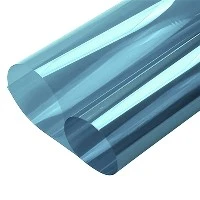
- Nano-Coated PET Laser Films: Thin, flexible optical films coated with rare metal oxides. This material precisely blocks 355nm UV lasers and 1064nm infrared lasers. It can be pasted directly on glass, acrylic, and machine windows for low-cost laser shielding in laboratories and optoelectronic workshops.

2. Reflective Materials: Ideal for High-Energy Lasers
Absorption-only materials cannot fully block high-power industrial lasers and military laser sources. Reflective laser materials adopt multi-layer dielectric coatings to bounce most laser energy away. This reflection structure prevents heat accumulation and material burnout under intense laser radiation.
Typical Materials & Limitations
- Metal-Coated Glass & Polished Metal Plates: High-hardness reflective materials used for aerospace optical windows and military anti-laser equipment. The smooth metal surface reflects high-energy laser beams to avoid internal component damage.
- Limitations of Reflective Coatings: Metal coatings gradually oxidize and peel off after long-term use. Most civilian reflective films only last around 12 months. Since coating degradation is invisible to the human eye, regular inspection is necessary to maintain laser safety performance.
3. Advanced Optical Limiting Materials: Cutting-Edge Laser Protection Technology
Traditional laser protection materials face an obvious trade-off: high transparency means weak laser resistance, and heavy shading blocks normal visibility. To solve this problem, modern laboratories developedoptical limiting materials. These advanced composites contain graphene, carbon nanotubes, and fullerene C60 for intelligent optical control.
Core Advantages
- Auto-Adjusting Light Transmittance: The material keeps clear under normal lighting. Once high-intensity laser radiation appears, its transmittance sharply drops within picoseconds to instantly block dangerous laser beams.
- Multi-Band Laser Protection: Unlike single-wavelength protective glass, optical limiting materials work for UV, visible, and infrared lasers. They are ideal for high-end optical labs and precision laser testing devices.
How to Choose Suitable Laser Blocking Materials?
No single laser blocking material fits all laser types. For safe and cost-effective selection, match the material with your laser wavelength and power:
- UV Lasers (355 nm): Adopt professional PET nano protective films;
- Industrial Fiber Lasers (1064 nm): Choose dark green PC protective boards;
- Ultra-High-Energy Lasers: Deploy metal reflective coated materials.
Using mismatched laser protection materials causes light scattering, secondary reflection, and invisible radiation leakage. Always confirm laser parameters before purchasing laser shields, windows, or protective films.

Industry Development Trends
The global laser protection industry is developing toward lightweight, transparent, and broadband laser shielding. With nanocoating upgrades and carbon-based material optimization, durable, low-cost, multi-spectrum laser protection products will dominate industrial and scientific markets in the next few years.
Final Words
Choosing the right laser-blocking material is essential for machine safety and human eye protection. Absorptive sheets, reflective coatings, and optical limiting materials serve distinct industrial scenarios. If you need customized laser protection solutions or reliable optical shielding materials, feel free to contact our professional team. Bookmark our blog for more laser industry guides and technical knowledge.