


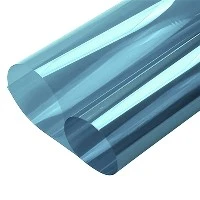

PMMA (Polymethylmethacrylate) is a type of plastic that is commonly used in PMMA (Polymethylmethacrylate) is a type of plastic that is commonly used in industrial and medical applications due to its high optical density, durability, and resistance to degradation. One of the most common uses of PMMA is in laser safety windows, which are designed to protect against laser hazards in areas where lasers are used.
The maximum power rating of a PMMA 1064nm OD6+ laser safety window depends on several factors, including the thickness of the material, the distance between the window and the laser source, and the type of laser being used. Generally speaking, most PMMA 1064nm OD6+ laser safety windows are designed to handle power ratings up to 5W. However, some windows may be able to handle higher power ratings depending on the specific design and materials used.
It is important to note that the maximum power rating of a PMMA 1064nm OD6+ laser safety window is not a fixed value, but rather a range that depends on various factors. For example, a window made of thicker material may be able to handle a higher power rating than a window made of thinner material. Similarly, a window positioned at a greater distance from the laser source may be able to handle a higher power rating than a window positioned closer to the source.

In addition to the maximum power rating, there are other factors to consider when selecting a PMMA 1064nm OD6+ laser safety window. One important factor is the wavelength of the laser being used. As mentioned earlier, 1064nm lasers are commonly used in industrial and medical applications, including laser cutting, welding, and surgery. This wavelength is also known as the "infrared" region of the electromagnetic spectrum, and it has a longer wavelength than visible light. The longer wavelength of the 1064nm laser makes it more difficult for the human eye to detect, which can increase the risk of injury if proper safety measures are not taken.
Another important factor to consider when selecting a PMMA 1064nm OD6+ laser safety window is the type of material used in the window. Several types of materials can be used in laser safety windows, including polycarbonate, sapphire, and glass. Each type of material has its own unique properties and advantages.
Polycarbonate is a popular choice for laser safety windows because it is lightweight, durable, and has high optical density. It is also relatively inexpensive compared to other materials, making it a cost-effective option for many applications. However, polycarbonate may not be suitable for all types of lasers, as it can degrade over time under certain conditions.
Sapphire is another popular choice for laser safety windows because it has even higher optical density than polycarbonate and is more resistant to degradation over time. However, sapphire is also more expensive than polycarbonate, which may make it less attractive for some applications.
Glass is another option for laser safety windows. However, it is not as common as polycarbonate or sapphire. Glass has high optical density and is resistant to degradation over time. Still, it is also heavier and more fragile than polycarbonate or sapphire.
When selecting a PMMA 1064nm OD6+ laser safety window, it is important to consider the specific requirements of your application and choose a material that meets those requirements while also providing adequate protection against laser hazards.
In addition to selecting the appropriate material for your laser safety window, it is also important to properly install and maintain the window to ensure its effectiveness. The window should be positioned so that it covers the entire area where the laser beam is directed, and it should be securely mounted to prevent it from falling or being dislodged. The window should also be cleaned regularly to remove any dust or debris that may affect its effectiveness.
Finally, it is important to train workers on how to use laser equipment safely and how to recognize and respond to potential hazards. This includes providing information on the maximum power rating of the laser being used and how to use and maintain the laser safety window properly. Workers should also be trained on how to identify potential hazards in their work environment and how to take appropriate precautions to protect themselves from harm.
In conclusion, PMMA 1064nm OD6+ laser safety windows are an essential component in protecting workers and the public from laser hazards in industrial and medical settings. The maximum power rating of a PMMA 1064nm OD6+ laser safety window depends on several factors, including the thickness of the material, the distance between the window and the laser source, and the type of laser being used. Generally speaking, most PMMA 1064nm OD6+ laser safety windows are designed to handle power ratings up to 5W. However, some windows may be able to handle higher power ratings depending on the specific design and materials used. By selecting the appropriate material for your application and properly installing and maintaining your laser safety window, you can help ensure the safety of your workers and reduce the risk of injury from laser hazards.