



In the ever-evolving world of technology, lasers have become an indispensable tool across various industries, from research and development to entertainment. Among the diverse range of laser powers available, the 5mW laser stands out as a versatile and widely used option. However, despite its relatively low power output, it is crucial to understand the potential risks and safety measures associated with its use.
Principles of Laser Safety:
Laser safety is a paramount concern, regardless of the laser's power output. The main principles of laser safety revolve around minimizing the risks associated with laser exposure and ensuring a safe working environment. These principles encompass a thorough understanding of potential hazards, implementing engineering controls to reduce exposure, providing comprehensive training, and adhering to established safety protocols.
One of the fundamental principles is the classification of lasers based on their potential for causing biological damage. The 5mW laser falls under the Class 3R category, which is considered a low-risk laser but can still pose a hazard to the eyes if viewed directly. This classification underscores the importance of taking appropriate precautions when working with these lasers.

Laser Wavelength:
The wavelength of a laser is a critical factor that determines its potential biological effects and the type of protective measures required. The 5mW laser typically operates in the visible spectrum, with a wavelength range of 400 to 700 nanometers (nm). This range includes various colors, such as red (650-670 nm), green (532 nm), and blue (405-450 nm).
The wavelength of a laser plays a crucial role in determining its interaction with biological tissues. For instance, lasers in the visible spectrum can potentially cause eye damage, particularly to the retina, if viewed directly or through certain optical instruments. Understanding the specific wavelength of the 5mW laser you are working with is essential for selecting the appropriate protective eyewear and implementing other safety measures.

Application Industries:
The versatility of 5mW lasers has led to their widespread adoption across various industries, each with its unique applications and safety considerations.
Research and Development:
In the field of research and development, 5mW lasers are commonly used for alignment, positioning, and low-power experimentation in optics, physics, and material science laboratories.
Education:
Educational institutions often employ 5mW lasers as valuable tools for demonstrating principles of optics, light propagation, and related phenomena. These lasers provide a safe and controlled environment for students to explore and understand the behavior of light.
Medicine:
In the medical field, 5mW lasers find applications in dermatology for skin treatments and in ophthalmology for diagnostic purposes. However, it is crucial to follow strict safety protocols and consult with medical professionals when using lasers in these sensitive areas.
Telecommunications:
The telecommunications industry utilizes 5mW lasers in fiber optic communication systems for transmitting data over long distances. Proper safety measures are essential to prevent accidental exposure during installation, maintenance, and repair operations.
Entertainment:
Laser light shows and displays often incorporate 5mW lasers to create captivating visual effects. In these settings, it is crucial to follow industry-specific safety guidelines and ensure that proper precautions are taken to protect both performers and audiences from potential exposure.
Protective Personal Equipment (PPE):
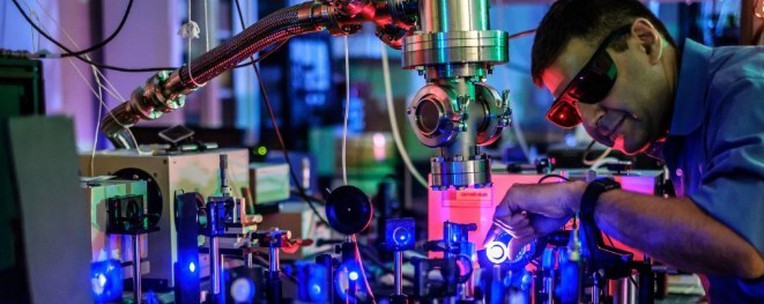
Regardless of the application industry, the use of appropriate protective personal equipment (PPE) is essential when working with a 5mW laser. The primary PPE for laser safety is laser safety eyewear, which is designed to filter out specific wavelengths of laser radiation.
Laser safety glasses or goggles should be carefully selected based on the specific wavelength of the 5mW laser being used. These protective eyewear must comply with relevant safety standards and provide adequate optical density (OD) to block the laser's radiation effectively.
In addition to eye protection, other PPE may be required depending on the specific application and potential exposure risks. For instance, in situations where airborne particles or vapors may be generated, appropriate respiratory protection should be worn. Protective clothing, such as lab coats or gloves, may also be necessary to prevent skin exposure in certain applications.
It is crucial to follow the manufacturer's recommendations and consult with laser safety experts to ensure that the appropriate PPE is selected and used correctly. Regular inspections and maintenance of PPE are also essential to ensure their effectiveness and proper functioning.

Conclusion:
While a 5mW laser may seem relatively low-powered, it is crucial to understand and adhere to the necessary safety measures to mitigate potential risks. By following the main principles of laser safety, understanding the laser's wavelength, and being aware of the specific application industries, individuals and organizations can make informed decisions about the appropriate protective measures.
Implementing the use of suitable protective personal equipment (PPE), such as laser safety eyewear, respiratory protection, and protective clothing, is a critical step in ensuring the safe operation of 5mW lasers. Regular training, adherence to safety protocols, and consultation with laser safety experts are also essential components of a comprehensive laser safety program.
It is important to remember that complacency should never be an option when working with lasers, regardless of their power output. By prioritizing safety and taking the necessary precautions, the benefits of 5mW lasers can be harnessed across various industries while minimizing the risks to personnel and the surrounding environment.