



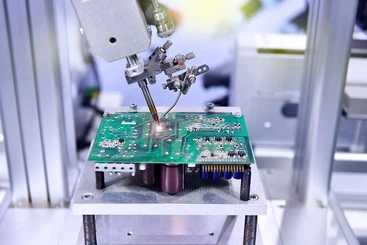
Printed Circuit Board (PCB) manufacturing relies heavily on laser technology for creating microvias-tiny holes used to connect different layers of a PCB. These microvias are essential for high-density interconnects in modern electronics, such as smartphones and computers. Laser drilling offers precision and efficiency compared to traditional mechanical methods. However, this process involves high-energy lasers that pose significant safety risks, making proper laser protection crucial. This article explores the common laser sources used in PCB microvia drilling and details the essential requirements for laser safety equipment. By understanding these elements, manufacturers can ensure a safer and more productive work environment.

Common Laser Sources in PCB Microvia Drilling
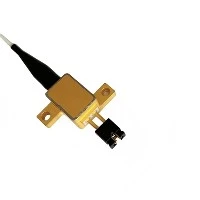
Laser sources are selected based on their wavelength, power, and interaction with PCB materials like copper and dielectric substrates. The goal is to achieve clean, precise holes without damaging surrounding areas. Here are the primary types of lasers used in this application, keeping explanations accessible for a general audience.
Ultraviolet (UV) Lasers:
UV lasers operate at wavelengths around 355 nm, providing high photon energy that allows for precise ablation of materials. They are ideal for drilling microvias in PCBs due to their ability to vaporize thin copper layers and dielectric materials with minimal heat-affected zones. This reduces burring and improves hole quality, making UV lasers suitable for high-accuracy applications like multilayer boards. Key advantages include fine resolution and compatibility with various PCB substrates, though they require stable cooling systems to maintain performance.
Carbon Dioxide (CO2) Lasers:
CO2 lasers emit infrared light at wavelengths of about 10.6 μm, which is absorbed well by organic materials such as the epoxy resins in PCBs. They excel at drilling larger holes or removing dielectric layers efficiently. CO2 lasers are often used for initial hole formation, especially in thicker boards, due to their high power output and cost-effectiveness. However, their longer wavelength can cause thermal damage to copper, so they are typically combined with other processes for optimal results.
Green Lasers:
Green lasers, with wavelengths around 532 nm, offer a balance between UV and infrared sources. They penetrate copper effectively while minimizing heat dispersion, making them useful for drilling microvias in copper-clad laminates. Green lasers provide good precision at moderate costs and are less prone to causing micro-cracks compared to IR lasers. This makes them a versatile choice for standard PCB manufacturing, particularly where both speed and accuracy are needed.
Each laser type has specific applications based on PCB design requirements, such as hole size and material composition. Operators must calibrate parameters like pulse duration and power to avoid defects, ensuring consistent microvia quality. Overall, UV and green lasers are preferred for fine-pitch drilling, while CO2 lasers handle bulkier tasks.
|
|
|

Laser Safety Requirements for Protection Equipment
Laser operations in PCB microvia drilling generate intense beams and hazardous byproducts, including reflected radiation and fumes. Without proper protection, workers face risks such as eye injuries (e.g., retinal damage) and skin burns. International safety standards, like those from ANSI and ISO, mandate specific protective measures. These requirements focus on engineering controls, personal protective equipment (PPE), and environmental safeguards to minimize exposure.
Key requirements for laser safety equipment include:
Eye Protection:
Laser safety eyewear must be worn by all personnel in the vicinity of drilling equipment. The glasses or goggles must match the laser wavelength (e.g., UV, visible, or IR) and have an optical density (OD) rating sufficient to block harmful radiation. For instance, UV lasers require OD ratings above 5 to ensure no transmission of damaging light. Lenses should be durable, scratch-resistant, and provide clear visibility for operators to monitor processes. Regular inspection and certification of eyewear are essential to maintain effectiveness.
Skin and Body Protection:
Protective clothing, such as lab coats or aprons, should cover exposed skin to prevent burns from scattered laser light or hot debris. Materials must be flame-resistant and non-reflective to avoid beam reflections. For high-power lasers, full-body suits may be necessary, especially during maintenance. Additionally, gloves designed for laser safety help shield hands during material handling, ensuring they meet standards for thermal and radiant energy resistance.
Engineering and Environmental Controls:
Beyond PPE, workstations must incorporate engineering controls like beam enclosures, interlocks, and ventilation systems. Enclosures contain the laser path and prevent accidental exposure, while interlocks automatically shut down equipment if breached. Ventilation systems remove fumes generated during drilling, such as metal vapors, to reduce inhalation risks. Warning signs and access restrictions in laser zones further enhance safety, requiring training for all staff on emergency procedures.
Adhering to these requirements not only complies with regulations but also prevents accidents and downtime. Regular safety audits and worker training reinforce a culture of safety, ensuring long-term operational efficiency in PCB manufacturing.


Conclusion
In PCB microvia drilling, lasers like UV, CO2, and green sources are indispensable for achieving high-precision holes, but they introduce significant hazards that demand robust protective measures. Understanding the characteristics of each laser type helps optimize drilling processes, while implementing stringent safety requirements-such as specialized eyewear, protective clothing, and engineering controls-safeguards workers and facilities. By prioritizing laser safety, manufacturers can enhance productivity and reliability in electronics production. Always consult official safety guidelines for the most current recommendations in your region.