



When exploring advanced skincare solutions, understanding the differences between DPL+NIR (Dual-Pulse Light + Near-Infrared) and IPL (Intense Pulsed Light) technologies is crucial. Both systems utilize light-based energy to address skin concerns, but their mechanisms, applications, and safety requirements vary significantly. This guide breaks down their distinctions and highlights essential laser protection considerations, while providing actionable insights for users.
1. Core Technology & Wavelength Differences
IPL (Intense Pulsed Light)
Mechanism: IPL uses broad-spectrum light with wavelengths typically ranging from 500–1200nm. This wide range allows it to target multiple chromophores in the skin simultaneously.
Melanin: Absorbs energy in the visible spectrum (500–600nm) to break down pigmentation (e.g., sunspots, freckles).
Hemoglobin: Targets redness and vascular issues (e.g., broken capillaries) by absorbing wavelengths around 590–600nm.
Hair Follicles: Longer wavelengths (700–1200nm) penetrate deeper to disrupt hair growth.
Thermal Action: The energy is converted into heat, causing controlled damage to targeted structures (e.g., pigment cells or hair follicles) while sparing surrounding tissue.
DPL+NIR (Dual-Pulse Light + Near-Infrared)
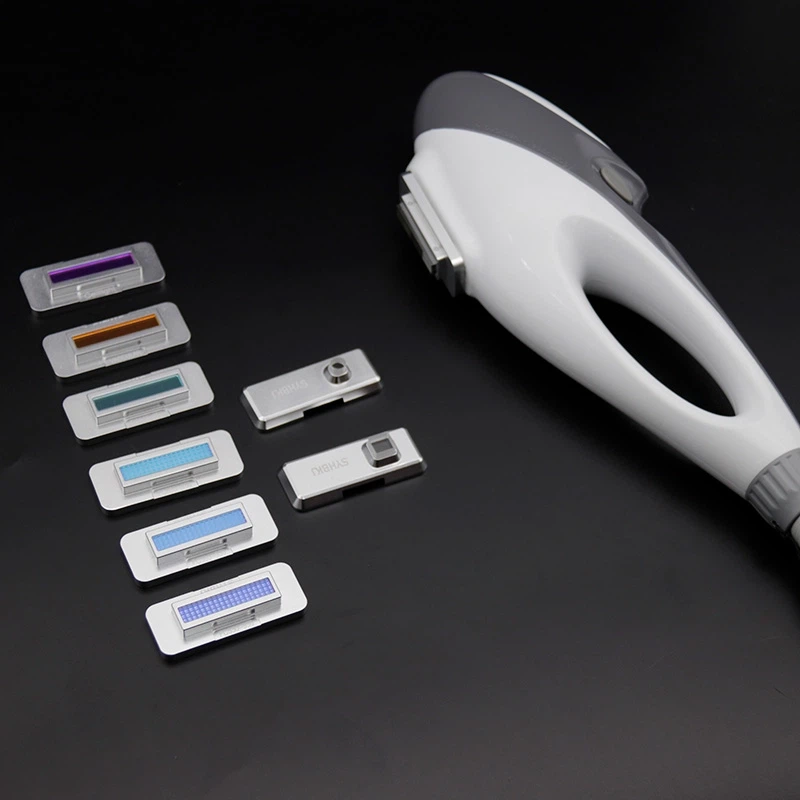
DPL (Dual-Pulse Light): Operates within a narrowband range of 500–650nm, offering precise targeting for surface-level concerns.
Precision: The narrower wavelength range reduces the risk of over-treatment in sensitive areas, making it ideal for conditions like localized pigmentation or vascular lesions.
NIR (Near-Infrared): Functions in the 700–1500nm range, delivering energy deep into the dermis to stimulate collagen production and improve skin elasticity.
Collagen Stimulation: NIR wavelengths (especially 1064nm) are absorbed by water molecules in the skin, generating heat that triggers fibroblast activity. This promotes collagen synthesis and addresses signs of aging.
Synergy: The combination of DPL and NIR allows for layered treatments-addressing surface imperfections while simultaneously enhancing skin structure from below.
2. Key Applications & Suitability
IPL: Versatile Multi-Tasking
IPL's broad-spectrum approach makes it ideal for general skin renewal:
Pigmentation: Reduces sunspots, age spots, and uneven tone by fragmenting melanin clusters.
Vascular Concerns: Minimizes redness, rosacea, and spider veins by coagulating blood vessels.
Hair Removal: Targets hair follicles in the active growth phase, reducing density over multiple sessions.
Texture Improvement: Stimulates micro-injuries that trigger the skin's natural healing process, smoothing rough texture.
Best For: Users seeking cost-effective, all-in-one solutions for common skin issues.
DPL+NIR: Precision & Anti-Aging Focus
The dual-action design of DPL+NIR caters to specific needs:
Localized Treatments: The narrowband DPL is perfect for spot treatments (e.g., removing individual sunspots or treating small areas of redness).
Collagen Boosting: NIR's deep penetration makes it a top choice for anti-aging protocols, improving skin firmness and reducing fine lines.
Sensitive Skin Compatibility: The controlled energy delivery of DPL+NIR reduces the risk of irritation, making it suitable for delicate areas like the under-eye or décolletage.
Best For: Individuals prioritizing targeted results and long-term skin health.

3. Laser Protection: Essential Safety Guidelines
Proper eye and skin protection is mandatory for all light-based devices. Below are the critical requirements for each technology:
IPL Safety Protocols
Wavelength Coverage: 500–1400nm (visible and infrared light).
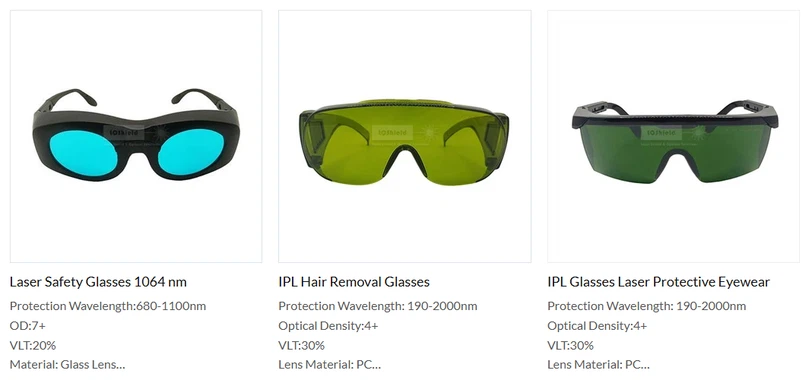
Use certified goggles with optical density (OD) values ≥ 5 for 500–650nm (visible light).
Ensure OD ≥ 4 for infrared wavelengths (780–1400nm) to block harmful energy.
Key Tip: Goggles must be worn by both operators and clients during treatment.
Skin Protection:
Avoid direct exposure to unprotected skin during operation.
Apply cooling gels or use built-in cooling systems to mitigate thermal discomfort.
DPL+NIR Safety Protocols
Wavelength Coverage: 500–650nm (DPL) and 700–1500nm (NIR).
Goggles must cover 500–1500nm with higher OD values in the NIR range (e.g., OD ≥ 5 for 1064nm).
Verify compatibility with the device's output specifications.
Key Tip: NIR wavelengths pose a higher risk of retinal damage due to their deeper penetration; always prioritize high-quality, certified eyewear.
Skin Protection:
Use lower energy settings for sensitive areas (e.g., face) to prevent overheating.
Apply a thin layer of conductive gel to enhance energy absorption and reduce surface irritation.
4. Choosing the Right Device: Key Takeaways
For General Skin Renewal
IPL is the go-to solution for multi-purpose treatments. Its broad-spectrum light addresses a wide range of concerns, making it ideal for users who want to simplify their skincare routine.
Considerations: IPL may require more sessions to achieve results compared to DPL+NIR, especially for anti-aging goals.
For Precision & Anti-Aging
DPL+NIR excels in customized, layered treatments. The combination of surface and deep-penetrating wavelengths ensures comprehensive results, particularly for mature skin or localized concerns.
Considerations: The precision of DPL+NIR requires careful parameter adjustments to avoid under- or over-treatment.
5. Practical Tips for Safe and Effective Use
Pre-Treatment Preparation:
Cleanse the skin thoroughly to remove oils, makeup, or lotions that could interfere with energy absorption.
Avoid sun exposure for at least 24 hours before treatment to reduce the risk of hyperpigmentation.
During Treatment:
Follow the device's recommended pulse intervals and energy settings.
Monitor the skin's reaction in real-time and adjust parameters as needed.
Post-Treatment Care:
Apply a soothing serum or moisturizer to calm the skin.
Use broad-spectrum sunscreen (SPF 30+) to protect treated areas from UV damage.
Avoid exfoliating or using harsh chemicals for 48–72 hours.
6. Long-Term Benefits and Maintenance
IPL: Regular sessions (every 4–6 weeks) help maintain even skin tone and reduce the recurrence of vascular issues.
DPL+NIR: Consistent use (every 2–3 weeks) supports ongoing collagen production, preserving skin elasticity and minimizing signs of aging.
7. Final Thoughts
Both IPL and DPL+NIR offer unique advantages depending on your skincare goals. While IPL provides versatile, cost-effective solutions for general concerns, DPL+NIR delivers precision and anti-aging benefits through its dual-action design. Regardless of the technology, prioritizing safety-especially eye protection-is non-negotiable. Always follow manufacturer guidelines, consult a qualified professional for personalized advice, and invest in high-quality protective gear to ensure a safe and effective treatment experience.
By understanding the differences and aligning them with your needs, you can unlock the full potential of light-based skincare while safeguarding your health.