



The advent of laser technology has revolutionized various industries, including medicine, manufacturing, and research. However, with the benefits come potential hazards that require stringent safety measures. One of the most critical aspects of laser safety is the proper selection and use of laser safety goggles. Aims to provide an overview of the different laser operation modes, their characteristics, and how to choose the appropriate laser safety goggles according to European Standard EN 207.
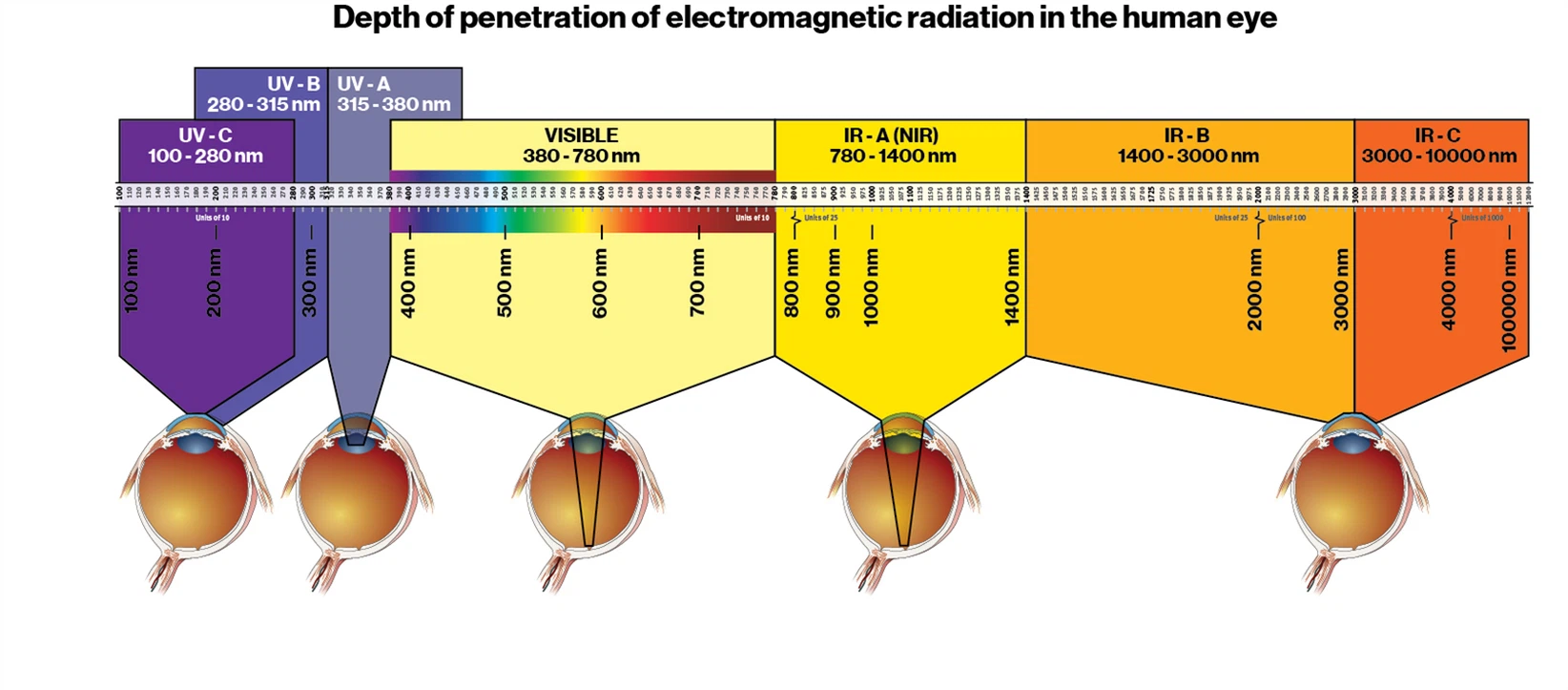
Understanding Laser Operation Modes
Lasers can operate in different modes, each with unique features that influence the type of protection required:
1. Continuous Wave (CW) Lasers
These lasers emit a steady beam of light. The output power can range from a few milliwatts to several kilowatts, depending on the application. CW lasers are commonly found in barcode scanners, pointers, and some medical equipment.
2. Pulsed Lasers
Pulsed lasers emit short bursts of light at specific intervals. Depending on the pulse duration, they can be classified as follows:
- Millisecond (ms) pulsed lasers
- Microsecond (μs) pulsed lasers
- Nanosecond (ns) pulsed lasers
- Picosecond (ps) pulsed lasers
- Femtosecond (fs) pulsed lasers
The peak power in pulsed lasers can be extremely high, even if the average power is low. Applications include materials processing, medical surgery, and scientific research.
3. Q-Switched or Giant Pulse Lasers
These lasers produce very high-energy pulses with durations ranging from nanoseconds to microseconds. They are used for applications such as tattoo removal and remote sensing.
4. Mode-Locked Lasers
Mode-locked lasers generate ultra-short pulses, typically in the femtosecond or picosecond range. They are used in high-precision material processing and some medical procedures.
Selecting Laser Safety Goggles According to EN 207 Standards
EN 207 is a European standard that specifies the requirements for personal eye protectors against laser radiation. Here's how to select the right laser safety goggles based on this standard:
1. Identify the Laser Classification
The first step is to determine the laser class (1, 2, 3A, 3B, or 4) based on the access level to the laser radiation. Class 1 is the least hazardous, while Class 4 is the most dangerous.
2. Determine the Laser Radiation Parameters
Know the laser's wavelength, power or energy, pulse duration, and repetition rate. These parameters will help you calculate the MPE (Maximum Permissible Exposure) and choose the appropriate OD (Optical Density) for your goggles.
3. Understanding L-Level and LB Values
The L-level indicates the maximum permitted exposure limit for a given wavelength range and laser mode. It is essential to match the L-level of the goggles with the laser classification and the specific operation mode.
- LB Value: The LB value, or Laser Blocking value, designates the maximum amount of laser energy that the goggles can block at a particular wavelength. This value is critical when working with high-power lasers or those that emit potentially damaging levels of radiation.
Comparing OD and LB:
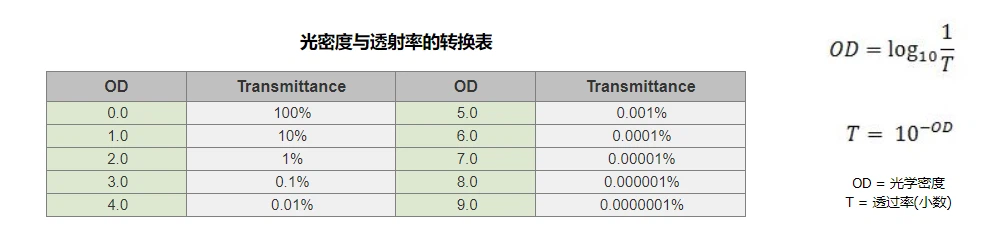
- OD (Optical Density): OD refers to the ability of the goggles to reduce the intensity of the laser beam. It is calculated as the logarithm (base 10) of the incident power divided by the transmitted power through the goggles. The higher the OD, the more protection the goggles offer. For example, an OD of 2 reduces the laser power by a factor of 100 (1% transmission), while an OD of 4 reduces it by a factor of 10,000 (0.01% transmission).
- When comparing OD and LB values, it's important to note that while OD gives a general idea of the attenuation provided by the goggles, LB values are more specific to the wavelength of the laser being used. The LB value ensures that the goggles can block a specific amount of energy at the wavelength where the laser operates.
4. Choose Goggles Based on L-Level
Laser safety goggles should have an L-level marking that complies with the MPE for the specific laser being used.
5. Consider Other Certifications
In addition to EN 207, other international standards like ANSI Z136 in the USA and CE certification in Europe provide guidelines for laser safety eyewear. Multi-certified goggles offer a broader range of protection.
6. Check for Damage Threshold
The damage threshold indicates the maximum power or energy density that the goggles can withstand without being damaged. This is particularly important for high-power or Q-switched lasers.
7. Ensure Comfort and Compatibility
Laser safety goggles should fit comfortably and not interfere with other protective equipment. They should also be compatible with any additional optical aids used by the wearer.
Conclusion
Proper eye protection is paramount when working with lasers. By understanding the different laser operation modes and their characteristics, and by selecting laser safety goggles that comply with EN 207 standards, workers can significantly reduce the risk of eye injuries. It is essential to consider all the parameters, including laser classification, wavelength, power or energy, pulse duration, and repetition rate, when choosing the right goggles. Remember, no laser safety goggle can provide protection against all types of lasers; therefore, always select goggles specific to the task at hand. With vigilant compliance to safety standards and best practices, the benefits of laser technology can be harnessed safely and effectively.