


In today's digital age, the prevalence of blue light in our daily lives has become ubiquitous. From smartphones and tablets to LED lighting and even some laser devices, the blue spectrum of light is omnipresent. However, with increased exposure comes a heightened concern for potential health risks associated with blue light, particularly when it comes to laser safety. In this comprehensive guide, we explore the hazards of blue light exposure and provide essential information on how to protect your eyes and skin from its harmful effects.

What is Blue Light?
Blue light is a high-energy visible light with short wavelengths ranging from approximately 380 to 500 nanometers. It is naturally present in sunlight and is also emitted by various artificial sources, including electronic displays and LED bulbs. While blue light has many benefits, such as regulating circadian rhythms and improving mood, it can also be harmful in excessive amounts or under specific conditions, especially when discussing laser exposure.
The Hazards of Blue Light Exposure:
1. Digital Eye Strain: Prolonged exposure to blue light emitted by digital screens can lead to digital eye strain, also known as computer vision syndrome. Symptoms include dry eyes, headaches, blurred vision, and neck and shoulder pain.
2. Sleep Disruption: Blue light suppresses the production of melatonin, the hormone that regulates sleep. Overexposure, especially in the evening, can disrupt sleep patterns and contribute to insomnia.
3. Retina Damage: High-energy blue light can cause damage to the retina over time, potentially leading to macular degeneration, a condition that affects central vision.
4. Skin Damage: Blue light penetrates deeper into the skin than other types of light and can lead to premature aging, hyperpigmentation, and even DNA damage that may increase the risk of skin cancer.
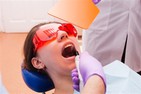
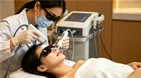
5. Laser Safety Concerns: Blue light lasers, commonly used in cosmetic procedures, entertainment, and scientific applications, can be particularly hazardous if not used properly. Direct exposure to the eye can cause immediate and permanent damage, including blindness.
Protecting Yourself from Blue Light:
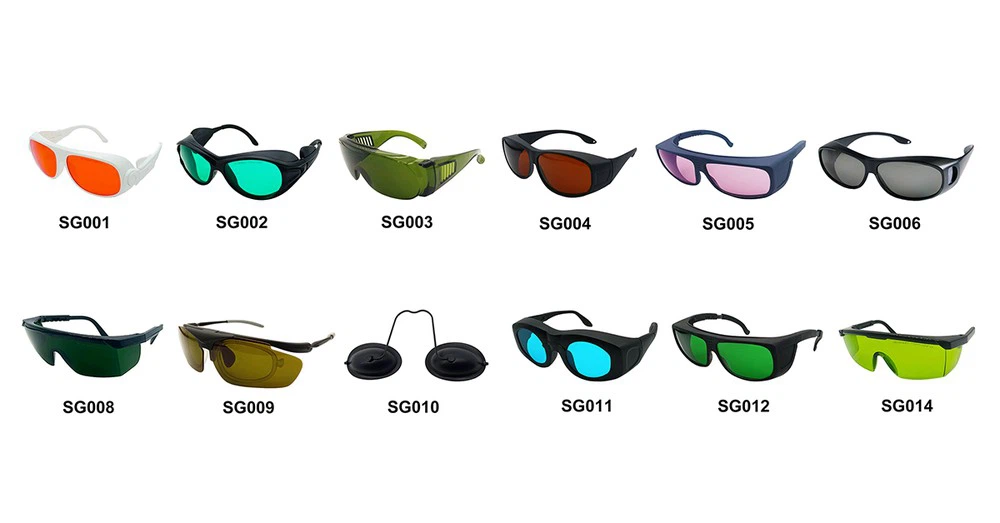
1. Use Blue Light Filtering Glasses: These glasses block or filter out harmful blue light waves, reducing the strain on your eyes and helping to improve sleep quality.
2. Adjust Screen Settings: Many devices now offer blue light filters or night mode settings that reduce the amount of blue light emitted. Adjusting these settings can help mitigate the effects of blue light exposure.
3. Take Breaks: Follow the 20-20-20 rule – every 20 minutes, take a 20-second break and focus on something 20 feet away to reduce eye strain.
4. Use Appropriate Lighting: Avoid using LED lights with high color temperatures (cool white light) during the evening hours. Warm lighting can help maintain a healthy sleep cycle.
5. Seek Professional Advice: If you are considering any procedure or treatment involving blue light lasers, consult with a qualified professional who can provide guidance on safety measures and potential risks.
Laser Safety Best Practices:
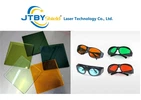
1. Wear Appropriate Eye Protection: When working with blue light lasers, always wear certified laser safety goggles or face shields that block the specific wavelength of the laser being used.
2. Ensure Proper Training: Only personnel who have received proper training and understand the risks associated with lasers should operate them.
3. Follow Regulatory Guidelines: Adhere to local and international regulations regarding the use of lasers, including those set forth by organizations like the American National Standards Institute (ANSI) and the International Electrotechnical Commission (IEC).
4. Control Access to Laser Areas: Designate laser operation areas and restrict access to authorized personnel only. Use warning signs and barriers to prevent accidental exposure.
5. Regular Maintenance and Inspections: Ensure that laser equipment is maintained and inspected regularly to identify any potential issues that could lead to unsafe conditions.
In conclusion, while blue light has its benefits, it is crucial to be aware of its potential hazards, especially when dealing with lasers. By taking appropriate protective measures and following best practices for laser safety, individuals and organizations can significantly reduce the risks associated with blue light exposure. Stay informed, stay safe, and protect your eyes and skin from the dangers of blue light.