


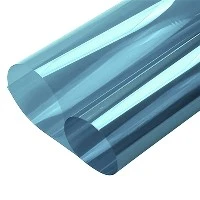

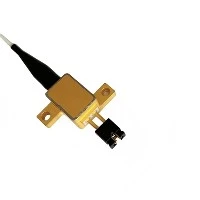
Lasers are widely used in various fields, from medicine to industry, and their safety has become a paramount concern. Acrylic materials have been popular for their transparency and durability, making them suitable for applications where visibility is essential. In this context, the question arises: can orange acrylic provide protection against lasers? This comprehensive guide aims to explore the properties of acrylic, its classifications, material attributes, applications, and important considerations when using it as a laser protective material.
What is Acrylic?
Acrylic, commonly referred to as PMMA (Polymethyl methacrylate), is a synthetic polymer made from acrylic acid and methacrylic acid. It is known for its clarity, which is comparable to glass, but with the added benefits of being more durable, lighter in weight, and easier to form into various shapes. Acrylic's chemical structure determines its physical characteristics, such as resistance to UV light, impact strength, and weatherability.

Classification of Acrylic
Acrylic materials can be classified based on their manufacturing process, molecular weight, and application:
Cast acrylic: Made by casting and curing a liquid monomer in a mold. It is known for its high clarity and uniformity.
Extruded acrylic: Produced through an extrusion process, resulting in stronger material but less optical clarity compared to cast acrylic.
Optical-grade acrylic: Specifically designed for applications requiring high transparency and precise optical properties.

Material Attributes
Acrylic's key material attributes that make it useful for laser protection include:
Light transmission: Acrylic transmits up to 92% of visible light, making it highly transparent.
Refractive index: The measure of how much the speed of light slows down in a material. Acrylic has a lower refractive index than glass, reducing the likelihood of total internal reflection.
Absorption and reflection: Different colors of acrylic absorb and reflect light differently due to pigmentation.
Applications of Acrylic in Laser Protection
Acrylic is utilized in various forms of laser safety equipment, including:
Laser safety goggles
Laser protection windows
Barriers in laser processing areas
Enclosures for high-power laser systems
Its ability to block harmful wavelengths while allowing visible light to pass through makes it an ideal material for these applications.


Colored Acrylic and Laser Interaction
Colored acrylics can enhance the absorption or reflection of specific wavelengths of light. For instance, orange acrylic contains pigments that absorb certain frequencies of light. If the wavelength of the laser coincides with the absorption spectrum of the orange colorant, it can effectively attenuate or block the laser beam. However, this also depends on factors such as the intensity and duration of laser exposure, as well as the thickness and quality of the acrylic material.
Considerations When Using Acrylic for Laser Protection
Wavelength specificity: Not all acrylic materials are effective against all types of lasers. The choice of material must be laser wavelength-specific.
Thickness and density: Thicker acrylic sheets may offer better protection but may also affect visibility.
Quality assurance: Only use acrylic materials that meet international standards for laser safety.
Maintenance: Regular inspection for scratches or deformations is necessary to maintain effectiveness.
Environmental factors: Prolonged exposure to sunlight can degrade acrylic, affecting its performance.
Conclusion
Orange acrylic can indeed provide protection against certain laser wavelengths if selected and used appropriately. Its coloration can enhance the absorption of specific light frequencies, offering a level of safety against laser exposure. However, it is crucial to consider the compatibility of the acrylic with the specific laser wavelengths in use, adhere to international laser safety standards, and maintain the condition of the material to ensure ongoing effectiveness. By doing so, one can leverage the protective benefits of colored acrylics in laser environments safely and efficiently.