



When using a 5W blue light laser pointer, wearing laser protection glasses is highly recommended to ensure your eye safety. Here are the detailed reasons and considerations:
1. Understanding the Hazards of Blue Light Lasers
a. Wavelength and Retinal Damage
Wavelength Range: Blue light lasers typically operate in the wavelength range of 400-500nm. This range is particularly hazardous because it can penetrate deeper into the eye and focus on the retina.
Retinal Vulnerability: The retina, especially the photoreceptor cells, is highly sensitive to blue light. Prolonged exposure or high-intensity exposure can cause thermal and photochemical damage, leading to conditions such as maculopathy and retinal burns.
b. Power and Energy Density
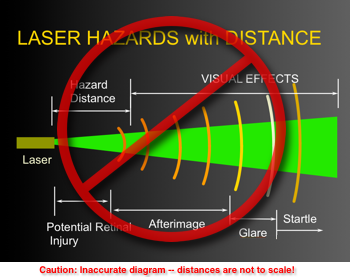
High Power Output: A 5W laser pointer emits a significant amount of energy, which increases the risk of retinal damage. The power density at the focal point on the retina can be extremely high, making even brief exposures dangerous.
Beam Stability: Unlike some lower-power lasers, a 5W laser pointer produces a stable and concentrated beam, which can maintain its intensity over longer distances and increase the potential for eye injury.
2. Importance of Laser Protection Glasses
a. Optical Density and Filtering
Optical Density (OD): Laser protection glasses are rated by their optical density, which indicates the level of attenuation they provide. For a 5W blue laser pointer, an OD of at least 6+ is recommended to effectively block harmful radiation.
Selective Filtering: High-quality laser protection glasses are designed to filter out specific wavelengths of light while allowing visible light to pass through. This ensures that the wearer can see clearly without being exposed to harmful laser radiation.

b. Comfort and Usability
Comfortable Fit: Modern laser protection glasses are designed for extended wear, featuring adjustable nose pads and temple arms to fit various face shapes comfortably.
Durability and Safety: These glasses are made from impact-resistant materials to withstand accidental drops or bumps, ensuring long-term protection.
3. Practical Considerations for Using a 5W Blue Light Laser Pointer
a. Handling and Operation
Secure Handling: Always handle the laser pointer with care, ensuring that it is pointed away from people and animals. Use a dedicated carrying case to prevent accidental activation.
Controlled Environment: Use the laser pointer in a controlled environment where stray laser beams can be easily managed. Avoid using it in public spaces or crowded areas.

b. Training and Awareness
Proper Training: Ensure that anyone who uses the laser pointer is properly trained in its safe operation and understands the importance of wearing laser protection glasses.
Emergency Procedures: Have clear procedures in place for what to do in case of accidental eye exposure. This includes immediate cessation of use and seeking medical attention if necessary.
4. Legal and Regulatory Compliance
a. Safety Standards
Compliance with Regulations: Ensure that your laser protection glasses meet the safety standards set by organizations such as the American National Standards Institute (ANSI) and the International Electrotechnical Commission (IEC).
Certification: Look for certification marks on the glasses indicating that they have been tested and approved for laser safety.
b. Workplace Safety
Occupational Safety and Health Administration (OSHA): In workplaces, adhere to OSHA guidelines for laser safety, which include mandatory use of laser protection glasses when operating high-power lasers.
Regular Inspections: Conduct regular inspections of the laser protection glasses to ensure they are not damaged and continue to provide adequate protection.
5. Case Studies and Real-World Applications
a. Industrial Settings
Manufacturing and Engineering: In industrial settings, workers often use high-power lasers for cutting, welding, and alignment tasks. Wearing laser protection glasses is crucial to prevent occupational eye injuries.
Maintenance and Repair: Technicians working on laser equipment must use appropriate eye protection to safeguard against accidental exposure during maintenance activities.
b. Research and Education
Scientific Research: Researchers using lasers in laboratories must adhere to strict safety protocols, including the use of laser protection glasses to protect against high-energy laser beams.
Educational Institutions: Schools and universities teaching physics or engineering courses involving lasers should provide students with proper protective equipment to ensure their safety during experiments.
Conclusion
Using a 5W blue light laser pointer necessitates the use of laser protection glasses to mitigate the risks of severe eye injury. The high power output and specific wavelength of blue light make this type of laser particularly hazardous. By understanding the risks, choosing the right protective equipment, and following best practices for laser safety, you can significantly reduce the likelihood of eye damage while using such powerful tools.