



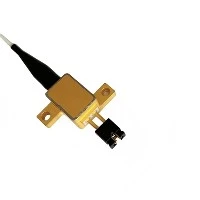
1080nm belongs to the near-infrared spectrum region. This specific wavelength of laser has a wide range of applications in the fields of medical, military, industrial processing, etc. due to its unique physical properties. However, with the popularity of these applications, higher requirements are also placed on the safety protection of operators and the surrounding environment. Therefore, it is particularly important to understand the application of 1080nm laser and its protective measures.
Application of 1080nm infrared laser
- Medical field: 1080nm laser is often used in non-invasive medical treatments such as laser surgery and photodynamic therapy. This wavelength of laser can penetrate deep into tissue without damaging the surface, and is particularly effective for certain types of cancer treatment. In addition, it is also used in ophthalmic surgery, such as retinal repair and cataract removal, because it can be precisely focused inside the eye, minimizing damage to surrounding healthy tissue.
- Military field: In the military, 1080nm laser can be used as a target indicator or rangefinder to help improve the accuracy and efficiency of weapon systems. It can also be used in night vision equipment to provide enhanced image clarity. In addition, due to its good penetration ability, it is also suitable for communication systems and can maintain stable signal transmission under adverse weather conditions.
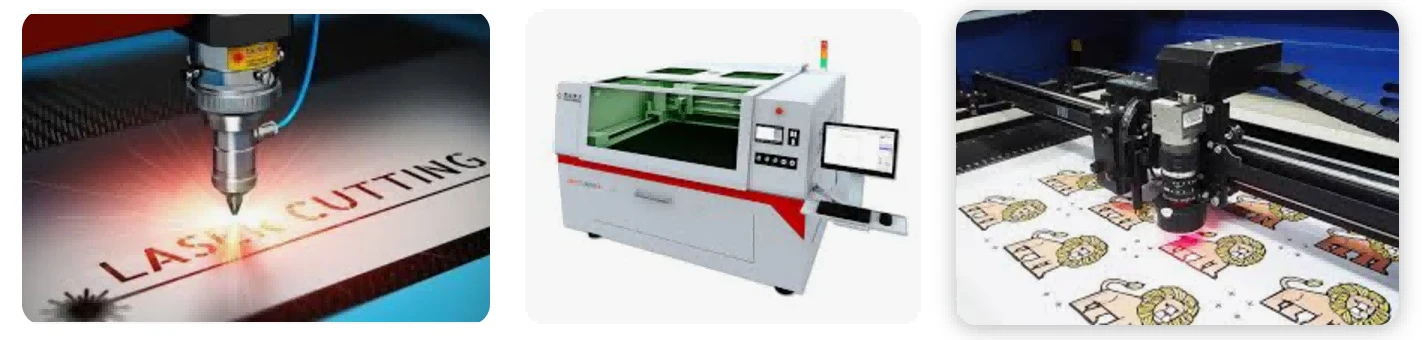
- Industrial processing: Due to its good penetration ability and thermal effect, 1080nm laser is suitable for material cutting, welding and marking and other processing processes, especially in occasions that require fine processing. For example, in semiconductor manufacturing, it can be used for wafer cutting without microcracks; in automobile manufacturing, it can be used for high-precision welding of door structural parts; in the aerospace field, it can be used for precision cutting and drilling of composite materials.
The importance of 1080nm laser protection
Although 1080nm laser plays an important role in many fields, improper operation may lead to serious safety accidents. Laser radiation can cause permanent damage to the human eye and even cause blindness. In addition, the skin may also be burned by long-term exposure to high-power lasers. Therefore, it is necessary to take appropriate protective measures.
(I) Eye protection
The human eye is one of the most sensitive parts of the human body and is also the part most vulnerable to laser damage. Although the 1080nm wavelength laser is not in the visible spectrum, its energy is enough to penetrate the surface of the eyeball and directly act on the retina, causing irreversible damage. Workers who are exposed to this environment for a long time must wear professional laser protection glasses. These glasses are usually made of special optical materials that can effectively absorb or reflect light of specific wavelengths to protect the eyes from damage. It is very important to choose lenses with appropriate optical density (OD value) to ensure adequate protection.

(ii) Skin protection
In addition to the eyes, the skin is also an area that is susceptible to laser damage. When the laser is irradiated on the skin, it will generate heat, causing local temperature rise, which will cause burns. Employees working near high-power lasers need to pay more attention to this. To reduce the risk of skin damage, it is recommended to wear long-sleeved clothes and long pants, and use protective clothing made of flame-retardant materials. In addition, you can also apply special sunscreen to add an extra layer of protection. Check your skin condition regularly and seek medical attention if you find any abnormalities.
(iii) Respiratory system protection
In some cases, lasers may produce harmful gases or particles that pose a threat to the human respiratory system. For example, when cutting metal or other hard materials, fine particles are produced; when handling certain chemicals, toxic vapors may be released. Therefore, when performing such operations, appropriate masks or face shields should be worn to prevent the inhalation of harmful substances. At the same time, it is also very important to ensure that the workplace has good ventilation conditions. Installing an efficient exhaust system can help remove pollutants from the air and keep the indoor air fresh.
(IV) Hearing protection
Although not as obvious as other forms of energy, laser pulses are sometimes accompanied by noise. Especially in the case of continuous and rapid emission, the accumulated sound pressure level may reach a very high level. Being in such an environment for a long time will cause damage to people's hearing organs. For this reason, workers should be equipped with sound insulation devices such as earplugs or earmuffs to reduce the impact of external noise on themselves. In addition, arranging working hours reasonably and avoiding long-term continuous work can also help reduce the burden on hearing.
(V) Psychological and physical health
Exposure to high-intensity light sources for a long time is not only harmful to the body, but may also cause problems such as increased psychological stress and decreased vision. Studies have shown that people who are frequently exposed to strong light stimulation are more likely to suffer from symptoms such as insomnia and anxiety. Therefore, companies should provide employees with a comfortable working environment. For example, setting soft background lighting and placing green plants can help relieve tension. At the same time, we encourage everyone to develop good living habits, ensure adequate sleep time and appropriate physical exercise, so that they can better cope with the challenges at work.
Recommended laser protection products
In response to the potential risks of 1080nm lasers, JTBYShield Laser Technology Co., Ltd. provides a series of professional protection products, including laser protection glasses, laser protection plates and laser protection helmets, designed to provide users with comprehensive protection.
- Laser protection glasses: Provide multiple optical density options such as OD4+/6+/8+, as well as VLT (visible light transmittance) 20% and 40% options to adapt to different working environments and user needs. These glasses are made of high-quality materials to ensure durability and comfort. They can not only effectively block harmful laser radiation, but also maintain sufficient visible light transmittance so that users can clearly see the working area. The specially designed frame structure can fit the facial contours tightly to prevent any light leakage.
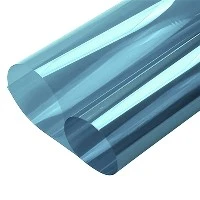
- Laser protection plate: Made of high-transmittance material, it can not only effectively block 1080nm lasers, but also maintain a certain degree of visible light transmittance, suitable for occasions where the work area needs to be observed. These protection plates are usually installed next to or above the machine to form a safe barrier to prevent accidental leakage of lasers to the operator. Their size can be adjusted according to the specific application, covering the entire workbench or used as a mobile screen.

- Laser protection helmet: Provides comprehensive protection for the head and face, especially for people working in high-risk environments. Made of lightweight materials, this helmet is very comfortable to wear and will not feel tired even if worn for a long time. Its design fully considers air circulation to ensure that users can stay cool even in high-temperature environments. The helmet is equipped with an adjustable headband inside, which is suitable for people of various head shapes. In addition, it is equipped with an anti-fog mask to maintain a good field of view even in humid environments.
Summary
Although the application of 1080nm infrared laser is widespread and of great value, its potential safety risks cannot be ignored. By using appropriate personal protective equipment, such as the high-quality laser protection products provided by JTBYShield Laser Technology Co., Ltd., these risks can be significantly reduced and the safety of operators can be ensured. Choosing appropriate protective measures is not only a personal responsibility, but also a manifestation of responsibility for the entire work environment. Whether in the field of medical, military or industrial processing, the correct use and maintenance of laser equipment is crucial. Only when we fully realize the convenience and challenges brought by laser technology can we better utilize this great invention and promote social progress and development.