




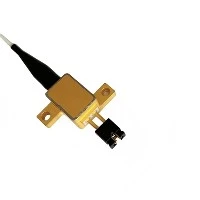
The use of blue laser beams has become widespread in various fields, including scientific research, medical procedures, and entertainment. While these lasers offer numerous benefits, their potential to cause eye damage is a serious concern.
Understanding Blue Laser Beams
Blue lasers typically have a wavelength ranging from 400 to 500 nanometers (nm), which falls within the visible spectrum. Due to their short wavelength and high energy, blue lasers can penetrate the eye more deeply than other colors, posing a greater risk to retinal tissues. The intensity and duration of exposure to the laser beam are critical factors in determining the extent of eye damage.
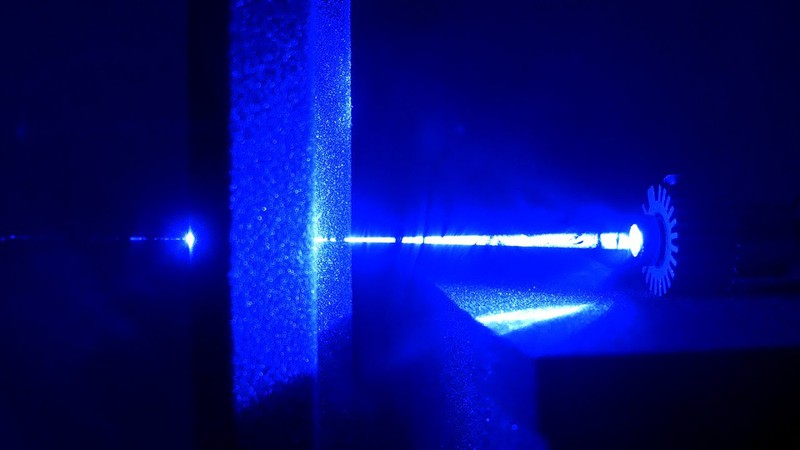
Mechanisms of Eye Damage by Blue Laser Beams
Blue laser beams can cause both photochemical and thermal damage to the eyes. Photochemical damage occurs when the laser light interacts with the retina, causing chemical changes in the photoreceptor cells. These changes can lead to cell death and subsequent vision loss. Thermal damage, on the other hand, results from the absorption of laser energy by the ocular tissues, leading to tissue heating and potential burns.
The retina is the most vulnerable part of the eye when exposed to blue laser beams. The high-energy photons can penetrate the cornea and lens, focusing directly on the retina. This intense concentration of energy can cause localized damage, such as burns or tears in the retina. Depending on the severity and location of the injury, it can lead to permanent vision impairment or even blindness.

Symptoms of Laser Eye Injury
The symptoms of laser eye injury can vary depending on the severity and location of the damage. Common symptoms include blurred vision, flashes of light, floaters, pain, and redness. In severe cases, individuals may experience significant vision loss or complete blindness. If any of these symptoms occur, it is crucial to seek immediate medical attention.
Protection Against Blue Laser Beam Damage
To protect against blue laser beam damage, several measures can be taken:
1. Eyewear Protection
Wearing appropriate laser safety eyewear is the most effective way to protect your eyes from laser beams. Laser safety glasses or goggles should be worn whenever working with or around lasers. Ensure that the eyewear you choose is certified for the specific type of laser you will be using and that it meets the appropriate safety standards.

2. Distance and Shielding
Maintaining a safe distance from the laser source and using barriers or shields can significantly reduce the risk of eye damage. Position yourself so that you are not looking directly at the laser beam, and use physical barriers to block the laser beam from reaching your eyes or those of others.
3. Training and Education
Proper training and education are essential for understanding the risks associated with blue laser beams and knowing how to handle them safely. Ensure that you receive comprehensive training on laser safety protocols, including proper handling procedures, emergency procedures, and the use of protective equipment.
4.Labeling and Warning Signs
Proper labeling and warning signs are crucial for alerting people to the presence of lasers and potential hazards. Clearly label all laser equipment with warnings indicating the type of laser, its power, and any specific safety precautions that need to be taken. Additionally, post warning signs in areas where lasers are used or stored to remind people of the potential dangers.
Conclusion
Blue laser beams offer many benefits, but their potential to damage the eyes cannot be ignored. By understanding the risks and implementing effective protection measures, we can enjoy the advantages of blue lasers safely. Always prioritize eye safety, wear appropriate laser safety eyewear, maintain a safe distance from the laser source, and seek regular training and education. If you or someone else experiences symptoms of laser eye injury, seek immediate medical attention to mitigate the extent of damage and preserve your vision.