


Argon laser beams typically operate at specific wavelengths within the blue-green spectrum of visible light. The two most common wavelengths are 488 nm (blue) and 514.5 nm (green). These wavelengths are particularly useful in a variety of applications due to their unique interaction properties with materials and biological tissues.
Applications
Medical Uses: In ophthalmology, the 488 nm and 514.5 nm wavelengths are used because they can be focused to small spots, allowing precise operations such as LASIK eye surgery. Argon lasers are also utilized in dermatology for treatments like skin resurfacing and in photodynamic therapy for cancer treatment.
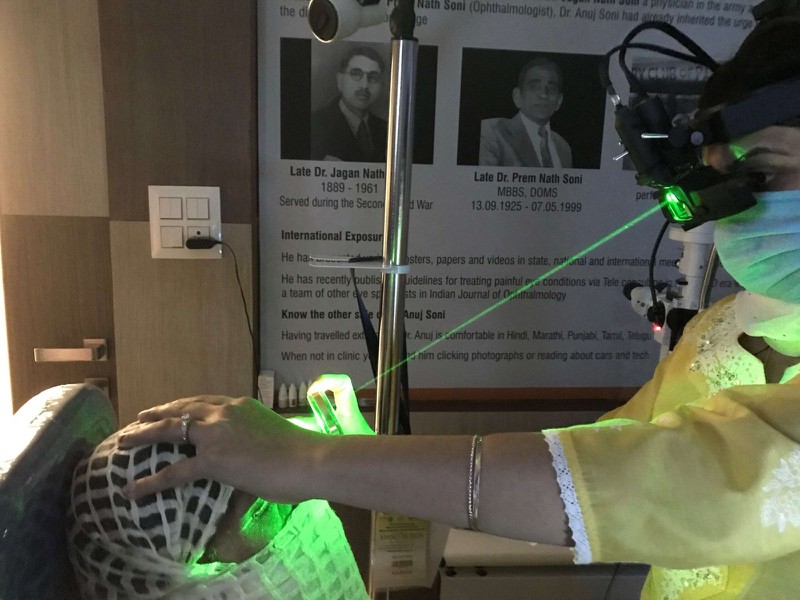
Industrial Uses: The argon laser's blue-green output is ideal for surface marking and inspection in manufacturing, where different materials absorb these wavelengths efficiently.
Spectroscopy: Argon lasers are used in spectroscopy for analyzing materials, as their discrete wavelengths can provide detailed information about the composition and structure of substances.
Holography: Due to their coherence, argon lasers are suitable for creating high-quality holographic images.
Data Storage: The 488 nm and 514.5 nm wavelengths can be used in certain types of optical data storage systems.

Protection
When working with argon lasers, it is crucial to select the right safety tools to protect against potential injuries, especially to the eyes and skin. Here are some aspects to consider when choosing safety equipment, especially laser safety glasses:
Laser Wavelength: Ensure that the safety glasses you choose are designed to protect against the specific wavelength(s) of the argon laser(s) you are using. For argon lasers, look for glasses that are rated for 488 nm and 514.5 nm wavelengths.
Optical Density (OD): The OD value indicates the level of protection offered by the glasses. A higher OD value means greater attenuation of the laser beam. For argon laser protection, an OD of at least 5 is recommended, which reduces the intensity of the laser light by a factor of 100,000.
Frame Design: Laser safety glasses should have side shields or wrap-around frames to prevent exposure from reflected or scattered laser light entering from the side.
Comfort and Fit: Safety glasses should be comfortable to wear and provide a snug fit to avoid slipping or shifting while working.
Compliance with Standards: Ensure that the safety glasses comply with international safety standards such as ANSI Z136.1 in the United States or equivalent standards in other countries.
Power and Pulse Duration: Consider the power of the laser and its pulse duration when selecting protective gear. Higher power lasers may require more protective measures, including additional personal protective equipment (PPE) such as face shields or protective clothing.

Visible Light Transmission (VLT): This indicates how much visible light passes through the lens. A higher VLT percentage allows more ambient light in, which can be important for tasks requiring good visibility.
Scratch Resistance: Laser safety glasses should have scratch-resistant coatings to maintain clarity and protection over time.
Replacement and Maintenance: Always keep spare safety glasses and inspect them regularly for any damage or scratches that could reduce their effectiveness.
By carefully selecting safety tools based on these criteria, you can ensure that you and your colleagues are adequately protected when working with argon lasers. Regular training and adherence to established safety protocols are also essential for maintaining a safe working environment.