




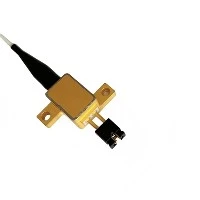
The KTP laser, also known as the Potassium Titanyl Phosphate laser, is a versatile and effective tool in the medical field, offering precision and control in various treatments. With its unique wavelength of 532 nanometers, it has proven to be particularly useful in addressing certain medical conditions while minimizing collateral damage to surrounding tissues.
What is KTP Laser
The KTP laser operates at a wavelength of 532nm, which is ideal for many biological applications due to its strong absorption by hemoglobin and melanin. This particular characteristic makes it an excellent tool for procedures involving the destruction of blood vessels or the removal of pigmented lesions. The KTP laser is a frequency-doubled Nd:YAG laser, meaning it uses neodymium-doped yttrium aluminum garnet (Nd:YAG) as the lasing medium and employs a potassium titanyl phosphate (KTP) crystal to double the frequency and halve the wavelength of the laser light. The result is a high-energy beam with good penetration capabilities that can be finely focused, making it suitable for precise medical applications.

Industry Applications of the KTP Laser
While the KTP laser has applications across multiple industries, including materials processing and scientific research, its use in the medical field is particularly prominent. Its ability to target specific types of tissue with minimal impact on surrounding areas has made it invaluable in numerous medical specialties.
Common Medical Uses of the KTP Laser
Dermatology: The KTP laser is frequently used in dermatology for treating vascular lesions such as port-wine stains, spider veins, and angiomas. It is also utilized for the removal of benign pigmented lesions like lentigines and seborrheic keratoses.
Urology: In urology, the KTP laser is applied for prostatectomies and other endourological procedures, where its hemostasis capabilities are beneficial.
Gynecology: The laser is sometimes used in gynecological surgeries for procedures like vulvar vestibulitis treatment.
Ophthalmology: For certain eye surgeries, such as glaucoma treatment, the KTP laser's precision makes it an option for trabeculoplasty.
Otorhinolaryngology (ENT): In the field of otolaryngology, the KTP laser is employed for treating laryngeal papillomatosis and other vocal cord lesions.
Dentistry: Although less common, there are applications in dentistry where the KTP laser might be used for soft tissue procedures.

Choosing Laser Protection Measures for Practitioners and Patients
When using the KTP laser, it is crucial to implement proper eye protection measures to safeguard both the medical staff and the patient from potential ocular damage. Here are some protective measures to consider:
Laser Safety Goggles: All personnel in the room should wear appropriate laser safety goggles that block the specific wavelength of the KTP laser. These goggles should comply with international safety standards, such as ANSI Z136.1 in the United States.
Room Shielding: Opaque barriers or curtains should be used to enclose the procedure area, preventing any stray laser beams from leaving the immediate work area.
Warning Signs and Access Restrictions: Clearly mark the door with warning signs indicating laser operation, and restrict access to authorized personnel only.
Education and Training: All involved staff should receive education on the potential risks associated with laser use and training on how to operate the equipment safely.
Patient Protection: If the patient's eyes are not within the treatment area, they should still wear protective goggles. If the eyes are near the treatment site, protect them with eye shields or pads designed for that purpose.
Equipment Maintenance: Regular maintenance and inspection of the laser equipment are essential to ensure it functions within safe parameters and does not pose unexpected risks.
Emergency Procedures: Having established emergency procedures in place for laser mishaps is essential, including knowing the location of emergency equipment like eye wash stations.

Summary
The KTP laser, with its 532nm wavelength, has become an indispensable tool in various medical fields due to its precision and effectiveness in targeting specific types of tissues. However, the potential risk to vision necessitates strict adherence to protective measures during its operation. By diligently following safety protocols, including the use of appropriate laser safety goggles, room shielding, and educational training, medical professionals can significantly mitigate these risks. Furthermore, maintaining a high standard of equipment maintenance and being prepared for emergencies further enhances the safety of both patients and practitioners. As the application of the KTP laser continues to expand in the medical industry, so too does the importance of eye protection remain a critical component of safe practice.