



The advent of laser technology has brought about significant advancements in various fields, including industry and medicine. Violet lasers, with their unique properties and capabilities, have emerged as a versatile tool in these sectors. This news aims to delve into the applications of violet lasers in industry and medicine, while also addressing the crucial aspect of protecting individuals from potential hazards associated with these powerful devices.
Applications of Violet Laser in Industry
1. Precision Material Processing
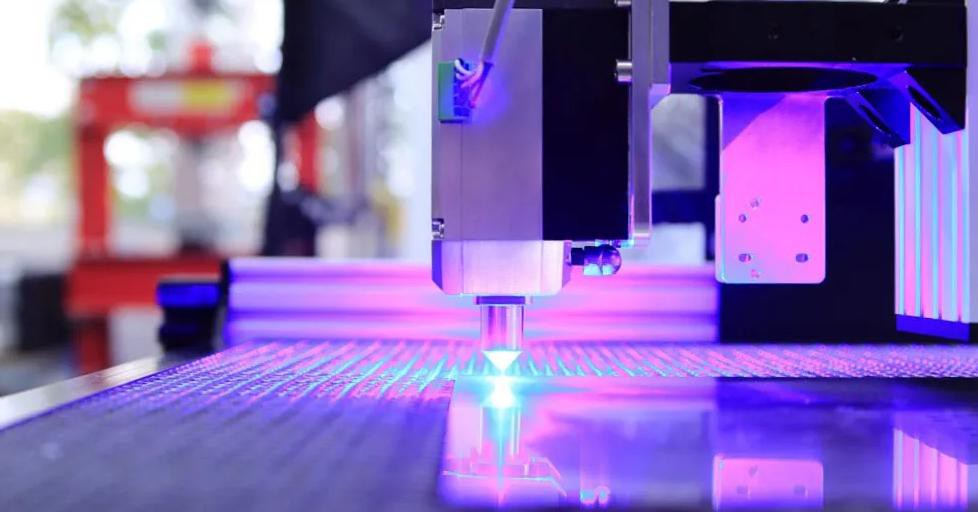
Violet lasers have revolutionized material processing by offering unparalleled precision and efficiency. With their high energy density and short wavelength, these lasers enable precise cutting, welding, and engraving of a wide range of materials. In the automotive industry, for instance, violet lasers are extensively used for cutting and welding sheet metal, ensuring optimal fit and function of vehicle parts.
2. Micromachining and Microfabrication
The high resolution and small spot size of violet lasers make them ideal for micromachining applications. In the microelectronics industry, these lasers are used to create intricate patterns on silicon wafers, enabling the production of smaller and more powerful electronic devices. Additionally, violet lasers are employed in the fabrication of microfluidic devices, which are essential for lab-on-a-chip technologies.
3. Surface Treatment and Modification
Violet lasers can alter the surface properties of materials, such as roughness, hardness, and chemical composition. This ability is valuable for improving the performance and durability of industrial components. For example, laser surface treatment can enhance the wear resistance of metal parts, reducing maintenance costs and extending product life.
4. Additive Manufacturing
Violet lasers play a significant role in additive manufacturing, also known as 3D printing. These lasers are used to melt and fuse metal powders or polymers, creating complex three-dimensional structures layer by layer. This technology has revolutionized the production of customized parts and prototypes, enabling faster and more cost-effective manufacturing processes.
5. Quality Control and Inspection
Violet lasers are also used in quality control and inspection processes in various industries. Their ability to detect minute defects and variations in materials makes them invaluable for ensuring product quality and safety. For example, in the semiconductor industry, violet lasers are used to inspect silicon wafers for defects, ensuring the production of high-quality chips.

Applications of Violet Laser in Medicine
1. Ophthalmology
Violet lasers have become an essential tool in ophthalmology for various procedures. The most common application is in laser eye surgery, such as LASIK (Laser-Assisted in Situ Keratomileusis), where violet lasers are used to reshape the cornea to correct vision problems like myopia, hyperopia, and astigmatism. Additionally, these lasers are used in cataract surgery to break up and remove the cloudy lens.
2. Dermatology
Violet lasers are used in dermatology for various skin treatments. They are effective in removing tattoos, birthmarks, and other pigmented lesions by breaking down the pigments in the skin. Additionally, these lasers are used for hair removal, vascular lesion treatment, and skin resurfacing procedures.
3. Oncology
Violet lasers have shown potential in oncology for both diagnostic and therapeutic purposes. They can be used to detect cancerous cells by analyzing their fluorescence properties. Additionally, these lasers can be used to treat certain types of cancer, such as superficial bladder cancer, by destroying the tumor cells with precise beams of light.
4. Dentistry
In dentistry, violet lasers are used for a variety of procedures, including teeth whitening, gum disease treatment, and cavity preparation. These lasers offer several advantages over traditional dental tools, such as reduced pain and swelling, faster healing times, and improved precision.
Protection of Individuals from Violet Laser Hazards
1. Understanding the Hazards
Violet lasers, like all lasers, emit intense beams of light that can pose serious risks to human eyes and skin. Direct exposure to these beams can cause temporary or permanent vision loss, burns, and other injuries. Therefore, it is crucial to understand the potential hazards associated with violet lasers and take appropriate precautions to protect individuals.
2. Safety Standards and Regulations
To ensure the safe use of violet lasers, various safety standards and regulations have been established by organizations such as the International Electrotechnical Commission (IEC) and the Occupational Safety and Health Administration (OSHA). These standards outline the requirements for laser safety, including the classification of lasers based on their hazard level, the use of appropriate personal protective equipment (PPE), and the implementation of safety protocols.
3. Personal Protective Equipment (PPE)
Personal protective equipment is essential for protecting individuals from violet laser hazards. The most critical PPE for laser safety is eye protection, which should be worn at all times when working with violet lasers. The appropriate type of eye protection depends on the laser's wavelength, power, and other factors. Additionally, gloves and other protective clothing may be necessary to protect the skin from laser beams.

4. Safety Protocols and Training
Implementing safety protocols and providing adequate training are crucial for ensuring the safe use of violet lasers. Safety protocols should include measures such as warning signs, restricted access areas, and emergency procedures in case of accidents. Training should cover topics such as laser safety principles, hazard identification, and proper use of PPE.
5. Laser Safety Officers
Many organizations designate a Laser Safety Officer (LSO) to oversee laser safety programs. The LSO is responsible for ensuring compliance with safety standards and regulations, conducting risk assessments, and providing guidance and training to employees. Having an LSO can help organizations maintain a high level of laser safety awareness and prevent accidents.
Conclusion
Violet lasers have become an indispensable tool in industry and medicine, offering numerous advantages over traditional methods. However, their powerful capabilities also pose significant risks if not handled properly. By understanding the hazards, adhering to safety standards and regulations, using appropriate PPE, implementing safety protocols, and providing adequate training, we can ensure the safe and effective use of violet lasers in these fields.