



In the realm of radiation protection and industrial safety, specialized eyewear plays a pivotal role in safeguarding professionals from potential hazards associated with exposure to ionizing radiation (as in the case of X-rays) and non-ionizing radiation emitted by high-power lasers, such as fiber lasers. While both X-ray protective glasses and fiber laser protective glasses serve the fundamental purpose of protecting the wearer's eyesight, they are engineered with distinct properties tailored to the unique characteristics and dangers of the respective radiation types. Let's delve into the core differences between these two types of protective eyewear, encompassing their design, materials, functionality, and the specific radiation protection they offer.
1. Understanding the Radiation Types
To comprehend the disparities between X-ray and fiber laser protective glasses, it's crucial first to grasp the nature of the radiation each is designed to protect against.
X-Rays: A form of electromagnetic radiation with high energy and short wavelengths, capable of penetrating various materials, including human tissue. Prolonged or excessive exposure can lead to radiation burns, cell damage, and an increased risk of cancer.
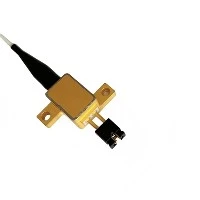
Fiber Lasers: A subset of solid-state lasers that utilize optical fibers doped with rare-earth elements to generate a highly concentrated beam of light, primarily in the infrared region. These lasers pose risks such as retinal burns, eye damage, and even blindness due to direct or reflected exposure.

2. Design and Materials
Materials: Typically constructed using lead or lead-free composite materials like barium sulfate or lead acrylic, which effectively attenuate X-rays due to their high atomic number and density. These materials absorb and scatter the radiation, reducing its intensity before it reaches the eyes.
Design: Designed with wraparound styles to provide all-around protection, often with side shields to minimize peripheral exposure. They may appear bulkier due to the heavy materials used.

Fiber Laser Protective Glasses:
Materials: Employ specialized filters or coatings that block or absorb specific wavelengths within the infrared spectrum emitted by fiber lasers. Materials commonly used include polycarbonate lenses treated with dielectric coatings or metallic oxides, ensuring transparency while blocking harmful wavelengths.
Design: Lightweight and sleeker in design compared to X-ray glasses, allowing for extended wear without causing significant discomfort. The emphasis is on visibility and comfort, given that laser operators require clear vision during operation.

3. Functionality and Protection Mechanisms
Functionality: Primarily rely on the mass attenuation coefficient of the material to reduce radiation exposure. The thickness and composition of the lens directly correlate with the level of protection offered.
Protection Mechanism: Absorption and scattering of X-ray photons, converting their energy into heat or re-emitting them at safer, less energetic wavelengths.

Fiber Laser Protective Glasses:
Functionality: Designed to selectively filter out specific wavelengths while transmitting visible light, ensuring operators can see their work environment clearly without compromising safety.
Protection Mechanism: Reflective coatings or absorptive filters block or dissipate the targeted wavelengths of laser light, preventing them from reaching the retina and causing damage.

4. Standards and Regulations
Both types of protective glasses must adhere to strict safety standards set forth by regulatory bodies:
X-Ray Glasses: Comply with standards such as IEC 61331-1 for personal eye protection against X-rays and gamma radiation in medical, industrial, and laboratory settings.

Fiber Laser Glasses: Conform to regulations like ANSI Z136.1 for safe use of lasers and EN 207/208 for laser eye protection, ensuring they meet the necessary requirements for wavelength-specific filtration.
5. Usage Scenarios and Limitations
Usage: Predominantly used in medical imaging (e.g., radiography), dental practices, security screening, and industrial settings where X-ray equipment is operated.
Limitations: Not suitable for protecting against other forms of radiation or laser emissions. Can be heavy and uncomfortable for prolonged wear.
Fiber Laser Protective Glasses:
Usage: Essential in manufacturing environments where fiber lasers are employed for cutting, welding, engraving, or marking tasks.
Limitations: Each pair is designed to block specific wavelengths; thus, incorrect glasses could provide inadequate protection. Users must ensure the glasses match the laser's wavelength.
Conclusion
In summary, while X-ray protective glasses and fiber laser protective glasses share the common goal of preserving ocular health, they differ significantly in their design, materials, functionality, and the type of radiation they are engineered to counteract. X-ray glasses leverage dense materials to shield against high-energy electromagnetic radiation, whereas fiber laser glasses employ advanced filtering technologies to selectively block hazardous infrared wavelengths. Understanding these distinctions is vital for selecting the appropriate protective eyewear in various professional settings, ensuring maximum safety without compromising operational efficiency or visual clarity.