


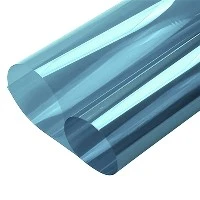

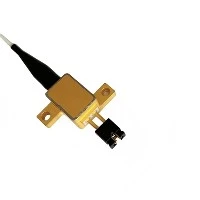
The choice of laser shield is closely related to the material it is made of and its corresponding high-temperature resistance. Different laser applications require different levels of protection due to differences in laser power, wavelength, and operating environment.
Glass vs. Acrylic (PMMA):
Glass is generally more heat resistant than acrylic. It can withstand higher temperatures without deforming or melting, making it suitable for high-power laser applications. Glass laser shields are also less susceptible to yellowing over time due to UV exposure, thus maintaining their optical clarity.
On the other hand, acrylic (polymethyl methacrylate, PMMA) is lighter and easier to form into a variety of shapes and sizes. However, its heat resistance is lower than glass, limiting its use in low-power lasers. Acrylic sheets may also require additional coatings to enhance their laser resistance.

Metal alloys:
For very high-power or specialized laser applications, metal alloys such as stainless steel or aluminum with specialized coatings can be used. These materials have excellent heat dissipation and high reflectivity, but if not properly coated, they can also absorb laser energy, resulting in thermal damage or even fire risks.
Ceramics:
Ceramic materials such as aluminum oxide (Al2O3) or silicon carbide (SiC) are known for their excellent hardness, high temperature resistance, and good optical transmission characteristics at certain wavelengths. They are ideal for high-intensity laser applications where durability and heat resistance are critical.
Quartz:
Quartz is another popular laser shield material due to its high purity, excellent optical transmittance over a wide wavelength range, and high thermal stability. It is often used in ultraviolet (UV) to infrared (IR) laser applications involving high energy densities.
Composites:
Advanced composites can combine the advantages of different substances. For example, a composite plate with embedded metal or ceramic particles can improve heat dissipation and wear resistance while remaining lightweight.
When selecting laser shielding, consider the following factors:
Laser power and wavelength: The material must be able to withstand the energy level and wavelength of the laser without significant damage or transmission.
Transmission properties: The material should transmit the desired wavelength while blocking or absorbing harmful wavelengths.
Environment: Consider ambient temperature, humidity, and any corrosive elements that may degrade the material over time.
Mechanical requirements: In some cases, durability, scratch resistance, and ease of installation are important.
Cost: Some materials, such as ceramics or advanced optical glass, may be more expensive than others.
Ultimately, the choice of laser shield material depends on a careful evaluation of these factors to ensure safety, effectiveness, and cost-effectiveness for a specific laser application.

In addition, laser shields play a key role in many industries and applications, protecting people and equipment from laser radiation. Here are some common laser shield application industries and fields:
Medical industry: Use shields in laser surgery and treatment equipment to ensure the safety of doctors and patients.
Manufacturing: Use shields in laser cutting, welding, and marking equipment to protect operators from harmful laser radiation.
Scientific research laboratories: Use shields in laser experiments to protect researchers and equipment.
Military and defense: Use shields in laser weapons and target positioning systems to protect operators and equipment.
Aerospace: Use shields in satellite communications and remote sensing equipment to protect equipment from laser radiation in space.
Optical communications: Use shields in fiber-optic communication equipment to protect optical modules and photodetectors from laser damage.
Entertainment industry: Protective panels are used in stage lighting and laser shows to protect the eyes of audiences and performers.
Laser printing and scanning equipment: Protective panels are used in laser printers and scanners to prevent internal laser leakage from harming users.
Security monitoring: Protective panels are used in laser ranging and monitoring systems to protect equipment and personnel.
Laser radar (LIDAR) technology: Protective panels are used in fields such as self-driving cars, terrain mapping, and environmental monitoring to protect LiDAR systems from laser damage.

In short, when selecting laser protective panels, the power, wavelength, operating environment, and required mechanical and optical properties of the laser must be carefully considered. By selecting the right materials and designs, safe and stable operation of the laser system can be ensured, and personnel and equipment can be protected from the potential hazards of laser radiation.