Why Eye Protection Matters During X-ray Procedures
Protecting the Eyes Is an Essential Part of Radiation Safety
During fluoroscopy-guided and diagnostic X-ray procedures, medical professionals are routinely exposed to scatter radiation. While lead aprons effectively shield the torso, they do not protect one of the most radiosensitive organs in the body-the eyes.
Repeated occupational exposure to ionizing radiation may increase the cumulative dose received by the eye lens. For physicians, radiologic technologists, nurses, and other staff working close to X-ray equipment, appropriate X-ray radiation protective eyewear plays an important role in reducing unnecessary exposure during daily clinical practice.
Unlike standard safety glasses, radiation protective eyewear is specifically designed with lead-equivalent protective lenses that help attenuate scatter radiation while maintaining optical clarity and comfortable vision during procedures.
Scatter Radiation Is the Primary Source of Eye Exposure
Contrary to common belief, healthcare professionals are rarely exposed to the primary X-ray beam. Instead, the majority of occupational exposure comes from scatter radiation generated when X-rays interact with the patient's body.
Scatter radiation travels in multiple directions and can reach the operator's face and eyes even when wearing a lead apron. This is why many radiation safety guidelines recommend combining lead aprons, thyroid shields, and X-ray safety glasses as part of a comprehensive personal protective equipment (PPE) strategy.
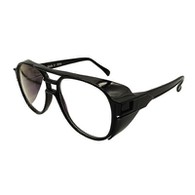
Properly fitted lead glasses with side shields or wraparound designs provide additional protection against lateral scatter that conventional eyewear cannot offer.
Who Benefits Most from Radiation Protective Eyewear?
Professionals who routinely work near fluoroscopy or X-ray systems are among the primary users of X-ray eye protection, including:
- Interventional cardiologists
- Interventional radiologists
- Vascular surgeons
- Orthopedic surgeons
- Pain management physicians
- Electrophysiologists
- Cath lab nurses
- Radiologic technologists
- C-arm operators
- Veterinary imaging professionals
For these users, wearing radiation protection glasses helps support long-term occupational safety without affecting procedural visibility.
Choosing the Right Level of Protection
Not all radiation protective eyewear is designed for the same clinical environment.
Selection should be based on factors such as:
- Lead equivalency (0.35 mmPb, 0.5 mmPb, or higher)
- Side radiation protection
- Lens coverage area
- Optical quality
- Frame weight and comfort
- Prescription compatibility
- Compliance with applicable testing standards
Understanding these factors allows hospitals, distributors, and healthcare facilities to select X-ray radiation protective eyewear that best matches their specific workflow and radiation safety requirements.
JTBYShield Radiation Protective Eyewear Solution
JTBYShield designs and manufactures X-ray radiation protective eyewear for hospitals, imaging centers, distributors, and OEM partners worldwide.
Our solutions combine certified lead-equivalent protective lenses, lightweight frame options, ergonomic designs, and customization capabilities to help medical professionals achieve effective radiation protection while maintaining comfort during prolonged procedures.
Whether for interventional cardiology, fluoroscopy, mobile C-arm imaging, or diagnostic radiology, JTBYShield offers eyewear solutions tailored to different clinical applications and procurement requirements.

There is a common misconception that lead glasses have to be heavy and uncomfortable to wear. In fact, we can manufacture high-performance, high-efficiency and lightweight anti-radiation glasses, which are light and comfortable to wear, just like wearing ordinary glasses, and high-lead glass transparent lenses effectively block X-rays and protect your glasses from harmful radiation influence, and thus more peace of mind.
X-ray Radiation Protective Eyewear come in a variety of styles and designs, including wrap-around, bifocal, and prescription. Some also come with comfortable nose pads and earpieces to ensure a snug and secure fit. It's worth noting that these glasses are not a substitute for proper safety procedures and protective clothing. Instead, they are designed to work in tandem with other protections to ensure maximum safety and protection.
How Scatter Radiation Reaches the Eye
During fluoroscopy and other X-ray-guided procedures, healthcare professionals are generally not exposed to the primary X-ray beam. Instead, most occupational exposure comes from scatter radiation, which is produced when the primary X-ray beam interacts with the patient's body, examination table, or surrounding equipment.
Unlike the primary beam, scatter radiation travels in multiple directions and may reach the operator's head, neck, hands, and particularly the eye lens. Because the eyes are often outside the protection area of a lead apron, X-ray radiation protective eyewear plays an important role in reducing unnecessary eye exposure during routine clinical procedures.
Where Does Scatter Radiation Come From?
Scatter radiation is generated whenever X-rays strike an object. In medical imaging, the patient becomes the largest source of scattered radiation rather than the X-ray tube itself.
Several factors influence the amount and direction of scatter radiation, including:
- Patient body size
- X-ray beam energy (kVp)
- Exposure settings
- Imaging angle
- Distance between the operator and the patient
- Procedure duration
For this reason, staff working in interventional radiology, cardiac catheterization laboratories (Cath Labs), orthopedic surgery, pain management, and vascular procedures are routinely exposed to low levels of scattered radiation throughout the workday.
Why Are the Eyes Particularly Vulnerable?
The eye lens is one of the most radiosensitive tissues in the human body. Unlike many other organs, the lens has limited ability to repair radiation-related cellular changes. Although individual exposures during diagnostic imaging are generally low, repeated occupational exposure over months or years may contribute to cumulative lens dose.
During fluoroscopy-guided procedures, physicians and technologists often position themselves close to the patient while looking directly at monitors or the treatment field. This working posture places the eyes in the path of scatter radiation, especially when no dedicated radiation protective eyewear is worn.
Common Pathways of Scatter Radiation
Scatter radiation can reach the operator from several directions rather than a single straight line.
Typical exposure pathways include:
- Upward scatter from the patient toward the face
- Lateral scatter reaching the eyes from the sides
- Reflection from the procedure table or nearby surfaces
- Secondary scatter produced by surrounding equipment
Because side exposure is common in many fluoroscopy procedures, lead glasses with side shields or wraparound frame designs can provide additional protection compared with standard eyewear.
How X-ray Radiation Protective Eyewear Helps
X-ray radiation protective eyewear is designed with lead-equivalent protective lenses that help attenuate scatter radiation before it reaches the eye lens. Depending on the clinical application, users may choose different levels of lead equivalency, frame styles, and side protection to match their working environment.
When combined with lead aprons, thyroid collars, ceiling-mounted shields, and proper positioning techniques, radiation protection glasses contribute to a multi-layered approach to occupational radiation safety for physicians, radiologic technologists, and other healthcare professionals.
Procurement Guide for X-ray Radiation Protective Eyewear
Choosing the right X-ray radiation protective eyewear supplier involves more than comparing prices. Hospitals, medical distributors, imaging equipment suppliers, and procurement teams typically evaluate product quality, regulatory compliance, manufacturing capability, customization options, and delivery reliability before placing an order.
At JTBYShield, we support global customers with flexible manufacturing solutions for radiation protective eyewear, from standard product supply to OEM and private label projects.
OEM & Private Label Manufacturing
Whether you are an established medical distributor or launching your own radiation protection brand, JTBYShield provides flexible OEM radiation protective eyewear solutions designed for international markets.
OEM services may include:
Private logo printing
Custom frame colors
Customized lead equivalency options
Lens color selection
Packaging design
User manuals
Our engineering and production teams work closely with customers to ensure customized products meet both branding requirements and applicable quality standards.
Flexible MOQ for Different Business Needs
Minimum order quantity (MOQ) may vary depending on the product model, customization level, and packaging requirements.
We support procurement for:
Medical equipment distributors
Radiation protection product wholesalers
Government tenders
Hospital purchasing departments
Imaging equipment manufacturers
International trading companies
Whether you require a standard production order or a customized OEM project, our sales team can recommend an appropriate production solution based on your purchasing volume.
Quality Control Throughout Manufacturing
Consistent product quality is essential for X-ray radiation protective eyewear used in clinical environments.
Our quality control process covers every stage of production, including:
Incoming Material Inspection
Frame materials
Protective lens materials
Hardware components
In-Process Quality Control
Lens assembly
Frame alignment
Optical appearance
Product dimensions
Final Product Inspection
Visual inspection
Functional inspection
Packaging verification
Order quantity verification
Quality documentation can be provided according to project requirements where applicable.
Product Customization Options
Different medical facilities and distributors often require different product specifications.
JTBYShield offers customization options including:
| Customization Item | Available Options |
|---|---|
| Lead equivalency | 0.35 mmPb / 0.5 mmPb / Customized |
| Frame color | Multiple colors |
| Frame style | Standard / Wraparound / Side Shield |
| Prescription lenses | Available for selected models |
| Logo | Laser marking or printing |
| Packaging | OEM retail box / Bulk packaging |
| User manual | Customized language versions |
Our team can assist customers in selecting suitable configurations based on clinical applications, local regulations, and purchasing requirements.
Global Shipping Support
JTBYShield supplies X-ray radiation protective eyewear to customers worldwide.
Shipping options include:
- Express courier
- Air freight
- Sea freight
- Railway transportation (where available)
We work with customers to coordinate shipment schedules, export documentation, and logistics arrangements based on project timelines and destination requirements.
Typical export documents may include:
Commercial Invoice
Packing List
Certificate of Origin (when required)
Other documentation requested for international trade
Ready to Source X-ray Radiation Protective Eyewear?
Whether you are sourcing standard X-ray radiation protective eyewear, developing a private label product line, or looking for a long-term manufacturing partner, our team is available to discuss your project requirements.
Contact JTBYShieldto request product information, customization options, technical documentation, or a quotation for your next procurement project.
Hot Tags: X-ray Radiation Protective Eyewear Manufacturer & OEM Supplier, China, manufacturers, suppliers, factory, customized, wholesale, best, cheap, professional, for sale, near me