



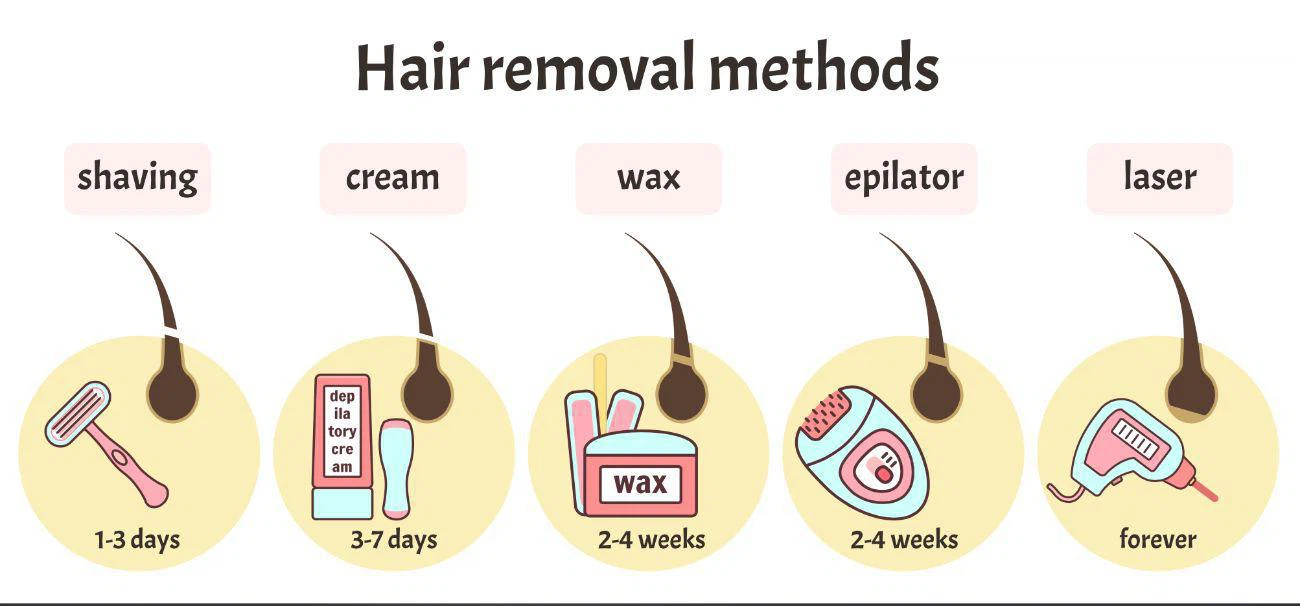
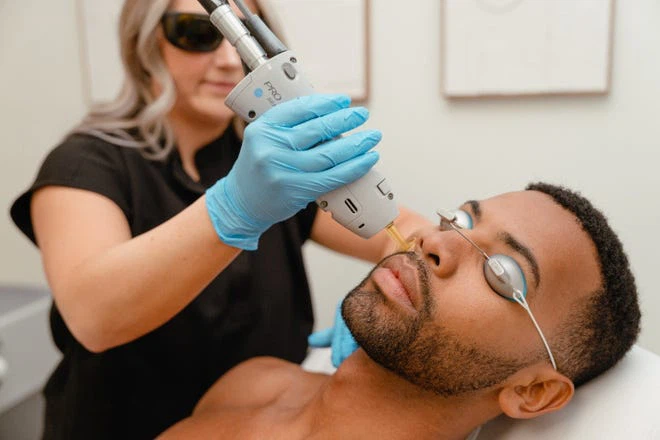
Laser hair removal is a popular method for long-term hair reduction. It involves the use of high-intensity laser light to target and destroy hair follicles, effectively preventing future hair growth. However, with such powerful technology comes the need for appropriate safety measures, including the use of specialized laser safety glasses.

Understanding Laser Light Hazards
Before diving into the selection of protective eyewear, it's essential to understand the potential hazards associated with laser light. The primary risk involved with laser hair removal is retinal damage. The eyes are particularly vulnerable because the laser light can be absorbed by the melanin in the retina, leading to burns or permanent vision loss.
Types of Laser Safety Glasses
Laser safety glasses are designed to protect against specific wavelengths of light. For laser hair removal, which typically uses wavelengths ranging from 650 to 1064 nanometers (nm), you will need glasses that offer protection within this range. There are two main types of laser safety glasses:
Absorption Glasses: These glasses contain a tinted material that absorbs the laser light energy, preventing it from penetrating to the eyes. They are effective for low-to-medium power lasers.
Reflection Glasses: Featuring a reflective coating, these glasses reflect the laser light away from the eyes. They are suitable for high-power lasers and are often used in medical and industrial settings.
Selecting the Right Laser Safety Glasses
To choose the appropriate laser safety glasses, consider the following factors:
Wavelength Protection: Ensure that the glasses provide protection for the specific wavelength used in your laser hair removal procedure. Manufacturers will specify the wavelength coverage, which should match or exceed the wavelength of your laser device.
Optical Density: This refers to the amount of light that the glasses can block. For most laser hair removal devices, an optical density (OD) of at least 6 is recommended. This means the glasses can block up to 1 million times the intensity of the laser light.
Certification: Look for glasses that are certified by recognized testing bodies, such as the American National Standards Institute (ANSI) or the European Committee for Standardization (CEN). Certification ensures that the glasses meet the necessary safety standards.
Comfort and Fit: The glasses should fit comfortably and securely on your face without slipping or becoming a distraction during the procedure. Some models come with adjustable frames or padded nose pieces for added comfort.
Compatibility: If you wear prescription glasses, you may need to find laser safety glasses that can be worn over them. Some manufacturers offer clip-on or frame-mounted options for those who require corrective lenses.
Additional Safety Measures
Alongside wearing the right laser safety glasses, there are other precautions that should be taken during laser hair removal:
Staff Training: Ensure that all personnel performing or assisting with laser hair removal are trained in the safe operation of the equipment and the proper use of protective eyewear.
Room Controls: Use room controls such as warning signs and interlocks on doors to prevent unauthorized access during laser procedures.
Skin Protection: While not related to eye protection, it's crucial to note that clients' skin should also be protected with specialized cooling devices or gels to prevent burns.
Conclusion
The selection of laser protective eyewear is a critical aspect of ensuring safety during laser hair removal procedures. By understanding the potential hazards of laser light, recognizing the different types of safety glasses, and considering the necessary factors for selection, both practitioners and clients can minimize risks and maximize the benefits of laser hair removal treatments. Remember, compliance with safety standards and best practices is non-negotiable when it comes to using high-powered laser equipment.