


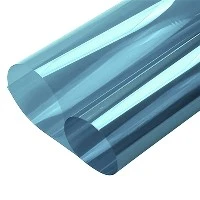

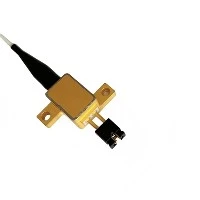
Laser safety glasses are essential protective equipment for any industry utilizing lasers. With laser types emitting different wavelengths and power levels, choosing appropriate eyewear depends on the specific lasers and applications in an environment. By understanding emission properties and risk factors, organizations can implement properly matched defenses.
Shielding Eyes During Material Processing
Industrial cutting, engraving and micromachining of metals, polymers, textiles and other materials often employ high-powered CO2 or fiber lasers in infrared and near-infrared wavelengths. Intense beams pose hazards from spraying debris and reflected scatter off unfinished surfaces.
Safety glasses here must filter longer infrared wavelengths while allowing good visibility of surroundings. Common polycarbonate lenses help protect against flying fragments, while specialty coatings block close-range scatter emissions transparent to the human eye. These defenses give workers secure protection during prolonged processing shifts without obstructing necessary sight.
Preserving Vision for Laser Alignment
Applications like optics experiments and spectrometer calibration require technicians to periodically view beams directly. Attenuating filters are needed to reduce visible laser light to eye-safe intensities rather than fully blocking emission.
Variable density lenses electronically switch between lighter screening for ambient visibility and darker filtering for direct beam alignment. Twist knobs allow tuning protection specifically matched to the alignment laser. Precision instrumentation technicians can thereby work confidently without needing to repeatedly put on and take off glasses.
Safeguarding Outdoor Laser Light Shows
Large-venue laser displays involve significant power levels, posing risks if beams sweep toward audiences. Safety here depends on physical barriers around projection zones, such as fences or walls, to contain direct emission. Ushers also distribute disposable laser glasses filtering one or more visible wavelengths at intensities produced.
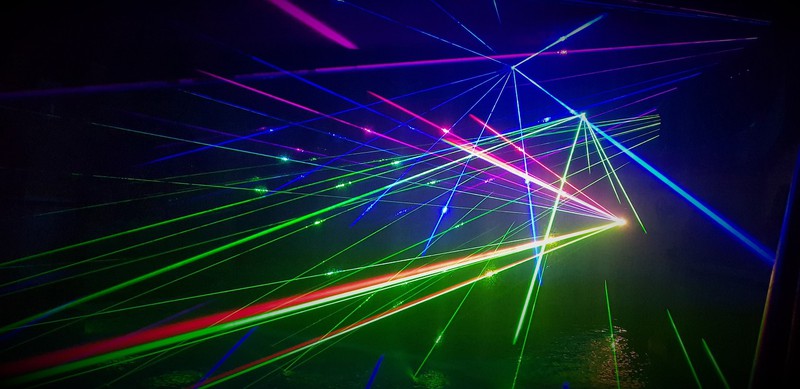
With warnings to avoid viewing beams, even front-row spectators can responsibly enjoy dynamic public laser displays. Projectionists additionally wear protective eyewear when working near exposed laser equipment.
Defending Air Crews Against Hostile Handheld Lasers
Hostile personnel intermittently aim handheld laser pointers at aircraft to distract pilots during critical phases like takeoff and landing. These visible wavelength lasers can temporarily blind pilots, endangering all onboard.
To protect air crews, laser eye protection makes use notch filters - extremely narrowband filters blocking wavelengths produced by common 532nm green laser pointers while maintaining transparency across other visibles. Thin enough for helmet visors, these provide essential laser defense for aviators.
Preserving Health in Medical Laser Procedures
Laser energy produces therapeutic skin resurfacing, vision correction and other medical treatment effects. But risks remain for eye exposure from scattered reflections or equipment malfunctions.
Doctors utilize glasses filtering specific infrared, visible or ultraviolet wavelengths matching their medical laser. Disposable polycarbonate glasses also protect patient eyes during procedures. Additionally, laser technicians performing repeated cosmetic skin treatments wear eyewear rated for extended exposure at wavelengths and power levels involved, preserving their vision health for ongoing livelihoods.
With application-specific models filtering from ultraviolet through far infrared, laser eyewear serves to safely implement laser technology across diverse industries. Lenses now incorporate improved optics, electronics and ergonomics to defend vision wherever intense beams operate. By selecting glasses matched to equipment and environments, organizations can maximize productivity and innovation enabled by lasers without compromising safety.