



Lasers are essential tools in various industries, including manufacturing, medicine, and research. With their high power densities and precise focusing capabilities, lasers can perform complex tasks that are difficult or impossible with other technologies. However, the same properties that make lasers so useful also pose significant risks to human health, particularly to the eyes.
The wavelength of a laser determines its potential hazards. Wavelengths in the ultraviolet (UV) range can cause damage to the cornea and lens of the eye, while those in the infrared (IR) range can damage the retina. Visible light lasers, like those at 450nm, fall between these two ranges and can cause both corneal and retinal damage.


The Hazards of 450nm Laser Cutters
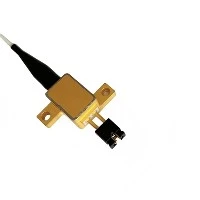
A 450nm laser cutter operates in the blue-violet spectrum, which is highly visible and thus attractive to the eye. This visibility can lead to increased risk of accidental exposure if proper safety measures are not in place. The beam from a 450nm laser can cause both immediate and delayed damage to the eye, including:
Photochemical Damage: The energy of the laser can chemically alter the structures in the eye, leading to permanent damage.
Thermal Damage: The laser's energy can heat and destroy tissue, causing burns and blisters on the skin or within the eye.
Mechanical Damage: The force of the laser beam can physically disrupt tissue, leading to tears or ruptures.
Choosing the Right Safety Window
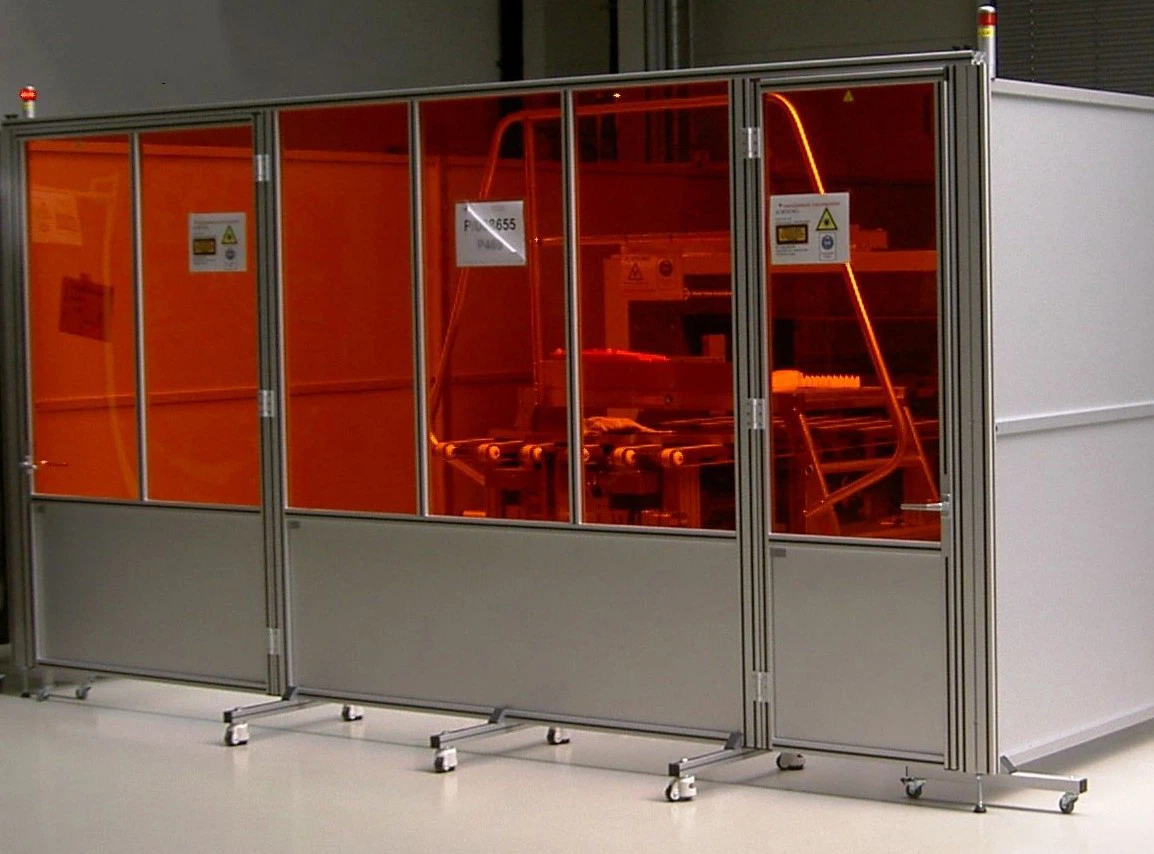
To protect against these hazards, it is crucial to select the right safety window for your 450nm laser cutter. Here are some key considerations:
Optical Density (OD): This measure indicates how much light is blocked by the safety window. A higher OD means more light is blocked, providing greater protection.
Wavelength Range: Make sure the safety window is designed to block the specific wavelength of your laser. For a 450nm laser, you need a filter or goggles that provide effective protection at this wavelength.
Regulatory Compliance: Ensure that the safety window meets international standards such as ANSI (American National Standards Institute), IEC (International Electrotechnical Commission), or EN (European Norms). These standards classify lasers by their potential hazards and specify the required level of eye protection.
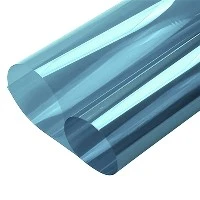
Material: Safety windows can be made from materials like colored plastic, glass, or specialized optical filters. The material should be durable, scratch-resistant, and able to withstand any environmental conditions present in your work area.
Comfort and Fit: If you're selecting safety goggles, they should be comfortable to wear for extended periods without causing strain or discomfort. They should also fit well to prevent any gaps that could allow stray light to enter.
Field of View: The safety window or goggles should provide an unobstructed view of the work area to ensure accurate performance of tasks.
Cost: While cost is always a consideration, it should not come at the expense of safety. Invest in quality safety equipment that provides the necessary protection.
Additional Safety Measures
In addition to using the appropriate safety window, it is important to implement a comprehensive set of safety measures when working with a 450nm laser cutter. These may include:
Interlocks: Install interlock systems on access doors to ensure that the laser cannot operate when the doors are open.
Beam Control: Use beam shutters or enclosures to control the path of the laser beam and prevent accidental exposure.
Signage and Warnings: Clearly mark areas where lasers are in use and provide warning signs to personnel of potential hazards.
Training: Ensure all personnel who work with or near the laser are trained in laser safety procedures and understand the potential risks involved.
Maintenance: Regularly inspect and maintain all safety equipment to ensure it remains functional and effective.
Personal Protective Equipment (PPE): In addition to safety windows, wear PPE such as gloves, lab coats, and protective shoes when appropriate.
By following these guidelines and implementing a robust safety program, you can significantly reduce the risk of accidents and injuries associated with operating a 450nm laser cutter. Remember, the primary goal of any laser safety protocol is to prevent access to the laser beam by unprotected eyes and skin.