

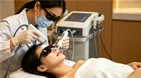

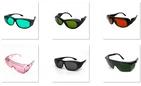

Laser Medical Treatment has been applied in many clinical departments, which not only improves the treatment effect, but also reduces the risk of complications and improves the quality of life of patients. Among them, lasers are especially widely used in ophthalmology, oncology, vascular surgery and dermatology. The following is an in-depth introduction to the application of laser in these 4 departments, and a brief summary of the application of laser in other departments.
Ophthalmology
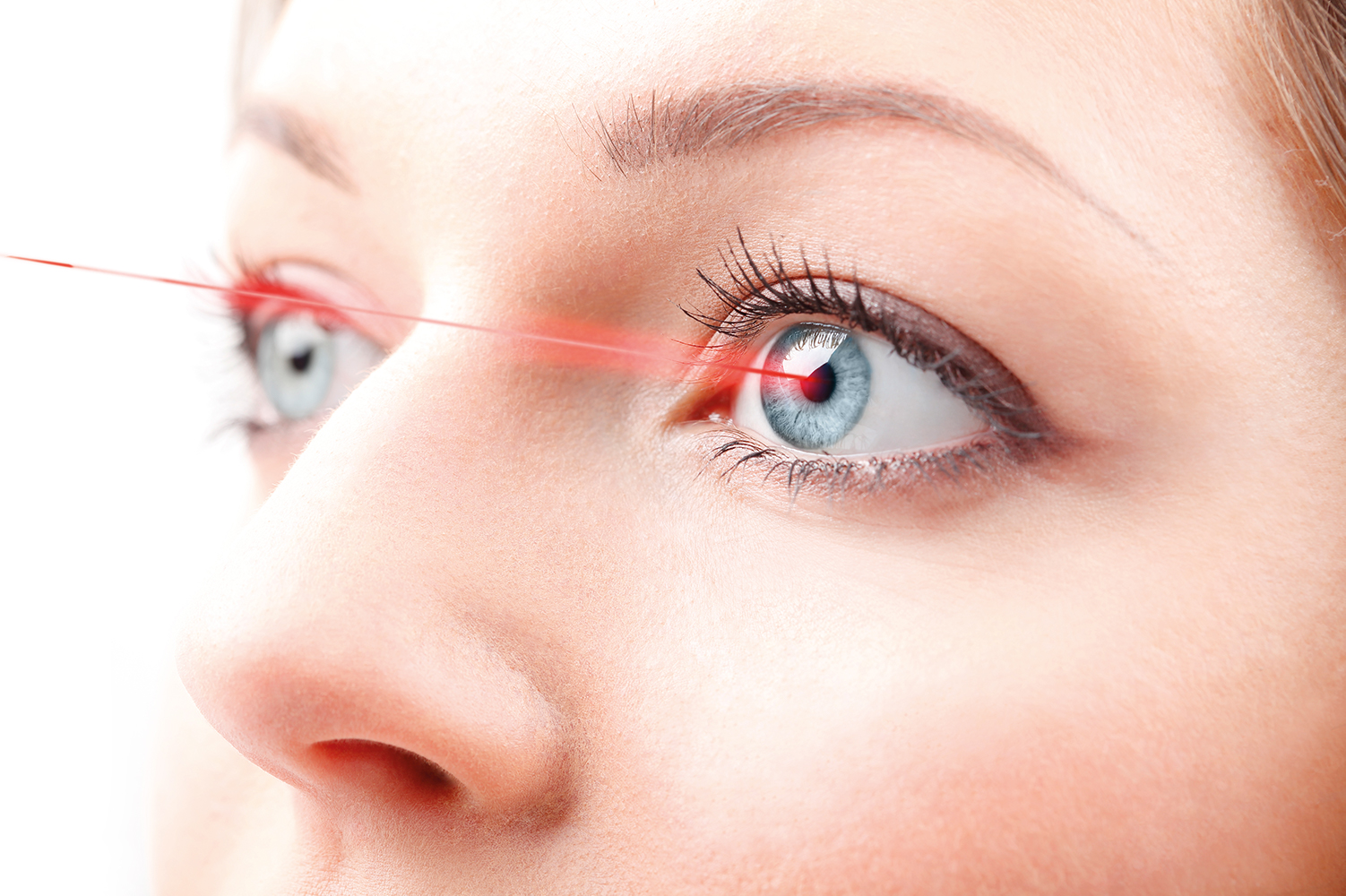
The eye is a relatively precise organ inside the human body, and it is also a good and transparent refractive system. Compared with traditional ophthalmic examination and treatment methods, laser can accurately penetrate and irradiate the point to be treated, which significantly improves the accuracy and safety of diagnosis. At present, the application of laser therapy in ophthalmology mainly focuses on the treatment of diseases such as glaucoma, retinopathy, myopia and cataract.
Nd:YAG solid-state laser is used for cyclophotocoagulation to treat glaucoma. The laser can effectively relieve intraocular pressure and treat glaucoma. A semiconductor laser with a wavelength of 810 nm is used to treat refractory glaucoma. The laser irradiation time is 2 s and the average power is 500 mW. For some patients, multiple laser treatments are required to reduce intraocular pressure.
Using anti-VEGF drugs at different times combined with 567 nm yellow laser photocoagulation in the treatment of diabetic retinopathy, the combined treatment can significantly reduce macular edema, with high safety.
Laser can also be used in the treatment of many other ophthalmology-related diseases. Nd:YAG laser lacrimal duct angioplasty is used to treat obstructive lacrimal duct diseases. It is found that laser is the best for treating nasolacrimal duct obstruction. Both bursitis and traumatic lacrimal canalicular disconnection have certain curative effect.
Oncology Department
Existing conventional treatment methods for tumors include surgery, chemotherapy and radiotherapy. However, the above treatment methods have relatively large side effects, and it is difficult to completely remove the tumor, thus easily causing recurrence. With the continuous development of lasers, compared with conventional treatment methods, laser treatment of tumors has the advantages of less bleeding, low infection rate, high surgical accuracy, short intraoperative time, and less pain for patients. It is increasingly used in clinical practice. In treatment.
The laser with a wavelength of 671 nm and a power density of 300 mW/cm2 irradiated the tumor for 15 minutes, combined with a photosensitizer to treat the tumor cells. Photodynamic therapy can effectively inhibit the growth of the tumor without damaging the adjacent normal organs. While photodynamic therapy kills tumor cells, it also causes certain damage to surrounding normal human tissue cells. Nevertheless, the death ratio of tumor cells is significantly higher than that of normal cells, so photodynamic therapy can still play an effective role in tumor treatment.
As a common symptom of vascular system disease, hemangioma is mainly manifested by the proliferation of vascular endothelial cells, and infants and young children are the main affected groups. Infrared laser with a wavelength of 810 nm is used for clinical treatment of patients with solitary choroidal hemangioma of the fundus. Local laser photocoagulation is used to diffuse heat to adjacent tissues, resulting in damage to the retina and retinal blood vessels, and damage to nerve fiber bundles and vascular hemorrhage. , stenosis and occlusion. Compared with traditional methods, laser treatment of isolated fundus choroidal hemangioma is simple, inexpensive and effective.
Nd:YAG laser with a wavelength of 1064 nm, a pulse width of 0.1-300 ms, and an energy density of 3-300 J/cm2 is used to treat infantile hemangioma patients by selectively causing thermal damage to vascular tissue and coagulation of vascular tissue. , necrosis, which can remove the hemangioma to the maximum extent while minimizing damage to the surrounding epidermis and dermal tissue.
A CO2 laser with a wavelength of 1064 nm was used to treat patients with benign laryngeal lesions. Compared with conventional surgical treatment, the use of CO2 laser treatment can save surgical costs for patients, shorten operation time, and obtain better therapeutic effects.
Bladder cancer is one of the most common malignant tumors in urology. In recent years, transurethral holmium laser, green laser, and YAG laser for bladder tumor resection have been gradually applied in clinical practice and achieved good results. Laser enucleation was performed on patients with non-muscle-invasive bladder tumors using a semiconductor laser with a wavelength of 1470 nm. During the treatment process, a laser with a power of 30 W was used to mark the tumor root or 0.3-0.5 cm around the tumor; 120-150 W was used for cutting During the operation, there is generally no bleeding during the operation. If the wound still bleeds, a 60-80 W laser can be used for vaporization electrocoagulation to stop the bleeding. Compared with traditional treatment methods, laser treatment of bladder tumors has the advantages of shorter operation time, avoidance of obturator nerve reflex, less bleeding, and complete enucleation.

Vascular Surgery
Laser thrombolysis achieves the purpose of thrombolysis by irradiating thrombus with laser to destroy the molecular bonds of biological tissues in thrombus, or directly using photothermal effect to ablate tissue. Laser thrombolysis has been widely used clinically because of its good effect, less damage to surrounding tissues, and fewer postoperative complications. The patient was treated with a semiconductor laser therapeutic instrument with a wavelength of 980 nm and a laser power of 8-12 W, and the effect was remarkable. Compared with traditional surgery, laser minimally invasive treatment has obvious advantages in terms of operation time, pain duration, pain degree and postoperative complications.
A semiconductor laser with a wavelength of 1470 nm and a laser power of 3-6 W was used to perform local laser welding repair surgery on patients with deep venous valve insufficiency of the lower extremities. The amount of drainage fluid is less, and the degree of pain is less than that of traditional methods.
Using dual-frequency interference fiber laser ultrasonic sensing technology, using a miniaturized dual-frequency fiber grating laser as a sensing unit, the ultrasonic signal is converted into a laser frequency change, and the signal is read out by optical heterodyne detection to monitor diseases in real time The change process of the blood oxygen saturation distribution in the state. as shown in picture 2.

Skin Plastic Surgery
Lasers are gradually beginning to be used in dermatology. Laser treatment can overcome the shortcomings of traditional methods and is expected to completely cure related dermatological diseases.
The use of 308 nm excimer laser in the treatment of vitiligo not only has definite clinical curative effect and less adverse reactions, but also can improve the quality of life of patients, which has high clinical application value.
The long-pulse width KTP laser with a wavelength of 532 nm has high safety and no obvious side effects in the treatment of chloasma, which provides a new treatment method for the treatment of chloasma. It is one of the effective means to treat port wine stains clinically by using pulsed dye laser with a wavelength of 585 nm. It is effective and safe to use alexandrite laser with a wavelength of 755 nm in the treatment of porokeratosis.
Acne is a common chronic inflammatory skin disease in adolescence. Candela Medical in the United States has effectively treated acne and acne with semiconductor lasers, and can significantly reduce postoperative scars[41]. Li Yang et al[42] conducted a study on 30 patients with inflammatory acne
Using Nd:YAG laser with a wavelength of 1064 nm combined with intense pulsed light can effectively treat inflammatory acne with high safety. The Er:YAG fractional laser with a wavelength of 2940 nm has a good repair effect on post-acne scars, with a short recovery period and fewer adverse reactions. The use of ultra-pulse CO2 fractional laser with a wavelength of 560-1200 nm can significantly improve the facial skin pigmentation of facial aging patients.

Contact information:
If you have any ideas, feel free to talk to us. No matter where our customers are and what our requirements are, we will follow our goal to provide our customers with high quality, low prices, and the best service.
 Email:info@loshield.com
 Tel:0086-18092277517
 Fax: 86-29-81323155
 Wechat:0086-18092277517


