


Laser cutting has revolutionized modern manufacturing, design, and prototyping. From industrial applications in automotive and aerospace engineering to creative uses in art and fashion, laser cutters offer unparalleled precision, speed, and flexibility. However, with great power comes great responsibility - and potential danger.
While laser cutters are incredibly efficient tools, they also pose significant safety hazards if not used correctly. Whether you're a hobbyist working from home or an engineer operating in a high-tech facility, understanding the risks associated with laser cutting machines is essential for protecting both your health and your workplace environment.
In this article, we will explore the primary dangers of laser cutters, including optical, thermal, electrical, chemical, and mechanical hazards. We'll also provide practical advice on how to mitigate these risks and introduce you to JTBYShield, a leading provider of laser protection solutions designed to keep users safe without compromising performance.

The Main Hazards of Laser Cutters
1. Optical Hazards: The Invisible Threat to Your Vision
One of the most critical dangers associated with laser cutters is the risk of eye injury. Lasers emit highly concentrated beams of light that can cause permanent damage to the eyes, especially the retina, even with brief exposure. Unlike visible light, certain wavelengths of laser radiation - particularly those in the infrared or ultraviolet range - may not be immediately noticeable to the human eye, making the threat all the more insidious.
Common injuries include:
Retinal burns: High-powered lasers can burn the retina instantly, leading to permanent vision loss.
Corneal damage: UV radiation can cause painful corneal abrasions or photokeratitis, similar to sunburn of the eye.
Cataracts: Long-term exposure to certain laser wavelengths may accelerate the development of cataracts.
Because the effects of laser exposure may not be felt immediately, it's crucial to wear appropriate laser safety eyewear at all times when operating or being near a laser cutter.
2. Thermal Hazards: The Risk of Burns and Fires
Laser cutters generate intense heat to vaporize or melt materials such as wood, plastic, metal, and fabric. This extreme thermal energy poses two major risks:
Skin burns: Direct contact with the laser beam or even proximity to hot surfaces can result in severe burns.
Fire hazards: Combustible materials placed too close to the laser head or left unattended during operation can ignite, potentially causing property damage or endangering lives.
To reduce thermal risks, operators should avoid touching hot components, ensure proper ventilation, and never leave a laser cutter running unattended.
3. Electrical Hazards: High Voltage Dangers
Most laser cutting machines operate using high-voltage power supplies to drive the laser diodes or tubes. Mishandling these systems can lead to:
Electric shocks: Damaged cables or exposed wiring increase the risk of electrocution.
Arc flashes: Faulty electrical connections can cause dangerous arc flashes that result in burns or explosions.
Only qualified personnel should perform maintenance or troubleshooting on laser equipment, and all users should follow strict electrical safety protocols.
4. Chemical Hazards: Toxic Fumes and Airborne Particles
The process of laser cutting often releases harmful byproducts into the air, depending on the material being cut:
Plastics: Release volatile organic compounds (VOCs) and toxic fumes like hydrogen chloride or benzene.
Metals: Produce fine particulate matter and metal oxides that can irritate the respiratory system.
Wood and fabrics: May emit smoke, formaldehyde, and other allergens.
Exposure to these substances over time can lead to chronic respiratory issues, headaches, and allergic reactions. Proper ventilation systems, air filtration units, and respiratory protection are essential to maintaining a safe workspace.
5. Mechanical Hazards: Moving Parts and Equipment Failures
Even though the laser itself is the main source of danger, the mechanical components of a laser cutter - such as moving gantries, fans, and cooling systems - can also pose physical risks. These include:
Pinch points: Where fingers or clothing can get caught between moving parts.
Flying debris: If the material being cut isn't properly secured, fragments may be ejected during operation.
Equipment malfunctions: Improperly maintained machines can fail catastrophically, posing injury risks.
Operators should always follow machine-specific safety guidelines, conduct regular inspections, and use protective barriers where applicable.

Safety Measures to Mitigate Laser Cutter Risks
Given the wide array of hazards associated with laser cutting technology, implementing robust safety measures is not optional - it's a necessity. Here are some best practices for ensuring safe laser operations:
1. Wear Appropriate Personal Protective Equipment (PPE)
The most effective way to protect yourself from optical and thermal hazards is by wearing certified laser safety glasses or face shields. These must be matched precisely to the wavelength and power level of your laser system.
Additionally, wear long sleeves, gloves, and closed-toe shoes to protect against heat and flying debris.
2. Ensure Proper Ventilation and Air Filtration
Use industrial-grade exhaust systems or air purifiers to remove smoke, fumes, and particulates from the work area. This is especially important when cutting synthetic materials or metals.
3. Follow Electrical and Fire Safety Protocols
Regularly inspect cables, connectors, and enclosures for signs of wear or overheating. Keep flammable materials away from the laser bed and have fire extinguishers rated for electrical and chemical fires readily available.
4. Maintain a Clean and Organized Workspace
Cluttered environments increase the risk of accidents. Always clear off unnecessary items from the laser bed and surrounding areas before starting a job.
5. Provide Training and Clear Operating Procedures
Ensure that all users - whether professional engineers or DIY enthusiasts - receive comprehensive training on laser safety, machine operation, emergency shutdown procedures, and first aid responses.
Introducing JTBYShield: Comprehensive Laser Protection Solutions
When it comes to laser safety, one brand stands out for its innovation, quality, and reliability: JTBYShield.
JTBYShield offers a full line of laser protection products specifically engineered to meet the needs of professionals and hobbyists alike. Their product lineup includes:
1. Laser Safety Eyewear
JTBYShield's laser safety goggles and glasses are designed with comfort, clarity, and protection in mind. Available in a variety of models tailored to specific laser wavelengths (such as CO₂, fiber, and Nd:YAG), these eyewear options feature:
High optical clarity for minimal distortion
Lightweight, ergonomic frames for extended wear
Impact-resistant lenses that meet international safety standards
Whether you're working with low-power engravers or high-power industrial cutters, JTBYShield has the right protection for you.
2. Laser Face Shields and Helmets
For full-face protection, JTBYShield offers durable face shields and helmets that combine laser filtering with impact resistance. These are ideal for environments where multiple hazards exist, such as welding and laser cutting combined operations.
3. Laser Shielding Curtains and Barriers
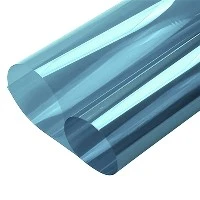
JTBYShield also provides flexible laser shielding curtains made from specialized materials that block stray laser beams while allowing visibility. These are perfect for partitioning workspaces or creating enclosed laser cutting zones.
4. Customized Solutions for Industrial Clients
Large-scale manufacturers can take advantage of JTBYShield's ability to create custom laser protection systems, including integrated enclosure panels, viewing windows, and operator booths that maintain visibility while ensuring safety.

Why Choose JTBYShield?
There are several reasons why JTBYShield has become the go-to choice for laser protection:
✅ Compliance with International Standards
All JTBYShield products are tested and certified to meet or exceed global safety regulations, including ANSI Z136.1, EN 207/208, and ISO standards.
✅ Advanced Lens Technologies
Their lenses use proprietary coatings that filter out harmful wavelengths while preserving natural color perception and visual acuity.
✅ Durability and Comfort
Designed for real-world use, JTBYShield gear balances durability with user comfort, ensuring that workers can focus on their tasks without distraction or discomfort.
✅ Wide Range of Applications
From educational labs to heavy-duty manufacturing plants, JTBYShield's products serve a diverse clientele across industries such as healthcare, defense, electronics, and education.
✅ Positive User Feedback
Customers consistently praise JTBYShield for its responsive customer service, fast shipping, and exceptional product performance. Many report improved productivity and reduced downtime due to enhanced safety measures.
Conclusion: Prioritize Laser Safety with JTBYShield
Laser cutters are powerful tools that can significantly enhance productivity and creativity - but only when used safely. The five main hazards - optical, thermal, electrical, chemical, and mechanical - each require careful attention and proactive mitigation strategies.
By following proper safety protocols and investing in high-quality protective equipment, you can minimize risks and enjoy the full benefits of laser cutting technology.
If you're looking for reliable, certified, and comfortable laser protection, look no further than JTBYShield. With a wide selection of laser safety eyewear, face shields, and environmental protection systems, JTBYShield ensures that every user - from beginners to experts - can work confidently and securely.
Don't compromise on safety. Visit JTBYShield.com today to explore their full range of laser protection products and find the right solution for your needs.
FAQs About Laser Cutter Hazards
Q: What is the most dangerous part of a laser cutter?
A: The laser beam itself is the most dangerous component, as it can cause irreversible eye damage or skin burns upon exposure.
Q: Can I use regular sunglasses instead of laser safety glasses?
A: No. Regular sunglasses do not filter out harmful laser wavelengths and offer little to no protection.
Q: Are laser fumes dangerous?
A: Yes. Depending on the material being cut, laser fumes can contain toxic gases and fine particles that pose serious respiratory risks.
Q: Do I need a license to operate a laser cutter?
A: In many jurisdictions, especially for Class 3B and Class 4 lasers, formal training and certification are required before operation.
Q: How often should I replace my laser safety glasses?
A: Replace them if scratched, damaged, or outdated based on the manufacturer's recommended lifespan.