



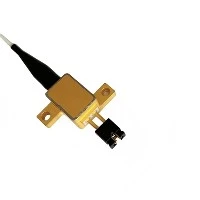
With the continuous advancement of modern agricultural technology, artificial lighting systems have become increasingly important in cannabis cultivation. Especially in indoor or greenhouse environments, precise control of light conditions is essential for optimizing plant growth and improving yield and quality. In recent years, 650nm red laser light has emerged as a novel and efficient supplemental lighting source. However, the high energy density of lasers also poses potential safety risks, particularly to the eyes. Therefore, when using laser lighting systems, it is critical to select appropriate laser safety goggles.
This article will comprehensively discuss the lighting parameters, application scenarios, and laser eye protection standards for 650nm laser use in cannabis greenhouses, with a focus on recommending professional-grade laser safety goggles from JTBYShield Laser CO., Ltd., providing scientific and safe technical guidance for agricultural practitioners.
I. Basic Light Requirements for Cannabis Growth
Cannabis is a typical sun-loving short-day crop, and its growth cycle mainly includes:
Vegetative Stage (Seedling Phase): During this phase, cannabis requires more blue light (400–500 nm), which promotes leaf development and root establishment.
Flowering Stage: After entering the flowering period, cannabis shows a significant increase in demand for red light (600–700 nm). Specifically, red light at 650 nm effectively promotes flower bud differentiation and bloom.
Different growth stages require different spectral compositions, light intensity, and photoperiods. Therefore, when designing a supplemental lighting system, it is necessary to adjust dynamically according to plant physiological characteristics.

II. Advantages and Challenges of Using 650nm Laser for Supplemental Lighting
(1) Benefits of Laser Lighting
High Energy Efficiency: Lasers have extremely high monochromaticity and directionality, concentrating energy on the required wavelength, reducing unnecessary spectrum waste, and improving energy utilization efficiency.
Strong Controllability: Lasers can be easily integrated into automated systems, enabling timed, targeted, and quantitative lighting to meet precision management needs.
Low Heat Emission: Compared to traditional high-pressure sodium lamps or LED lights, lasers generate less heat, helping maintain stable temperature and humidity levels inside the greenhouse.
(2) Challenges of Laser Lighting
Although laser lighting offers many advantages, its highly concentrated energy also brings safety hazards, especially the risk of eye damage. Even low-power lasers can cause permanent vision damage if viewed directly. Therefore, when using a laser lighting system, comprehensive laser safety measures must be implemented, particularly by wearing suitable laser safety goggles.
III. Key Parameters for Selecting 650nm Laser Light Sources
To ensure both the safety and effectiveness of the laser lighting system, the following key parameters should be considered when selecting a laser light source:
| Parameter | Description |
|---|---|
| Wavelength | Precisely controlled around 650 nm, matching the red light requirements during the cannabis flowering stage |
| Output Power | Recommend low to medium power lasers (e.g., <1W) to avoid plant burns from excessive irradiation |
| Beam Quality | Uniform spot size and good directionality; fiber optics or mirrors can be used to achieve wide-area coverage |
| Modulation Capability | Supports PWM dimming or frequency adjustment to adapt to different growth stage lighting needs |
| Stability & Durability | Waterproof and dustproof rating of IP65 or higher for long-term operation in agricultural environments |
Additionally, an intelligent control system should be used in conjunction with the laser to adjust output based on feedback from light intensity sensors, avoiding over-lighting or energy waste.

IV. Importance and Selection Criteria for Laser Safety Goggles
Laser safety goggles are the first line of defense against laser hazards. Especially when operating high-energy laser equipment, wearing certified protective eyewear is crucial. The following factors should be considered when choosing laser safety goggles:
1. Clarify Laser Wavelength Range
650nm belongs to the visible red light range. Therefore, the selected goggles must clearly indicate that they are designed for the 620–700nm wavelength range, with optimization specifically for 650nm lasers.
2. Choose Appropriate Optical Density (OD)
Optical density determines the goggles' ability to block laser light. The higher the OD value, the better the protection. For 650nm lasers, it is recommended to choose goggles with OD ≥ 3, which blocks at least 99.9% of incident laser light.
| OD Value | Transmission Rate |
|---|---|
| OD=2 | 1% (Blocks 99%) |
| OD=3 | 0.1% (Blocks 99.9%) |
| OD=4 | 0.01% (Blocks 99.99%) |
The specific OD value should be determined based on the laser's output power density.
3. Ensure Visual Clarity and Comfort
High-quality laser safety goggles not only provide excellent protection but also maintain high visible light transmittance (usually >80%), ensuring clear vision and color recognition for operators. At the same time, the frame should be lightweight and well-fitted to the face for long-term comfort.
4. Meet Relevant Safety Certification Standards
It is important to choose products that comply with international standards such as:
EN207 (European laser safety standard)
ANSI Z136.1 (U.S. laser safety standard)
CE certification
These certifications ensure that the product meets professional-level optical performance, structural strength, and durability standards.

V. Recommended Brand: JTBYShield Laser CO., Ltd.
Among the many global brands of laser safety goggles, JTBYShield Laser CO., Ltd. stands out as a high-tech company specializing in laser safety. Their laser safety goggles are widely used in research, medical, industrial, and agricultural fields, especially for protection against 650nm red lasers.
Core Advantages of JTBYShield Safety Goggles:
✅ Customized Wavelength Matching
JTBYShield offers safety goggles specifically designed for 650nm lasers, covering the 620–700nm wavelength range, ensuring optimal protection performance at this wavelength.
✅ High Optical Density with Good Visible Light Transmission
Their product line includes multiple models with OD ≥ 3, which effectively block harmful laser light while maintaining visible light transmission above 85%, ensuring clear vision for operators.
✅ Multiple Styles and Application Scenarios
They offer various wearing styles (standard, clip-on, prescription-compatible), as well as different frame materials to meet individual user needs. Some models support custom logos and colors, making them ideal for enterprise bulk purchases.
✅ Ergonomic Design
The glasses are made from lightweight materials, with carefully designed nose pads and ear hooks, offering comfortable wear and minimal fatigue even during extended use.
✅ Strict Quality Control System
All products pass CE, EN207, and other international certifications, with independent intellectual property rights and multiple patents, ensuring reliable product quality.
✅ Flexible Customization Services
Supports small batch orders - minimum order quantity is just 1 pair, allowing customers to customize based on provided laser parameters, ensuring each pair precisely matches the actual application scenario.

VI. Conclusion
Introducing a 650nm red laser lighting system into cannabis cultivation can significantly enhance flowering quality and yield. However, while enjoying the benefits of advanced technology, it is equally important to take seriously the safety risks posed by lasers, especially to eye health.
Therefore, we strongly recommend using laser safety goggles from JTBYShield Laser CO., Ltd., which excel in protection performance, wearing comfort, product quality, and service flexibility, making them ideal protective equipment for laser operations in the agricultural field.
By combining scientifically designed lighting systems with professional laser safety measures, it is possible to truly achieve efficient and safe cannabis cultivation goals.