



Laser technology has revolutionized numerous fields since its inception, providing unparalleled precision and efficacy. Among the diverse types of lasers, the Alexandrite laser has garnered significant attention, particularly in the medical and cosmetic sectors. This document aims to delve deeply into the Alexandrite laser, exploring its scientific principles, applications, safety measures, and future prospects.
2. What is Alexandrite Laser?
2.1 Historical Background
The Alexandrite laser, named after the mineral Alexandrite used as its lasing medium, was developed based on the ruby laser technology discovered by Theodore Maiman in 1960. Alexandrite lasers were introduced into the market in the late 1980s and have since evolved, benefiting from continuous advancements in laser technology and medical applications.
|
|
|
|
|
|
2.2 Scientific Principles
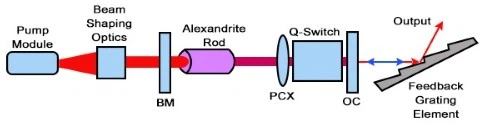
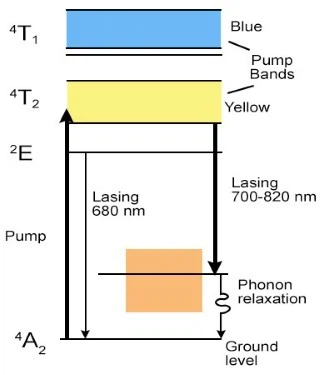
The principles underlying Alexandrite lasers are rooted in quantum mechanics and photonics. The lasing medium, Alexandrite crystal (BeAl₂O₄ with Cr³⁺), is responsible for the unique wavelength output of approximately 755 nanometers. This wavelength sits in the infrared spectrum, making it highly effective for targeting melanin in biological tissues.
Stimulated Emission: When the Alexandrite crystal is energized by an external light source (flashlamp or diode laser), electrons in the chromium ions are excited to a higher energy state. Upon returning to their original state, they emit photons of a specific wavelength (755 nm).
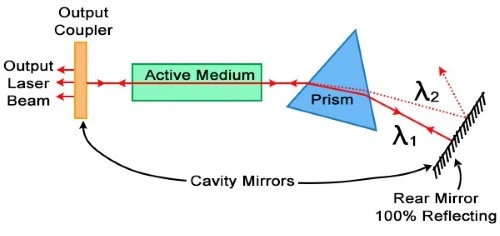
Laser Resonator: The emitted photons are amplified within a resonator cavity comprising two mirrors, one fully reflective and the other partially reflective, facilitating the formation of a coherent, monochromatic laser beam.
2.3 Modes of Operation
Alexandrite lasers can function in both continuous-wave (CW) and pulsed modes, offering versatility for various applications.
Continuous-Wave Mode: In this mode, the laser emits a constant beam of light, suitable for applications requiring steady energy delivery.
Pulsed Mode: The laser emits light in pulses, ranging from microseconds to nanoseconds, ideal for applications needing high peak power without causing extensive thermal damage to surrounding tissues.
3. Applications of Alexandrite Laser
3.1 Medical and Cosmetic Applications
The Alexandrite laser is predominantly employed in the medical and cosmetic industries, where its precision and effectiveness have made it a preferred choice for various treatments.
Hair Removal: Alexandrite lasers are highly effective for laser hair removal. By targeting the melanin in hair follicles, the laser saps the follicles' ability to produce hair, thereby reducing hair growth over time. This treatment is particularly effective for individuals with lighter skin tones and darker hair, as the contrast makes it easier for the laser to differentiate between the skin and hair pigment.
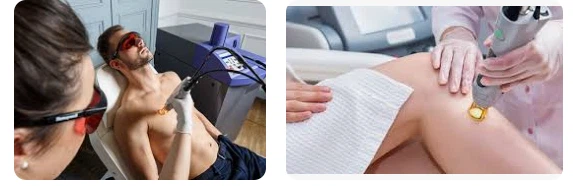
Pigment and Vascular Lesion Removal: Pigmented lesions, such as age spots, freckles, and sun spots, can be treated effectively with Alexandrite lasers. The laser's wavelength is well-absorbed by melanin, making it ideal for breaking down these pigmented areas without significant damage to surrounding tissues. Similarly, it is effective for the treatment of vascular lesions, such as spider veins, by heating and collapsing the targeted veins.
Tattoo Removal: The Alexandrite laser is also a popular choice for tattoo removal. Its strong absorption by dark tattoo inks, particularly black and green, allows it to break down the ink particles, which are then metabolized by the body's immune system.
Dermatological Treatments: Alexandrite lasers are employed in skin resurfacing treatments to address conditions such as acne scars, fine lines, and wrinkles. The laser promotes collagen remodeling and skin rejuvenation, leading to improved skin texture and tone.
3.2 Optical Communication
Beyond medical and cosmetic applications, Alexandrite lasers are sometimes used in scientific research and optical communication. Due to their tunability over a broad range of wavelengths (700–820 nm), they are valuable in spectroscopy and other applications requiring precise wavelength control.
4. Protective Measures When Using Alexandrite Lasers
The power and precision of Alexandrite lasers necessitate strict adherence to safety protocols to prevent injuries and ensure safe operation.
4.1 Eye Protection
Laser Safety Goggles: The primary safety concern when operating Alexandrite lasers is eye protection. Both operators and patients must wear laser safety goggles designed to filter out the specific wavelength (755 nm) of the Alexandrite laser. These goggles prevent retinal damage, which can result from direct or reflected laser exposure.
Controlled Environment: Procedures involving Alexandrite lasers should be conducted in controlled settings with restricted access to prevent unauthorized entry and accidental exposure to laser radiation.
4.2 Skin Protection
Cooling Systems: To protect the patient's skin during treatments, cooling systems are frequently used. These can include cryogen sprays, contact cooling through chilled tips, or air cooling systems. Cooling helps to mitigate the heat generated by the laser, reducing the risk of burns and enhancing patient comfort.
Topical Gels: Another method to protect the skin involves applying cooling gels directly to the treatment area. These gels serve as a barrier, helping to dissipate heat more effectively and reducing the likelihood of skin damage.
4.3 Ventilation and Environmental Safety
Smoke Evacuation Systems: The process of laser treatment, especially during tattoo removal, can produce smoke plumes containing potentially hazardous particles. Installing smoke evacuation systems in the treatment room ensures these are effectively removed, maintaining a safe environment for both the patient and operator.
Proper Signage: Clearly marked warning signs should indicate that a laser is in use. This precaution helps prevent accidental exposure and alerts individuals to wear appropriate protective equipment before entering the area.
4.4 Operational Training
Certified Training Programs: Operators of Alexandrite lasers must undergo thorough training and certification. These programs should cover the laser's functionality, proper usage techniques, and safety protocols. Well-trained personnel are crucial to minimizing risks and improving treatment outcomes.
Regular Competency Assessments: Periodic evaluations and refresher courses ensure operators maintain a high level of competency and remain updated on the latest safety procedures and technological advancements.
4.5 Room Precautions
Controlled Access: Procedures involving Alexandrite lasers should be carried out in areas with controlled access to prevent unauthorized entry. Access control systems and interlocks can help maintain a safe environment.
Fire Safety: Given the high energy levels of lasers, having a fire extinguisher specifically rated for electrical fires is essential. All personnel should be trained in emergency fire response.
First Aid: A well-equipped first aid kit and personnel trained in basic first aid practices are crucial. Immediate response to burns or other injuries can mitigate the severity and lead to better outcomes.

5. Future Developments and Innovations
5.1 Technological Advancements
Enhanced Beam Quality: Future advancements may focus on improving the beam quality of Alexandrite lasers. Enhanced coherence and focus could lead to even more precise targeting, reducing collateral damage and improving treatment efficacy.
Integration with AI: Integrating artificial intelligence with laser systems promises to revolutionize treatment protocols. AI could analyze skin types, predict outcomes, and customize treatment settings in real-time, optimizing results and increasing safety.
Miniaturization: There is ongoing research aimed at reducing the size of laser systems. Compact, portable Alexandrite lasers would facilitate their use in various clinical settings, potentially expanding their accessibility.
5.2 Expanded Applications
Medical Diagnostics: Future applications might see Alexandrite lasers being used for diagnostic purposes, such as imaging and detecting subdermal conditions, given their precise wavelength and penetration capabilities.
New Therapeutic Uses: Research is exploring the use of Alexandrite lasers in novel therapeutic applications, including in oncology for targeting tumors, in ophthalmology for correcting refractive errors, and in dental procedures for more precise cavity preparations.
6. Case Studies and Clinical Research
6.1 Clinical Efficacy in Hair Removal
Long-Term Studies: Numerous clinical studies have demonstrated the long-term efficacy of Alexandrite lasers in hair removal. For example, a comprehensive study involving 500 participants showed a significant reduction in hair growth after a series of treatments, with minimal adverse effects.
Patient Satisfaction: Surveys and patient feedback consistently rate Alexandrite laser hair removal highly in terms of satisfaction due to its effective results and minimal discomfort when compared to other methods.
6.2 Advances in Tattoo Removal
Multi-Wavelength Approach: Research indicates that combining Alexandrite lasers with other wavelengths (e.g., Nd:YAG, Q-switched lasers) can enhance tattoo removal outcomes for multicolored tattoos. This combined approach facilitates better ink breakdown and clearance.
Safety and Efficacy: Case studies have shown that Alexandrite lasers are effective in reducing dark tattoo inks with fewer sessions required compared to older methods, and with a satisfactory safety profile when appropriate precautions are observed.
6.3 Treatment of Pigmented Lesions
Comparative Studies: Comparative clinical trials have indicated that Alexandrite lasers outperform other laser types in treating certain pigmented lesions, particularly due to their specific wavelength which is optimally absorbed by melanin.
Long-Term Outcomes: Studies have tracked the long-term outcomes of lesion treatments, showing sustained improvement in skin appearance and minimal recurrence of pigmentation when treated with Alexandrite lasers.
7. Economic and Market Implications
7.1 Market Growth
Increasing Demand: The global market for Alexandrite lasers is projected to grow significantly, driven by the rising demand for non-invasive cosmetic procedures and the expanding applications in medical treatments. The increasing awareness and acceptance of laser-based treatments among both medical professionals and the general public contribute to this growth.
Technological Innovation: Continued advancements in laser technology, such as better cooling systems, enhanced precision, and integration with AI, are likely to fuel market expansion. Companies investing in research and development to innovate their laser technologies will likely capture greater market share.
7.2 Economic Impact
Cost of Treatments: Although Alexandrite laser treatments can be relatively expensive, the long-term benefits and effectiveness often justify the cost. The reduction in hair growth, pigmentation issues, and other skin conditions typically leads to fewer treatments over time, offering cost savings for patients.
Healthcare Facilities: Adoption of Alexandrite lasers in healthcare facilities can lead to an increase in service offerings, drawing in a clientele seeking specific dermatological and cosmetic services. This expansion can significantly boost revenue for clinics and hospitals.
7.3 Market Challenges
High Initial Investment: The cost of acquiring and maintaining Alexandrite laser systems can be a barrier for smaller clinics and new entrants into the market. This high initial investment requires careful consideration of potential return on investment and patient demand.
Regulatory Compliance: Navigating regulatory requirements for medical devices can be complex and time-consuming. Ensuring compliance with safety standards and obtaining necessary certifications are essential steps that can pose challenges for manufacturers and healthcare providers.
8. Safety Standards and Regulatory Compliance
8.1 International Standards
ISO and IEC Standards: Alexandrite lasers for medical and cosmetic use must adhere to international standards set by organizations such as the International Organization for Standardization (ISO) and the International Electrotechnical Commission (IEC). These standards govern aspects like safety protocols, performance requirements, and risk management.
FDA Approval: In the United States, the Food and Drug Administration (FDA) regulates medical devices, including Alexandrite lasers. Devices must undergo rigorous testing and clinical trials to demonstrate their safety and efficacy before receiving FDA approval.
8.2 Local Regulations
National Health Authorities: Different countries have specific health authorities responsible for regulating medical devices. For instance, the European Medicines Agency (EMA) oversees device approval in the EU, while the Medicines and Healthcare products Regulatory Agency (MHRA) does so in the UK. Compliance with these bodies' regulations is mandatory for market entry.
Certification and Training: Alongside device regulations, operators must often meet certification requirements. Training programs need to comply with local healthcare regulations, ensuring practitioners are well-versed in the safe and effective use of Alexandrite lasers.

9. Detailed Case Studies
9.1 Hair Removal
Study Design: A multi-center study involving 600 participants compared the efficacy and safety of Alexandrite laser hair removal with other laser types over a one-year period. Participants received six treatment sessions, spaced six weeks apart.
Results: The study concluded that the Alexandrite laser provided superior hair reduction (over 80% reduction in treated areas) compared to Nd:YAG and Diode lasers. Patients reported lower discomfort levels due to the cooling systems integrated into Alexandrite laser devices.
Safety Profile: Minimal side effects were observed, with temporary redness and swelling being the most common, resolving within a few hours to two days post-treatment. No long-term adverse effects were reported.
9.2 Tattoo Removal
Methodology: In a study evaluating tattoo removal efficacy, 200 participants with multicolored tattoos underwent treatment sessions using Alexandrite lasers alone and in combination with Q-switched lasers. Tattoos included a mix of ink colors, including black, blue, green, and red.
Findings: Alexandrite lasers showed high efficacy in removing black and green inks, with an average of 6-8 sessions required for significant fading. However, when combined with Q-switched lasers, the removal of multicolored tattoos improved, demonstrating better results for red and blue inks as well.
Patient Experience: Participants generally reported high satisfaction levels, noting the significant improvement in tattoo fading. Pain management was handled effectively with local anesthetics and cooling measures.
10. Training and Education
10.1 Operator Training
Comprehensive Programs: Effective operator training programs are essential for safe and effective Alexandrite laser use. These programs should cover theoretical knowledge about laser physics, system operation, and patient selection criteria. Hands-on training is crucial, providing operators with practical experience in using the laser for various procedures.
Certification: Upon completion of training, operators should earn certification from recognized bodies, indicating their competency in using Alexandrite lasers.
10.2 Patient Education
Informed Consent: It is imperative for healthcare providers to educate patients about the Alexandrite laser treatment process, potential risks, expected outcomes, and aftercare instructions. This ensures that patients make informed decisions about their treatment and are prepared for any associated side effects or required post-treatment care.
Realistic Expectations: Patients should be counseled on the realistic outcomes of their treatments, including the number of sessions needed, possible discomfort during and after the procedure, and the timeline for visible results. Managing patient expectations helps to foster satisfaction and trust in the treatment process.
Future Outlook and Advancements
11.1 Technological Advancements Future innovations in Alexandrite laser technology are likely to focus on enhancing precision, reducing side effects, and improving user comfort. Developments may include more efficient cooling systems, refined beam targeting technologies, and the integration of advanced imaging systems to guide treatment.
11.2 Expansion of Applications
As research continues, the application of Alexandrite lasers may expand into new areas of medicine and cosmetic treatment. Potential growth areas could include the treatment of additional skin conditions, non-invasive surgical procedures, or combination therapies with other technologies for enhanced outcomes.
11.3 Market Projections
The global market for Alexandrite lasers is projected to continue growing, driven by increasing demand for aesthetic procedures and the ongoing expansion of medical applications. Investment in research and development, along with a focus on training and education, will be crucial for companies to capture and maintain market share in this competitive environment.
In conclusion, using Alexandrite lasers in medical and cosmetic applications offers significant benefits and continues to evolve with technological advancements. While there are challenges related to cost and regulatory compliance, the positive impact on patient outcomes and the expanding range of treatments highlight the importance of this technology in modern healthcare and aesthetic practices. Ongoing research, operator training, and patient education will be vital for the continued success and safe adoption of Alexandrite laser technology.