

In the realm of laser safety, where the potential for ocular and skin damage is ever-present, the importance of laser protective panels cannot be overstated. These panels serve as essential components in ensuring the safety of individuals working in environments where lasers are used. With the increasing use of lasers across various industries, the need for robust and reliable protective measures has become more pressing than ever before. This article delves into the multifaceted applications of laser protective panels, exploring their significance in maintaining a secure workspace while allowing for the advancement of laser technology.
The Importance of Laser Protective Panels:
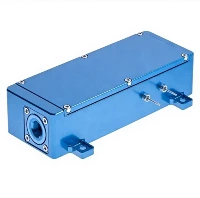
Laser protective panels are specially designed to withstand the intensity of laser radiation without compromising their structural integrity or functionality. They play a crucial role in establishing a safe working environment by providing a physical barrier between personnel and potentially harmful laser beams. These panels are engineered to absorb, reflect, or scatter laser light, minimizing the risk of accidental exposure to direct or reflected beams.

Applications in Healthcare:
One of the most prominent applications of laser protective panels is in the healthcare sector, particularly in surgical procedures that utilize lasers for precision cutting and coagulation. Surgical theaters are equipped with laser protective walls and ceiling panels to shield medical staff from stray laser beams during complex operations. These panels must comply with stringent safety regulations, such as those outlined in ANSI Standard Z136.1, to ensure they provide adequate protection against specific wavelengths used in medical lasers.
Industrial Uses:
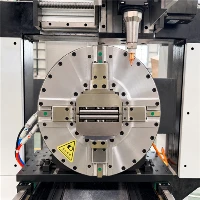
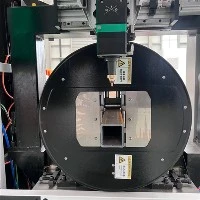
The manufacturing industry also heavily relies on laser protective panels to safeguard workers engaged in laser cutting, welding, and engraving processes. These panels are installed around laser workstations to create designated laser-safe areas, limiting the exposure of employees to laser emissions. Additionally, panels within these areas may feature interlock systems that prevent laser activation if any panel is compromised or removed, adding an extra layer of safety.
Research and Scientific Settings:
In scientific research facilities, laser protective panels are essential for laboratories conducting experiments with high-power lasers. These panels protect researchers from accidental exposure while allowing them to perform delicate experiments without fear of external interference. The material composition of these panels enables them to withstand intense heat and electromagnetic radiation, making them ideal for shielding against powerful lasers used in quantum physics, materials science, and other advanced fields.
Defense and Aerospace:
The defense and aerospace industries utilize lasers for a wide range of applications, including target designation, rangefinding, and even as weapons systems. Laser protective panels are integral in these sectors to protect personnel from both intentional and unintentional laser strikes. These panels are designed to withstand extremely high energy outputs and are often integrated into aircraft, vehicles, and installations where laser threats are a significant concern.

Cultural and Entertainment Industries:
Lasers have become commonplace in modern entertainment, particularly in live performances and nightclubs. Laser protective panels are strategically placed to protect performers and technicians from the intense beams projected during shows. These panels must not only provide safety but also maintain optical clarity to avoid affecting the visual quality of the performance. Specialized materials that minimize optical distortion are favored in these settings.
Standards and Certifications:
Ensuring the effectiveness of laser protective panels involves adhering to international standards and certifications. Manufacturers are required to test their products using ASTM and IEC standards to verify their protective capabilities against stated laser wavelengths and power levels. Certification marks such as UL recognition indicate that a product has undergone rigorous testing and meets industry-accepted safety criteria.
Conclusion:
As the applications for laser technology continue to expand, the role of laser protective panels becomes ever more vital. From healthcare to defense, and from research to entertainment, these panels serve as critical components in mitigating the risks associated with laser use. Ongoing innovation in materials and designs ensures that laser protective panels keep pace with technological advancements, offering improved protection and usability. By prioritizing safety through the judicious use of laser protective panels, industries can harness the benefits of laser technology while safeguarding the well-being of all personnel involved.