



In the realm of laser safety, one of the most critical pieces of personal protective equipment (PPE) is the humble laser safety goggle. These specialized goggles serve as a frontline defense against ocular injuries caused by high-intensity light beams. However, like any other safety gear, they have a finite service life that depends on various factors. Understanding the lifespan of your laser safety goggles and when to replace them is crucial for maintaining the highest level of eye protection.
The Importance of Laser Safety Goggles:
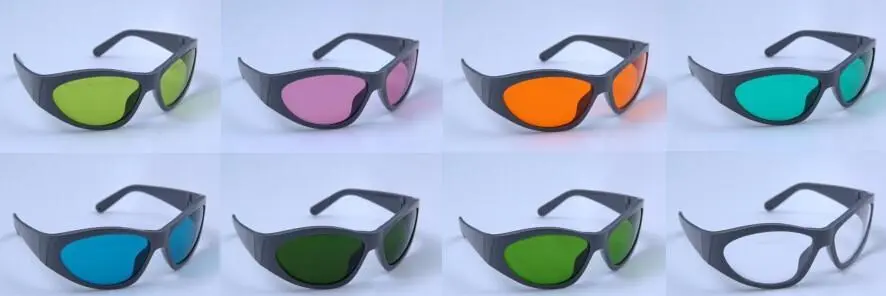
Laser safety goggles are designed to shield the eyes from potentially damaging laser radiation across specific wavelengths. They play a vital role in preventing injuries in industrial, scientific, medical, and even recreational settings where lasers are used. Proper use of these goggles helps preserve visual acuity and overall eye health, making them an indispensable tool for anyone working with lasers.
Factors Affecting the Lifespan of Laser Safety Goggles:
1. Frequency of Use: Regular use can lead to wear and tear, diminishing the effectiveness of the goggles over time. For instance, laser goggles that are subjected to repeated use in high-power laser environments may need more frequent replacement than those used in low-power applications.
2. Care and Maintenance: Proper cleaning and storage significantly extend the lifespan of laser safety goggles. Neglecting maintenance can lead to premature degradation. For example, using isopropyl alcohol to clean lenses can damage anti-reflective coatings, reducing visual clarity and protective capabilities.
3. Exposure to Environmental Conditions: Extreme temperatures, UV rays, and chemical exposure can degrade the materials used in the construction of the goggles. Laser safety goggles should ideally be stored in environments with controlled humidity and temperature to avoid material degradation.
4. Manufacturing Date: Like many products, laser safety goggles have a shelf life. Even if not used, the materials can degrade over time due to long-term exposure to storage conditions. A general rule is that goggles have a lifespan of approximately 5 years from the manufacturing date if properly maintained.
5. Regulatory Compliance: Changes in safety standards may render older goggles obsolete, necessitating their replacement to meet current regulations. For example, updates to ANSI Z136.1 or IEC 62821 standards may introduce new requirements for laser eye protection.

Determining When to Replace Laser Safety Goggles:
1. Scratches or Damage: Any visible signs of damage such as scratches or cracks can compromise the integrity of the goggles, requiring immediate replacement. Scratches can scatter laser light, creating areas of increased intensity that can damage the retina.
2. Deterioration of Comfort Features: Foam padding or adjustable straps showing signs of wear can affect the comfort and therefore the proper wearing of the goggles. This can lead to gaps that allow laser light to penetrate.
3. Fading or Discoloration: If the lenses or frames show signs of fading or discoloration, it might indicate a loss of protective capabilities. Discoloration can be an indicator of lens degradation, which may reduce the optical density of the material.
4. Changes in Standards: Stay updated with the latest ANSI/IEC standards to ensure your goggles meet current requirements for protection. New standards may specify higher optical density requirements or additional wavelength coverage.
5. Routine Inspections: Regularly inspect your goggles for any signs of wear or damage and perform necessary tests to verify their optical density and wavelength protection. Testing should be done using certified equipment to ensure accurate results.
Best Practices for Extending the Life of Your Goggles:
1. Regular Cleaning: Use appropriate methods to clean your goggles without damaging the lenses or frames. Always follow the manufacturer's instructions for cleaning and maintenance.
2. Proper Storage: Store goggles in a clean, dry place away from direct sunlight and extreme temperatures to avoid material degradation. Avoid storing goggles in areas with high humidity, which can lead to mold growth on the foam padding.
3. Avoid Chemical Exposure: Keep goggles away from corrosive substances that could damage the materials. Some chemicals can degrade the plastic materials used in goggle frames or lens coatings.
4. Use Certified Products: Opt for goggles certified by recognized testing organizations to ensure they meet industry standards. Look for certifications from organizations such as ANSI, FDA, or CE.
5. Label Protection: Make sure labeling is intact, indicating the goggles' optical density and the wavelengths they protect against. Labels also provide important information on the care and storage of the goggles.
Conclusion:
Laser safety goggles are an essential piece of equipment that must be replaced periodically to maintain optimal protection. By understanding and monitoring the factors affecting their service life, users can ensure they are always using goggles that provide the necessary level of eye protection. Remember, when in doubt about the condition of your laser safety goggles, err on the side of caution and replace them. Stay informed, stay safe, and always prioritize eye protection in your laser work environment.