



As the use of lasers in aesthetic medicine continues to expand-ranging from pigment correction and hair removal to skin resurfacing-the importance of laser safety training cannot be overstated. Among the most critical components of this training is laser protection, which encompasses measures to safeguard patients, operators, and bystanders from unintended exposure. Unlike surgical or industrial lasers, cosmetic lasers are often used in outpatient settings where safety protocols may be overlooked. This section outlines essential laser protection practices that must be integrated into every cosmetic laser safety training program.
1. Understanding Laser Hazards in Aesthetic Settings
Cosmetic lasers pose several types of hazards, with eye injury being the most serious:
Ocular injury:
Visible and near-infrared lasers (e.g., 532 nm, 755 nm, 1064 nm) can penetrate to the retina, causing permanent burns or vision loss-even from diffuse reflections.
Far-infrared lasers (e.g., CO₂ at 10,600 nm) are absorbed by the cornea, risking painful corneal lesions.
Skin injury:
Accidental exposure to high-fluence beams can cause burns, hyperpigmentation, or scarring-especially in darker skin types if incorrect settings are used.
Fire and plume hazards:
High-energy ablative lasers (e.g., CO₂) can ignite drapes, gauze, or alcohol-based prep solutions. Laser-generated airborne contaminants (LGACs) from vaporized tissue also require ventilation or filtration.

2. The Three Pillars of Laser Protection
Effective laser protection in cosmetic practice rests on three foundational elements:
A. Personal Protective Equipment (PPE)
Must be wavelength-specific (e.g., OD 4+ at 1064 nm for Nd:YAG lasers).
Optical Density (OD) must be sufficient to reduce beam intensity below Maximum Permissible Exposure (MPE) levels.
Goggles must fit securely, provide side protection, and be worn by everyone in the treatment room-including the patient, operator, and assistants.
Protective Drapes and Barriers:
Use non-reflective, fire-resistant materials to cover non-target areas, especially near the eyes during periorbital treatments.
B. Controlled Treatment Environment
Designated Laser Room:
Clearly marked with "Laser in Use" warning signs on the door.
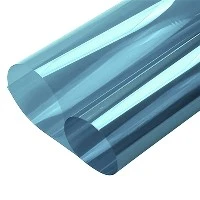
Windows covered with laser-blocking film or curtains if the wavelength can transmit through glass.
Reflective surfaces (jewelry, instruments, mirrors) minimized or removed.
Access Control:
Only trained personnel and the patient should be present during activation. Doors must remain closed during operation.
C. Administrative & Procedural Controls
Standard Operating Procedures (SOPs):
Include pre-treatment safety checks, key control (only authorized users can operate), and emergency shutdown steps.
Role of the Laser Safety Officer (LSO):
Even in small clinics, a designated LSO (often the supervising physician or senior technician) must oversee compliance, equipment maintenance, and incident reporting.

3. Special Considerations for Common Cosmetic Lasers
| Laser Type | Key Wavelength(s) | Primary Eye Risk | Protection Focus |
|---|---|---|---|
| Alexandrite | 755 nm | Retinal | OD-rated goggles for 755 nm; avoid reflective surfaces |
| Nd:YAG | 1064 nm | Retinal (deep penetration) | High-OD goggles; extra caution with darkly pigmented eyes |
| Pico Lasers | 532/755/1064 nm | Retinal | Multi-wavelength protection if device emits multiple lines |
| CO₂ Laser | 10,600 nm | Corneal | Specialized IR-blocking goggles; metal eye shields for periocular work |
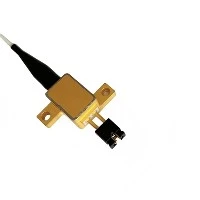
| Diode (Hair Removal) | 800–810 nm | Retinal | Ensure eyewear matches exact diode wavelength |
⚠️ Critical Reminder: Eyewear labeled "for laser use" is not enough-it must specify the exact wavelength(s) and Optical Density (OD). Generic "laser glasses" offer false security.

4. Patient-Specific Protection Protocols
Eye protection is mandatory for all facial or neck treatments, regardless of perceived risk.
For treatments near the eyes (e.g., upper lip, crow's feet), use internal corneal shields (for intraoral or eyelid procedures) or external stainless-steel eye shields-never rely on cotton pads or gauze alone.
Instruct patients to keep eyes closed even when wearing goggles, as an added layer of safety.

5. Training and Documentation
All staff operating or assisting with cosmetic lasers must complete documented safety training that includes:
Laser physics basics (wavelength, fluence, pulse duration)
Hazard identification
Proper PPE selection and inspection
Emergency response (e.g., accidental exposure, fire)
Regulatory requirements (e.g., OSHA, ANSI Z136.3)
Training should be refreshed annually or whenever new laser systems are introduced.

Conclusion
Laser protection is not optional-it is a non-negotiable standard of care in cosmetic laser practice. Comprehensive safety training ensures that every treatment is delivered not only effectively but also without compromising the health of patients or practitioners. By embedding rigorous protection protocols into daily workflows, clinics uphold both clinical excellence and legal responsibility.
Remember: One moment of oversight can lead to a lifetime of visual impairment. When it comes to laser safety-assume every beam is dangerous until proven otherwise.