

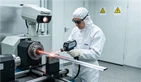


Lithium battery production is a sophisticated process that increasingly relies on advanced laser technologies to enhance efficiency, precision, and productivity. This article provides a comprehensive overview of the key laser operations involved in lithium battery manufacturing, the specific wavelengths and power levels used, and the critical measures for ensuring effective laser protection.
Key Laser Operations in Lithium Battery Production
1. Electrode Cutting
Description: Precision cutting of the anode and cathode materials is essential for the production of lithium batteries. Lasers are used to cut materials such as copper and aluminum foils with high precision.
Wavelength and Power:
Wavelength: Typically around 1,064 nm, which is commonly used for fiber lasers.
Power: Ranges from several tens to hundreds of watts, depending on the thickness of the material.
Example: Q-switched fiber lasers are often used to achieve clean cuts with minimal burr formation, ensuring high-quality electrode edges.
Industry Application: Widely adopted in the mass production of lithium-ion batteries for electric vehicles (EVs) and consumer electronics.

2. Electrode Dry Coating
Description: Lasers can be employed to dry the electrode coatings by evaporating solvents from the wet-coated electrodes. This process enhances the drying speed and coating quality.
Wavelength and Power:
Wavelength: Typically Infrared (IR) lasers around 808 nm or 980 nm.
Power: Typically around 500 to 1000 watts.
Example: High-power diode lasers are used to uniformly dry the electrode surfaces without damaging the underlying materials.
Industry Application: Essential for high-volume battery production lines where speed and uniformity are crucial.

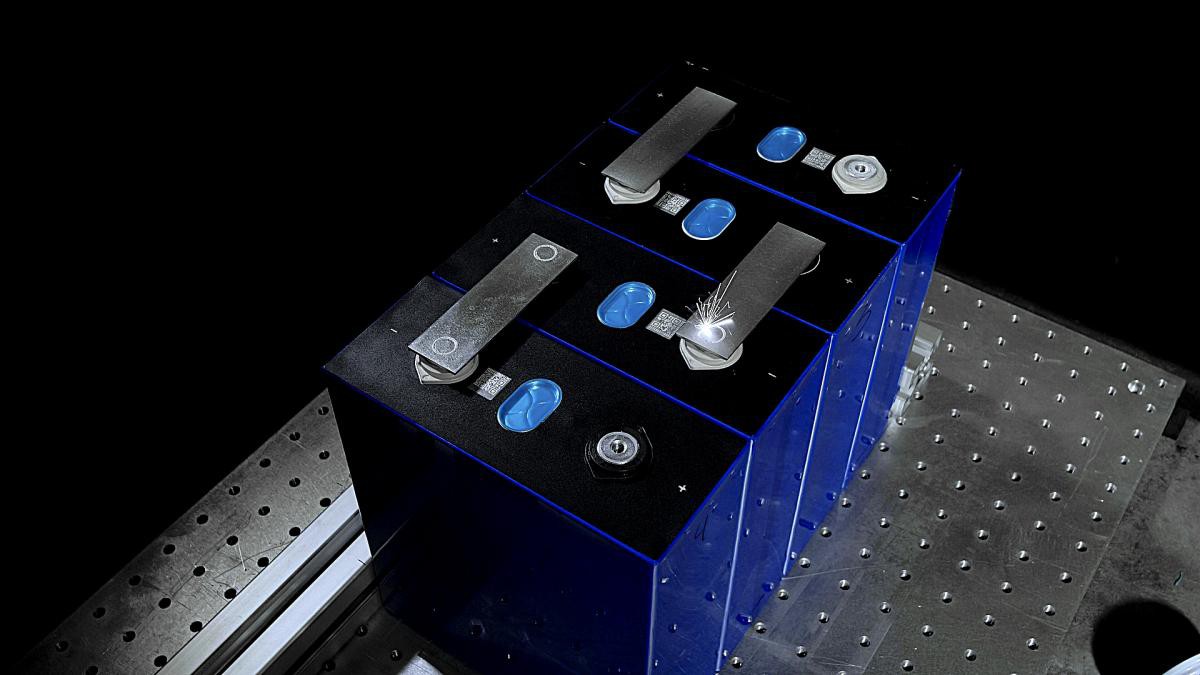
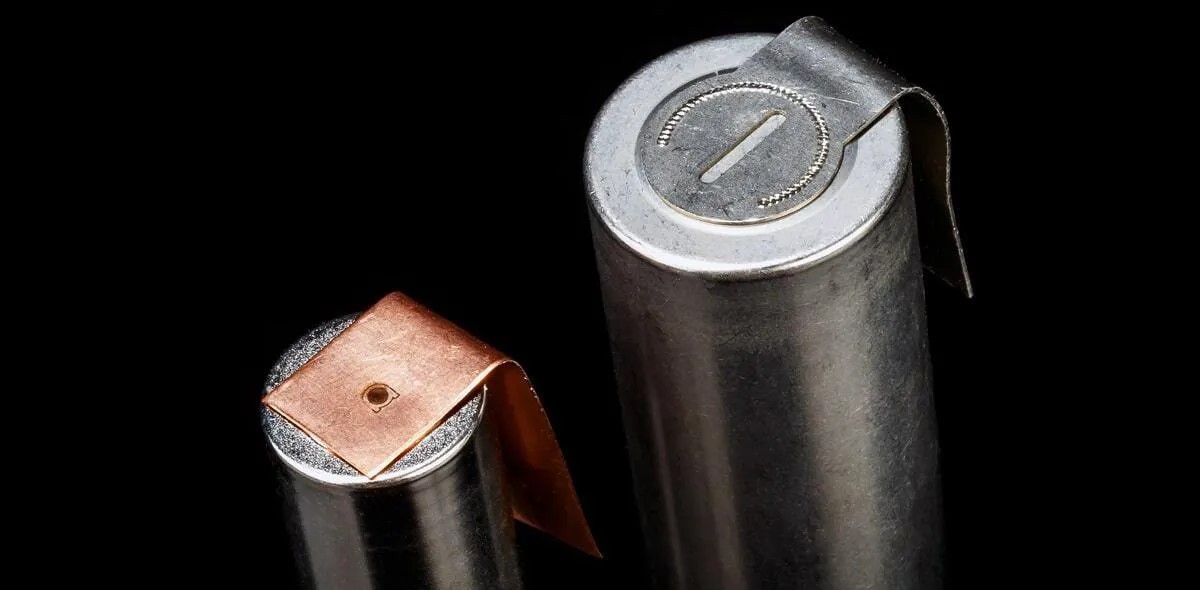
3. Tab Welding
Description: Laser welding is used to attach tabs (conductive connectors) to the electrode sheets. This bonding must be strong and reliable to ensure efficient battery performance.
Wavelength and Power:
Wavelength: Often around 1,064 nm for fiber or Nd:YAG lasers.
Power: Generally ranges between 100 to 500 watts.
Example: Pulsed Nd:YAG lasers provide precise welds that minimize heat-affected zones.
Industry Application: Commonly used in EV battery pack assembly and portable electronic devices.
4. Separator Piercing
Description: Lasers create microscopic holes in battery separators to allow precise control over electrolyte flow.
Wavelength and Power:
Wavelength: UV lasers, typically around 355 nm.
Power: Low power, around 1 to 20 watts.
Example: UV laser systems are capable of creating holes with diameters in the micrometer range without damaging the separator material.
Industry Application: Used in the manufacture of advanced lithium-ion batteries requiring fine control over internal chemical processes.
Ensuring Laser Protection
Using lasers in lithium battery production comes with inherent safety risks. Proper laser protection measures are crucial to ensure the safety of workers and equipment.
1. Personal Protective Equipment (PPE)
Description: PPE includes laser safety glasses, gloves, and protective clothing designed to protect against specific wavelengths.
Example: Laser safety glasses that filter out specific wavelengths used during electrode cutting or welding. These glasses are rated according to the laser's wavelength and power.

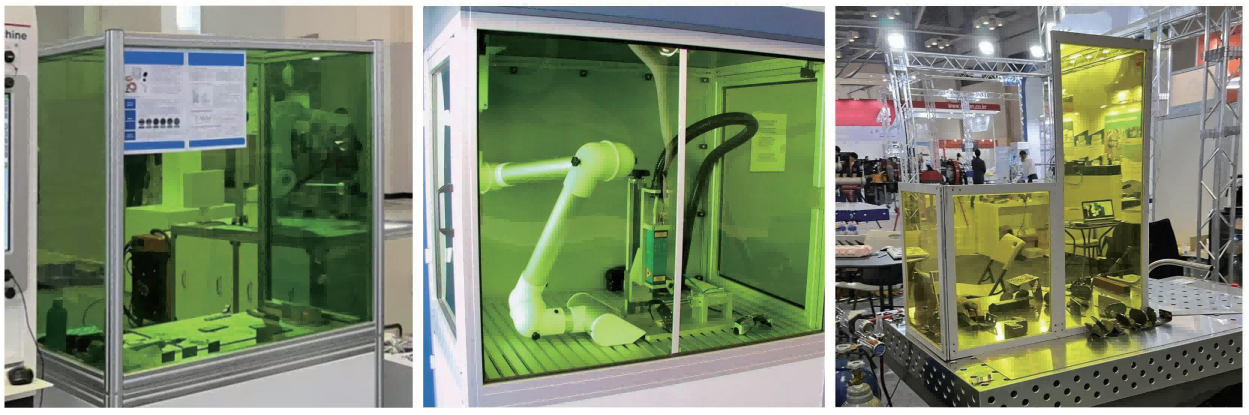
2. Laser Safety Enclosures
Description: Enclosures or barriers around laser workstations to contain laser beams and protect workers from accidental exposure.
Example: Using Class I laser safety enclosures for high-power laser cutting systems to provide a fully shielded environment.
3. Administrative Controls
Description: Implementing safety protocols, training, and signs to ensure that workers are aware of laser hazards and proper procedures.
Example: Regular safety training sessions and clear labeling of hazardous laser areas with appropriate signage.
4. Engineering Controls
Description: Incorporating safety features into laser systems, such as interlocks, shutters, and beam path enclosures.
Example: Automatic laser shut-off systems triggered when a safety enclosure is opened or when unauthorized personnel are detected in the area.
Conclusion
The integration of laser technologies in lithium battery production-ranging from electrode cutting and coating to tab welding and separator piercing-demonstrates the importance of precise and efficient manufacturing methods. Correspondingly, ensuring robust laser protection protocols is essential to safeguard workers and maintain operational safety. By adhering to proper safety measures, industries can harness the full potential of lasers while mitigating associated risks.