



The rapid development and popularization of laser technology has brought unprecedented efficiency and innovation, but it is also accompanied by an increase in laser safety risks. In order to protect operators and the public from potential visual damage, laser protection equipment has become an indispensable safety line of defense. Among many international and regional standards, European standards EN 207 and EN 12254 are the two pillars in the field of laser protection, which set detailed requirements for personal protective equipment and environmental protection facilities respectively.

EN 207 standard detailed explanation: Standard content and key requirements
EN 207 "Laser protection glasses and goggles" establishes strict performance indicators for personal laser protection equipment, including but not limited to spectral response range, transmittance limit, laser shock resistance and detailed identification system. The standard covers protection for different types of lasers (such as continuous wave and pulse wave), ensuring that users' eyes are fully protected when facing lasers of specific wavelengths and energy levels.
This standard specifically addresses laser protective glasses and goggles, and specifies the minimum level of protection they should provide at different wavelengths and pulse conditions. It ensures that laser protective glasses are effective at blocking laser radiation and protecting the user's eyes from harm. The marking system in the EN 207 standard details the glasses' ability to protect against specific wavelength ranges, including continuous wave (CW) and different pulse length lasers. Markings include such as D (continuous wave), I, R, M (for different pulse widths), and L level (indicating the maximum power or energy density level).

EN 12254 standard analysis: Standard overview and core elements
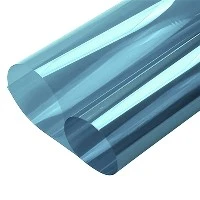
In contrast, EN 12254 "Laser protection screens and protective panels" focuses on building safe isolation areas, preventing laser radiation from leaking into non-operating areas through fixed or mobile physical barriers. This standard requires barrier materials to have efficient laser attenuation performance while taking into account their structural stability and ease of maintenance. In addition, it also specifies the optical properties of the barrier and the calculation method of the safe distance to ensure that it can effectively block the laser without hindering the necessary visual monitoring and operation.
The EN 12254 standard applies to laser shields or laser shields, which are fixed or movable barriers used to isolate the work area and block or attenuate the transmission of laser radiation. This standard defines the performance requirements, test methods and classification system for laser shields to ensure that they can provide adequate protection for operators and bystanders from scattered and reflected laser radiation. It covers the screens' optical quality, stability, fire performance and information on how to correctly label the product.

Comparison and specific examples
Individual protection vs. area protection:
EN 207 example: During laser dental treatment, dentists and assistants wear goggles that meet the EN 207 standard to directly protect their eyes from harmful radiation generated by laser surgery.
EN 12254 example: In the same treatment environment, the EN 12254 standard laser protection screen set around the treatment chair can prevent laser scattering from affecting other people in the room, such as patients in the waiting area or passing employees.
Dynamic application vs. static layout:
EN 207 flexibility: In mobile laser measurement or on-site maintenance scenarios, personal EN 207 protective glasses provide convenient portable protection that adapts to the needs of different working positions.
EN 12254 fixed protection: In fixed laser processing workshops, such as laser cutting workstations, the EN 12254 protective panels installed around the perimeter constitute a long-term and effective safety boundary, which can maintain the safety of the working area even without supervision.
Protection level and scope of application:
EN 207 personalized protection: Since personal protective equipment needs to directly adapt to the needs of different users, EN 207 certified equipment will adjust the protection level according to the specific laser type and power, such as choosing glasses with higher protection levels in high-energy laser research.
EN 12254 universality: In contrast, the protective barrier design of EN 12254 tends to provide widely applicable protection, suitable for various types of laser operations, and can cope with laser equipment of different powers and operating modes by adjusting the layout and number of barriers.

Conclusion
EN 207 and EN 12254 standards jointly build a comprehensive laser safety protection system in a complementary way. The coordinated application of personal protective equipment and environmental protection facilities not only reflects the meticulous care for individual safety, but also demonstrates a macro grasp of public safety. Specific examples in practical applications further verify the effectiveness and necessity of these standards, and encourage strict compliance in all occasions involving laser activities to promote the harmonious coexistence of technological progress and safety assurance. As technology continues to evolve, continuous evaluation and revision of these standards will be the key to ensuring the safety of future laser applications.