

Laser hair removal has become one of the most popular cosmetic procedures worldwide. Offering a long-term solution to unwanted hair, it uses concentrated beams of light to target and disable hair follicles. While effective and generally safe, the technology involves powerful lasers that, if not properly managed, can pose risks to both patients and medical professionals. This article explores how different laser wavelengths function in hair removal treatments and outlines essential safety measures to prevent injury.
How Laser Hair Removal Works
At its core, laser hair removal relies on a principle called selective photothermolysis. This means that a specific wavelength of light is chosen to target a particular structure in the skin-in this case, the pigment (melanin) in the hair follicle-without damaging the surrounding tissue.
When the laser beam is directed at the skin, the melanin in the hair shaft and follicle absorbs the light energy. This absorbed energy is converted into heat, which damages the follicle enough to inhibit or delay future hair growth. For optimal results, the hair must be in its active growth phase (anagen phase), which is why multiple sessions are usually required.
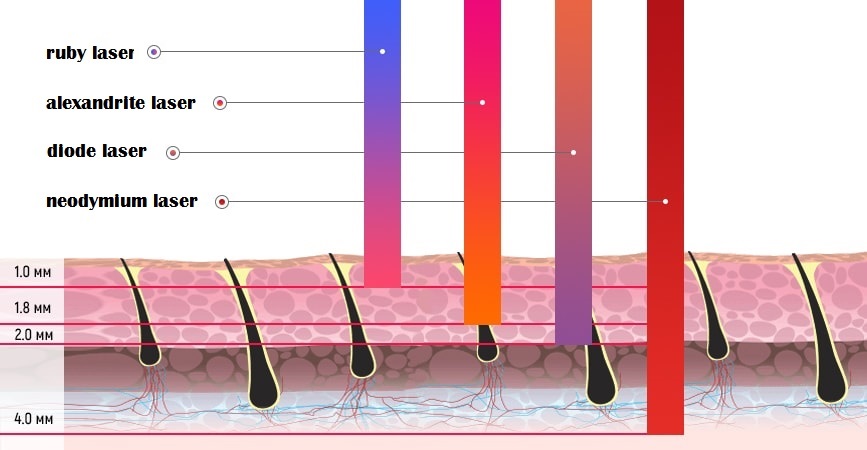
The success and safety of the procedure depend heavily on the wavelength of the laser used. Different wavelengths penetrate the skin to varying depths and are absorbed differently by melanin and other skin components. Choosing the right wavelength is crucial for effective treatment and minimizing side effects.

Common Laser Wavelengths Used in Hair Removal
Several types of lasers are used in clinical settings, each with a specific wavelength tailored to different skin tones and hair types. The most common include:
1. Alexandrite Laser (755 nm)
The alexandrite laser, operating at 755 nanometers (nm), emits light in the near-infrared spectrum. It is highly absorbed by melanin, making it very effective for targeting dark, coarse hair.
Best for: Light to medium skin tones (Fitzpatrick skin types I–III).
Penetration depth: Moderate-reaches the dermis where hair follicles reside.
Pros: Fast treatment due to large spot size; highly effective on fine and dark hair.
Cons: Higher risk of pigmentation changes or burns in darker skin tones due to strong melanin absorption in the epidermis.
Because of its high melanin absorption, the alexandrite laser requires careful settings and often includes cooling mechanisms to protect the skin surface.
2. Diode Laser (800–810 nm)
The diode laser, typically around 800–810 nm, is one of the most widely used lasers for hair removal. It strikes a balance between melanin absorption and deeper penetration.
Best for: A broad range of skin types (I–V), especially effective on dark hair.
Penetration depth: Deeper than alexandrite, allowing better access to follicles.
Pros: Versatile, effective, and generally safe with proper cooling. Good for larger body areas.
Cons: May be less effective on very fine or light-colored hair.
The longer wavelength reduces the risk of epidermal damage in darker skin, making it a safer option than alexandrite for patients with moderate pigmentation.
3. Nd:YAG Laser (1064 nm)
The Nd:YAG laser operates at 1064 nm, the longest wavelength commonly used in hair removal. It is poorly absorbed by melanin, which makes it safer for dark or tanned skin.
Best for: Darker skin tones (Fitzpatrick types IV–VI) and patients with a history of hyperpigmentation.
Penetration depth: Deepest of all hair removal lasers-ideal for deep follicles.
Pros: Lowest risk of skin damage in pigmented skin; effective on coarse hair.
Cons: Less effective on fine or light hair; may require higher energy and more sessions.
Because it bypasses much of the epidermal melanin, the Nd:YAG laser minimizes the risk of burns and pigment changes, making it the gold standard for treating patients with darker complexions.
4. Ruby Laser (694 nm)
One of the earliest lasers used for hair removal, the ruby laser at 694 nm has high melanin absorption.
Best for: Very light skin with dark hair (type I only).
Penetration depth: Shallow.
Pros: Precise targeting of melanin.
Cons: High risk of side effects in any skin with pigment; rarely used today due to safety concerns.
Due to its limited safety profile, the ruby laser is now largely obsolete in modern clinics.
Why Wavelength Matters for Safety
The choice of wavelength directly impacts safety because it determines how much energy is absorbed by the skin's surface versus the target follicle. Shorter wavelengths (like 694 nm or 755 nm) are strongly absorbed by epidermal melanin, increasing the risk of burns, blisters, or pigment changes-especially in darker skin. Longer wavelengths (like 810 nm or 1064 nm) penetrate deeper with less absorption by surface melanin, reducing these risks.
Therefore, matching the laser wavelength to the patient's skin type and hair color is essential to avoid adverse effects.
How to Protect Patients During Treatment
Safety in laser hair removal is not just about the device-it's about proper protocols, equipment, and training. Here are key protective measures:
1. Skin Typing and Patch Testing
Before any treatment, the practitioner should assess the patient's Fitzpatrick skin type (I–VI) and perform a patch test. This small test helps determine the correct energy settings and checks for adverse reactions.
2. Use of Cooling Systems
Most modern lasers include integrated cooling:
Contact cooling: The laser handpiece has a chilled tip.
Cryogen spray: A burst of cold spray before or after the pulse.
Air cooling: Continuous stream of cold air. These systems protect the epidermis, reduce pain, and allow higher fluence (energy) to be used safely.
3. Appropriate Eye Protection
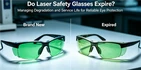
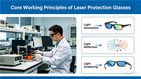
Laser light can cause permanent eye damage. Both patients and staff must wear wavelength-specific laser safety goggles. Regular sunglasses or generic glasses are not sufficient. The goggles must be rated for the exact laser wavelength being used (e.g., 755 nm, 810 nm, or 1064 nm).
4. Avoiding Sun Exposure
Patients should avoid sun exposure and tanning (natural or artificial) for at least 4–6 weeks before and after treatment. Tanned skin has more melanin, increasing the risk of burns and pigmentation issues.
5. Proper Technique and Settings
The operator must adjust fluence (energy), pulse duration, and spot size based on skin type, hair color, and treatment area. Using excessive energy or overlapping pulses can cause burns.

How to Protect Medical Professionals
Doctors, nurses, and technicians are exposed to laser risks daily. Protection includes:
1. Laser-Safe Eyewear
All staff in the treatment room must wear appropriate protective eyewear. Different lasers require different filter types-using the wrong goggles can be as dangerous as wearing none.
2. Controlled Environment
The treatment room should have laser warning signs on the door.
Windows should be covered or made of laser-blocking material.
Only essential personnel should be present during treatment.
3. Training and Certification
Operators must be trained in laser physics, safety protocols, and emergency procedures. Certification ensures they understand risks and how to minimize them.
4. Laser Maintenance and Calibration
Regular servicing ensures the laser delivers the correct energy and functions safely. Malfunctioning equipment can lead to inconsistent or dangerous treatments.p
Common Risks and How to Avoid Them
Despite precautions, complications can occur:
Redness and swelling: Normal and temporary; usually resolves in hours or days.
Burns and blisters: Often due to incorrect settings, lack of cooling, or sun exposure.
Hyperpigmentation or hypopigmentation: More common in darker skin; avoidable with proper wavelength and settings.
Scarring: Rare but possible with severe burns or infection.
To minimize these risks:
Choose a qualified, experienced provider.
Follow pre- and post-care instructions.
Report any unusual reactions immediately.
Conclusion: Safety First in Laser Hair Removal
Laser hair removal is a powerful and effective way to reduce unwanted hair, but it is not without risks. The key to a safe and successful treatment lies in understanding the technology-especially the role of laser wavelength-and adhering to strict safety protocols.
Different wavelengths-755 nm, 810 nm, and 1064 nm-serve different skin and hair types. Choosing the right one, combined with proper cooling, eye protection, and skilled operation, ensures both efficacy and safety.
For patients: Always consult a licensed professional, disclose your medical history, and follow all pre- and post-treatment advice.
For providers: Invest in training, use certified equipment, and never compromise on safety measures.
When done correctly, laser hair removal is not only effective but also remarkably safe. By respecting the power of light, we can harness it to improve appearance-without putting health at risk.