



Fiber laser cleaning is a cutting-edge technology that has revolutionized industrial cleaning processes. By leveraging the precision and efficiency of laser energy, this method offers a non-contact, environmentally friendly solution for removing contaminants from surfaces. Its applications span multiple industries, while its safety requirements demand strict adherence to protective measures. This article explores the key applications of fiber laser cleaning and the critical safety practices necessary to ensure operator well-being.
Applications of Fiber Laser Cleaning
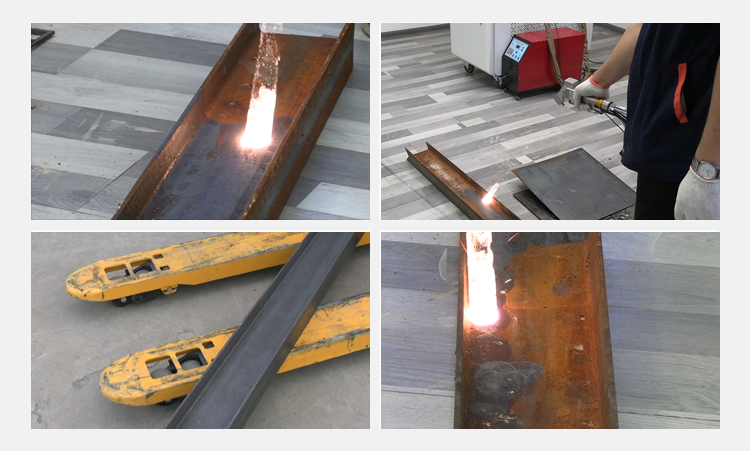
Fiber laser cleaning utilizes focused laser beams to ablate surface contaminants without damaging the underlying material. Its versatility makes it suitable for a wide range of industries:
1. Aerospace Industry
In aerospace manufacturing, fiber laser cleaning is employed to remove oxidation layers, coatings, and debris from aircraft components. The high precision of fiber lasers ensures that delicate materials like aluminum alloys and composite structures are not compromised. For example, laser cleaning is used to prepare surfaces for inspection or bonding, ensuring optimal adhesion and structural integrity.
2. Automotive Manufacturing
The automotive sector benefits from fiber laser cleaning in tasks such as weld seam preparation and paint removal. Traditional methods like sandblasting or chemical solvents can be time-consuming and hazardous. In contrast, fiber lasers offer rapid, automated cleaning of metal surfaces, improving production efficiency while reducing waste.
3. Cultural Heritage Preservation
Restoration of historical artifacts and artworks requires a gentle yet effective cleaning method. Fiber laser cleaning is ideal for this purpose, as it can remove corrosion, dirt, or old varnishes from metals like bronze or stone without causing physical damage. Its ability to target specific areas ensures that intricate details remain intact.
4. Electronics and Semiconductor Manufacturing
In precision electronics, even microscopic contaminants can disrupt circuit functionality. Fiber lasers are used to clean circuit boards, semiconductor wafers, and microcomponents. The non-contact nature of the process prevents mechanical stress, making it suitable for ultra-thin or fragile materials.
5. Rail and Transportation
High-speed rail systems rely on fiber laser cleaning to maintain critical components such as wheelsets and bogies. The technology efficiently removes rust, grease, and old coatings, extending the lifespan of equipment and ensuring compliance with safety standards.
6. Mold and Die Manufacturing
Molds and dies used in injection molding or metal casting often accumulate carbon deposits and release agents. Fiber laser cleaning provides a cost-effective way to restore these tools to their original condition, reducing downtime and maintenance costs.
Safety Practices for Fiber Laser Cleaning
While fiber laser cleaning offers significant advantages, it involves risks associated with laser radiation, heat, and potential exposure to harmful substances. Adhering to safety protocols is essential to protect operators and maintain operational integrity.
1. Personal Protective Equipment (PPE)
Laser Safety Goggles: Operators must wear goggles specifically designed to block the laser's wavelength. For fiber lasers (typically 1064 nm), goggles with high optical density (OD) are required to prevent retinal damage.
Protective Clothing: Flame-resistant suits, gloves, and face shields should cover all exposed skin. Long sleeves, pants, and closed-toe footwear minimize the risk of burns from stray laser beams or heat radiation.
Respiratory Protection: In some cases, laser cleaning may generate fumes or particulates. A respirator with appropriate filters is recommended to ensure air quality remains safe.
2. Engineering Controls
Enclosed Workspaces: Laser cleaning should be conducted within enclosed cabinets or rooms with laser-rated shielding. These barriers prevent direct exposure to the laser beam and reflections.
Interlock Systems: Safety interlocks automatically shut off the laser if the enclosure is opened or if sensors detect unauthorized access. This feature reduces the risk of accidental exposure.
Beam Path Management: The laser beam path must be clearly marked, and reflective surfaces should be avoided to prevent unintended scattering. Operators should never look directly into the beam or its reflections.
3. Environmental Safety Measures
Adequate Lighting: Work areas should be well-lit to prevent pupil dilation, which increases the risk of laser-induced eye damage. Bright lighting also helps operators identify hazards more easily.
Ventilation Systems: Proper ventilation is necessary to remove fumes or particulates generated during the cleaning process. This is particularly important when working with materials that release toxic gases.
4. Training and Procedures
Operator Certification: Only trained personnel should operate fiber laser cleaning systems. Training programs should cover laser physics, safety protocols, and emergency response procedures.
Standard Operating Procedures (SOPs): Clear guidelines must be established for starting up, operating, and shutting down the equipment. SOPs should include steps for inspecting PPE, verifying interlock systems, and handling emergencies.
Emergency Protocols: Operators must be familiar with procedures for laser shutdown, first aid for injuries, and fire suppression. Regular drills ensure preparedness in case of accidents.
5. Compliance with Standards
Adherence to international safety standards is critical. Key guidelines include:
IEC 60825-1: Specifies safety requirements for laser products, including maximum permissible exposure (MPE) limits.
OSHA Regulations: In the United States, OSHA mandates strict safety measures for laser use in the workplace.
ANSI Z136 Series: Provides detailed safety practices for laser operations, including classification, control zones, and PPE requirements.

Conclusion
Fiber laser cleaning is a transformative technology with applications across diverse industries. Its ability to deliver precise, efficient, and eco-friendly cleaning makes it a preferred alternative to traditional methods. However, the inherent risks of laser exposure necessitate rigorous safety measures. By combining personal protective equipment, engineering controls, and comprehensive training, operators can harness the benefits of fiber laser cleaning while minimizing hazards. As industries continue to adopt this technology, prioritizing safety will remain essential to ensuring its sustainable and responsible use.