

Understanding the 1000mW 532nm DPSS Green Laser
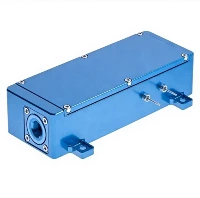
The 1000mW 532nm DPSS green laser is a high-powered laser system that operates on a continuous wave (CW) mode. DPSS lasers are known for their high efficiency, long lifetime, high-quality laser beam, good stability, and ultra-compact structure. This particular laser system is composed of Nd:YVO4 and KTP crystals, which are pumped by an 808nm laser diode. The resulting output is a green laser beam at 532nm, with a power output of 1000mW, making it a highly potent laser source.
The front window of the DPSS laser module typically consists of a wedged glass filter that blocks the infrared (IR) source light and hermetically seals the module. This design ensures that only the desired green laser beam is emitted, while the potentially harmful IR radiation is contained within the laser housing.

Hazards Associated with High-Powered Lasers
High-powered lasers, such as the 1000mW 532nm DPSS green laser, pose several potential hazards to users and bystanders. These hazards can be broadly classified into two categories: direct and indirect hazards.
Direct Hazards
Direct hazards arise from direct exposure to the laser beam. The 532nm green laser beam, while visible to the human eye, can still cause severe damage to the retina if exposed to for even brief periods. Prolonged or repeated exposure can lead to permanent vision loss or blindness.
Moreover, the intensity of the laser beam increases with its power output. The 1000mW output of this DPSS laser is significantly higher than lower-powered laser pointers, making it an even more dangerous source of radiation.
Indirect Hazards
Indirect hazards include those that arise from secondary effects of the laser beam, such as reflected or scattered light, and the potential for fire or explosion if the laser beam comes into contact with flammable materials.
Reflected or scattered laser beams can still cause eye damage, even if they are not as intense as the direct beam. Additionally, the laser beam can ignite flammable materials, posing a fire hazard.
The Necessity of Laser Protection Glasses
Given the potential hazards associated with high-powered lasers like the 1000mW 532nm DPSS green laser, it is imperative to use laser protection glasses when working with or around such systems. Laser protection glasses are designed to block or significantly reduce the transmission of laser radiation at specific wavelengths, protecting the eyes from potential damage.
For the 1000mW 532nm DPSS green laser, laser protection glasses that are specifically designed to block 532nm radiation should be used. These glasses are typically made from materials that absorb or reflect the laser wavelength, ensuring that the eyes are protected from direct and indirect exposure to the laser beam.
Choosing the Right Laser Protection Glasses
When selecting laser protection glasses for use with the 1000mW 532nm DPSS green laser, it is important to consider several factors, including:
Optical Density (OD): The OD rating of laser protection glasses indicates the amount of laser radiation that is blocked or reduced. For high-powered lasers like the 1000mW 532nm DPSS green laser, glasses with a high OD rating are necessary to provide adequate protection.
Wavelength Coverage: Ensure that the laser protection glasses you choose are designed to block the specific wavelength of the laser you are working with. In this case, glasses that block 532nm radiation are essential.
Comfort and Fit: Proper fit and comfort are important factors to consider when selecting laser protection glasses. Glasses that are too tight or uncomfortable can distract from the task at hand and potentially compromise safety.
Certification: Look for laser protection glasses that are certified by reputable organizations, such as ANSI (American National Standards Institute) or EN (European Norm). These certifications ensure that the glasses meet strict safety standards and provide the level of protection required for the specific laser wavelength and power output.

Additional Considerations for Laser Safety
In addition to using laser protection glasses, there are several other safety measures that should be taken when working with high-powered lasers like the 1000mW 532nm DPSS green laser:
Proper Training: All personnel who will be working with or around the laser should receive proper training on laser safety and the specific hazards associated with the laser system. This training should cover topics such as laser beam hazards, protective measures, and emergency procedures.
Engineering Controls: Implement engineering controls to minimize the potential for laser exposure. This may include using laser-safe enclosures or barriers to prevent unauthorized access to the laser area, as well as implementing interlocks and warning signs to alert personnel of potential hazards.
Administrative Controls: Develop and enforce safety policies and procedures that govern the use and handling of the laser system. This may include restricting access to the laser area to trained personnel only, conducting regular safety inspections, and maintaining accurate records of laser use and maintenance.
Personal Protective Equipment (PPE): In addition to laser protection glasses, other PPE, such as gloves and protective clothing, may be necessary depending on the specific tasks being performed. PPE should be worn at all times when working with or around the laser system.
Emergency Procedures: Establish emergency procedures for responding to laser-related incidents, such as accidental exposure or fire. Ensure that all personnel are familiar with these procedures and know how to respond in the event of an emergency.
The Importance of Compliance
Compliance with laser safety regulations and standards is not only a legal requirement but also a critical aspect of ensuring the safety of personnel and the surrounding environment. Failure to comply with laser safety regulations can result in serious consequences, including fines, legal liability, and even criminal charges.
Moreover, compliance with laser safety standards helps to maintain a safe and productive work environment, reducing the risk of accidents and injuries. This, in turn, can lead to improved efficiency and productivity, as well as a positive impact on the overall reputation of the organization.
Conclusion
In conclusion, the 1000mW 532nm DPSS green laser is a high-powered laser system that poses significant hazards to users and bystanders. To protect against these hazards, it is essential to use laser protection glasses that are specifically designed to block 532nm radiation. Additionally, proper training, engineering controls, administrative controls, PPE, and emergency procedures should be implemented to ensure the safety of personnel and the surrounding environment. Compliance with laser safety regulations and standards is also critical to maintaining a safe and productive work environment.