


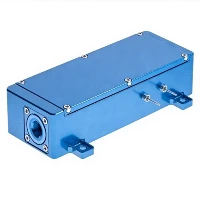

Fiber laser modules have become a transformative tool in modern medicine, enabling minimally invasive surgery across multiple clinical specialties. They have wide clinical applications in urology, neurosurgery, dermatology, interventional vascular surgery, and oral oncology. These applications include multimodal imaging platforms combining hyperspectral imaging with confocal laser endoscopy, AI-driven surgical systems for automated tissue identification and selective ablation, and cutting-edge advancements in high-power thulium-doped fiber lasers.

1. Technological Foundations of Medical Fiber Lasers
1.1 Principles of Laser-Tissue Interaction
The therapeutic effects of medical lasers derive from specific interactions between optical energy and biological tissues. At the molecular level, laser energy is absorbed by chromophores-primarily water, hemoglobin, melanin, and in some applications, exogenous photosensitizers. The absorption coefficient at a given wavelength determines the penetration depth and the primary mechanism of tissue effect: photothermal, photomechanical, or photochemical.
Water, constituting approximately 70% of soft tissues, serves as the primary absorber for many surgical lasers. The absorption spectrum of water exhibits peaks in the mid-infrared region, particularly around 1.94 μm and 2.94 μm [6]. This wavelength-dependent absorption explains the clinical utility of thulium fiber lasers (TFL) operating at 1.94 μm, which demonstrate approximately four-fold higher water absorption than the 2.12 μm holmium:YAG (Ho:YAG) wavelength [2]. Higher water absorption translates to more confined energy deposition, reduced collateral thermal damage, and lower thresholds for tissue vaporization.
1.2 Medical-Grade Optical Fiber Design
The optical fiber constitutes the critical interface between the laser source and the target tissue. Medical-grade laser fibers must satisfy rigorous requirements for optical transmission, mechanical flexibility, biocompatibility, and sterility.
A typical disposable laser fiber comprises several functional layers. The core, fabricated from high-purity silica or specialized materials for specific wavelengths, transmits the laser energy with minimal attenuation. Surrounding the core is the cladding, with a lower refractive index that maintains total internal reflection. A protective polymer coating (buffer) provides mechanical integrity, while an outer jacket may offer additional handling characteristics [6].
For specialized applications, advanced fiber designs have been developed. Photonic bandgap fibers, for example, enable transmission of CO₂ laser energy (10.6 μm) through flexible waveguides-a wavelength previously deliverable only through articulated arms [8]. Side-firing fibers incorporate reflective elements or angled tips to direct energy laterally, essential for applications such as endovenous laser ablation where circumferential vessel treatment is desired.
Single-use, sterile-packaged fibers have become the clinical standard, eliminating cross-contamination risks and ensuring consistent performance. These devices undergo rigorous sterilization validation and must maintain optical and mechanical properties after ethylene oxide or radiation sterilization [4].
1.3 Key Laser Sources in Current Clinical Use
Contemporary medical laser systems employ diverse gain media and configurations optimized for specific applications. Table 1 summarizes the principal laser sources relevant to fiber-delivered medical applications.
Table 1. Characteristics of Major Medical Laser Sources
| Laser Type | Wavelength (μm) | Primary Absorber | Typical Applications | Key Advantages |
|---|---|---|---|---|
| Ho:YAG | 2.12 | Water | Urinary lithotripsy | Established gold standard, reliable |
| Thulium Fiber Laser | 1.94 | Water | Lithotripsy, soft tissue ablation, dermatology | Higher water absorption, finer dusting, lower retropulsion |
| Thulium:YAG | 2.01 | Water | Soft tissue surgery | Continuous and pulsed modes available |
| Nd:YAG | 1.064 | Pigment | Photocoagulation, venous ablation | Deep penetration, hemostasis |
| KTP (frequency-doubled Nd:YAG) | 0.532 | Hemoglobin | Vascular lesions, prostate surgery | Selective vascular targeting |
| Diode Lasers | 0.8-1.9 | Variable | Soft tissue surgery, dermatology, venous ablation | Compact, efficient, wavelength flexibility |
| Er:YAG | 2.94 | Water | Skin resurfacing, dental applications | Highest water absorption, minimal thermal damage |
| CO₂ | 10.6 | Water | Oral oncology, laryngology | Exceptional precision, minimal collateral damage |
The holmium:YAG laser has served as the workhorse for endourologic lithotripsy for over two decades. As a solid-state laser with a YAG cavity doped with holmium ions and excited by a flashlamp, Ho:YAG systems typically deliver maximum average powers of 30W, with "high-power" variants (>30W) requiring multiple YAG cavities to achieve higher frequencies [1].
Thulium fiber laser technology represents a fundamental departure from solid-state designs. TFL employs thulium-doped silica fiber as the gain medium, excited by compact laser diodes. This architecture enables wavelengths precisely centered at 1.94 μm, coinciding with a water absorption peak. TFL systems achieve maximum average powers of 60W and frequencies up to 2000 Hz-substantially higher than conventional Ho:YAG [1]. The fiber laser configuration also produces superior beam quality, enabling smaller core diameters and more efficient energy coupling.
Pulsed thulium:YAG (p-Tm:YAG) represents a compromise between Ho:YAG and TFL architectures. As a solid-state YAG laser excited by laser diodes rather than flashlamps, p-Tm:YAG achieves 100W maximum average power from a single cavity [1].
1.4 Critical Performance Parameters
Several interrelated parameters determine the clinical performance of medical laser systems:
Wavelength selection governs tissue absorption and thus the fundamental mechanism of action. For lithotripsy, the higher water absorption of TFL (1940 nm) compared to Ho:YAG (2120 nm) enables more efficient stone fragmentation at lower energies [2].
Output mode-continuous wave versus pulsed-profoundly influences tissue effects. Continuous wave operation produces sustained heating suitable for coagulation and tissue vaporization. Pulsed operation, with high peak powers and relaxation intervals, enables controlled fragmentation with reduced thermal spread. TFL offers unique flexibility, operating effectively in both continuous and pulsed modes [1].
Energy and frequency settings determine fragmentation efficiency and safety. Low-energy, high-frequency settings ("dusting" mode) produce fine stone particles that pass spontaneously, while higher-energy, lower-frequency settings ("fragmentation" mode) generate larger retrievable fragments. The optimal balance depends on stone characteristics and surgeon preference [2].
Fiber diameter influences access capability and energy delivery. Smaller fibers (150-200 μm core) enable greater endoscope deflection and irrigation flow but transmit less energy. Larger fibers (272-365 μm) deliver higher power but may limit scope maneuverability. TFL's superior beam quality permits effective energy transmission through smaller fibers [2].
2. Clinical Applications
2.1 Urology: The Paradigm Shift in Lithotripsy
Urinary stone disease affects an estimated 10-15% of the global population, imposing substantial morbidity and healthcare costs [2]. Over the past two decades, treatment strategies have shifted decisively toward minimally invasive approaches. Flexible ureteroscopy and retrograde intrarenal surgery (RIRS) are now commonly employed for stones ≤20 mm, while percutaneous nephrolithotomy remains first-line for larger calculi [2].
The holmium:YAG laser has long served as the predominant energy source for intracorporeal lithotripsy. However, its performance is constrained by several limitations: retropulsion of stone fragments during high-energy pulses, impaired endoscopic visualization due to bubble formation, and risk of thermal injury to adjacent tissues [2]. These drawbacks have motivated the development of alternative technologies, particularly thulium fiber laser.
A multicenter retrospective study comparing super-pulse TFL (SP-TFL) with conventional Ho:YAG in 297 patients undergoing ureteroscopic lithotripsy demonstrated significant advantages for the fiber laser platform [2]. SP-TFL achieved higher early stone-free rates at 24-48 hours (87.4% vs. 76.2%, P=0.038), with comparable one-month stone-free rates (94.7% vs. 92.1%, P=0.55). Operative times (55 vs. 75 minutes) and lithotripsy times (30 vs. 50 minutes) were significantly shorter with SP-TFL (both P<0.001). Importantly, the SP-TFL group experienced fewer overall complications (18.9% vs. 40.1%, P=0.017) and less postoperative white blood cell elevation, suggesting reduced inflammatory response.
These clinical benefits derive from the fundamental physics of TFL. The 1940 nm wavelength's higher water absorption produces more efficient stone fragmentation with lower energy requirements. The ability to operate at higher frequencies (20-30 Hz vs. 10-20 Hz) enables more rapid dusting. Reduced retropulsion improves targeting efficiency and minimizes stone migration into inaccessible calyces [2].
The clinical translation of TFL has been further facilitated by the availability of smaller-diameter fibers (150 μm) that preserve ureteroscope deflection and improve irrigation flow-critical factors for maintaining visualization during prolonged procedures [1].
2.2 Neurosurgery: Dual-Wavelength Platforms for Precision Brain Surgery
Neurosurgery presents unique challenges due to the critical functional importance of surrounding tissues and the infiltrative nature of many brain tumors. Gliomas, for example, tend to invade brain parenchyma beyond margins identifiable on conventional imaging, yet generous resection of these equivocal regions risks damaging eloquent cortex [3].
Fiber laser technology has enabled novel approaches to this challenge. A dual-wavelength fiber laser platform combining 1.94 μm thulium laser for tissue ablation with 1.07 μm ytterbium laser for specific coagulation has been developed for precision brain surgery [6]. The 1.94 μm wavelength exploits water absorption for efficient tissue vaporization, while the 1.07 μm wavelength targets hemoglobin to achieve hemostasis without excessive thermal spread.
Integration with optical coherence tomography (OCT) enables real-time assessment of ablation depth and thermal damage. This closed-loop control is essential for working near critical structures such as motor cortex or language areas [6]. Preclinical studies have demonstrated the feasibility of stereotactic laser ablation with 1940 nm Tm:fiber laser for various neurosurgical applications [6].
Beyond ablation, fiber laser technology is advancing intraoperative diagnostics. A novel multimodal imaging platform integrates hyperspectral imaging (HSI) with probe-based confocal laser endomicroscopy (pCLE) for improved brain tumor identification [3]. HSI provides rapid, broad-area tissue characterization based on spectral reflectance patterns across 40 bands from 450-762 nm. pCLE delivers cellular-level resolution imaging through a flexible fiber bundle probe with 325 μm field of view, enabling in vivo optical biopsy.
The integration of these modalities within an operating microscope setup, calibrated through computer vision techniques, achieves precise spatial alignment with minimal reprojection error. Machine learning algorithms combining predictions from both modalities significantly improve tumor identification, yielding higher Dice and Recall scores compared to either modality alone [3]. This multimodal approach addresses the limitations of each technology independently: HSI lacks cellular resolution, while pCLE's small field of view makes comprehensive tissue interrogation impractical without spatial tracking.
2.3 Dermatology and Aesthetic Medicine
The dermatologic applications of fiber lasers span both therapeutic and aesthetic indications. Non-ablative fractional photothermolysis, typically employing 1550 nm erbium-doped fiber lasers, has become a mainstay for skin rejuvenation, scar revision, and photodamage treatment. By creating microscopic columns of thermal injury surrounded by viable tissue, fractional lasers stimulate neocollagenesis while enabling rapid healing.
A systematic review and meta-analysis comparing lasers with other modalities for skin rejuvenation, encompassing six studies with 497 patients, demonstrated that Er:YAG laser yielded superior results in the "excellent" category (20% excellent responsiveness) [9]. Radiofrequency treatment achieved the highest percentage of "good" responses (39%). The analysis suggested that combining Er:YAG laser with radiofrequency may represent the optimal approach for skin rejuvenation [9].
For pigmented and scarring conditions, thulium fiber lasers operating at 1927 nm have shown promise. The 1927 nm wavelength provides intermediate water absorption-lower than 2940 nm Er:YAG but higher than 1550 nm-enabling non-ablative fractional treatment with sufficient energy deposition for dyspigmentation and actinic changes [6]. Clinical studies have demonstrated efficacy for conditions including Riehl's melanosis and diffuse facial dyspigmentation [6].
The flexibility of fiber laser platforms enables treatment customization based on specific indications. For vascular lesions, pulsed dye lasers remain first-line, but fiber-delivered Nd:YAG (1064 nm) offers deeper penetration for larger vessels. The ability to select wavelengths and adjust parameters based on lesion characteristics exemplifies the precision of modern laser therapy.
2.4 Vascular Interventions
Endovenous laser ablation (EVLA) has revolutionized the treatment of lower extremity venous insufficiency. By delivering laser energy within the great or small saphenous vein, EVLA induces thermal damage to the endothelium, leading to vein fibrosis and eventual occlusion.
The evolution of EVLA wavelengths reflects the principle of selective absorption. Early systems employed 810 nm or 980 nm diode lasers, targeting hemoglobin absorption. However, these wavelengths produced significant postoperative pain and ecchymosis due to vein perforation and perivenous hemorrhage. The introduction of 1470 nm and 1940 nm wavelengths, targeting water absorption, enabled more uniform energy absorption within the vein wall and reduced complications [6].
A prospective study comparing 1940 nm EVLA with radial emitting fibers to historical 1470 nm results demonstrated excellent safety and efficacy, with three-year outcomes confirming durable vein occlusion [6]. The 1940 nm wavelength's higher water absorption enables effective treatment at lower linear endovenous energy densities, potentially reducing postoperative discomfort while maintaining efficacy.
2.5 Oral Oncology and Maxillofacial Surgery
Head and neck cancer, particularly oral squamous cell carcinoma (OSCC), represents a significant global health burden with over 850,000 new cases annually [7]. Traditional surgical resection achieves oncologic control but may sacrifice function and cosmesis. High-energy laser systems offer potential advantages in precision, hemostasis, and functional preservation.
A systematic review and meta-analysis comparing laser resection with conventional surgery for OSCC, incorporating 30 studies, revealed significant benefits for laser approaches [5]. Laser resection was associated with lower local recurrence (OR 0.58, 95% CI 0.43-0.77), higher three-year overall survival (HR 0.72, 95% CI 0.55-0.94), and fewer intraoperative complications (OR 0.29, 95% CI 0.18-0.47). Quality of life favored laser treatment at three months postoperatively (SMD 0.61, 95% CI 0.38-0.84). Subgroup analysis identified CO₂ and Er,Cr:YSGG lasers as showing the most consistent benefits [5].
The precision of CO₂ laser ablation, with minimal thermal damage to surrounding tissues, proves particularly valuable in the oral cavity where functional preservation is paramount. The development of flexible photonic bandgap fibers for CO₂ laser delivery [8] has expanded applications to previously inaccessible sites, enabling transoral laser microsurgery for laryngeal and pharyngeal tumors.
2.6 Emerging Multidisciplinary Applications
The versatility of fiber laser platforms has driven adoption across multiple additional specialties. In pulmonology, laser resection of endobronchial tumors relieves airway obstruction with minimal bleeding. In gastroenterology, laser ablation of dysplastic Barrett's esophagus offers an alternative to endoscopic mucosal resection. In gynecology, laser treatment of endometriosis and cervical intraepithelial neoplasia preserves fertility while achieving disease control [4, 8].
The common thread across these applications is the ability to deliver precise energy through flexible endoscopes to anatomically challenging sites, enabling organ-preserving interventions that would be impossible with traditional surgical approaches.
3. Emerging Frontiers
3.1 Multimodal Diagnostic-Therapeutic Platforms
The convergence of imaging and therapeutic capabilities within single platforms represents a paradigm shift in interventional medicine. Rather than sequential diagnosis and treatment, these integrated systems enable real-time assessment, adaptive targeting, and confirmation of therapeutic effect.
A compelling example is the development of a compact rigid endomicroscopic system integrating three nonlinear optical imaging modalities-coherent anti-Stokes Raman scattering (CARS), two-photon excited fluorescence (TPEF), and second-harmonic generation (SHG)-with femtosecond laser ablation [7]. This system enables label-free visualization of tissue microstructure and biochemistry, with CARS highlighting lipid-rich structures, SHG revealing collagen in tumor stroma, and TPEF detecting metabolically active cells through NADH fluorescence.
Integration of a femtosecond laser enables selective ablation of regions identified as pathologic by the imaging modalities. In proof-of-concept studies, the system successfully ablated cholesterol crystals in brain tissue while preserving surrounding structures-a level of precision impossible with conventional surgical instruments [7].
3.2 Artificial Intelligence-Driven Surgical Systems
The complexity of multimodal imaging data demands computational approaches for real-time interpretation. Deep learning models, particularly convolutional neural networks for semantic segmentation, have demonstrated remarkable capability in identifying pathologic tissue based on optical signatures.
A U-Net3+ architecture trained on multimodal images from 20 head and neck tumor specimens achieved 90% sensitivity and 96% specificity for identifying "tissue to be resected" (tumor, necrosis, tumor stroma) versus "tissue to be preserved" [7]. This performance approaches that of expert histopathologists but with the critical advantage of real-time intraoperative availability.
The combination of AI-driven tissue classification with closed-loop laser ablation control enables fully automated selective tissue removal. The system generates an ablation mask based on the segmentation output, then directs the femtosecond laser to ablate only within the designated region. This automation could reduce operator variability and enable consistent achievement of negative margins-a critical prognostic factor in oncologic surgery [7].
3.3 Fiber Optic Sensing and Monitoring
Beyond energy delivery, optical fibers serve as versatile sensing platforms for intraoperative monitoring. Fiber Bragg gratings enable real-time temperature measurement at multiple points along the fiber, providing feedback for thermal dose control during ablation. Optical coherence tomography through the same fiber used for ablation enables assessment of lesion dimensions and confirmation of therapeutic effect [6].
These sensing capabilities are essential for safe application in critical locations. During laser ablation near major vessels or nerves, real-time temperature monitoring can prevent unintended thermal injury. During lithotripsy, detection of stone composition through spectroscopic analysis could guide optimal laser settings [6].
3.4 Photodynamic Therapy and Photobiomodulation
While this review has focused on high-power applications, fiber lasers also enable important low-power therapeutic modalities. Photodynamic therapy (PDT) employs photosensitizing drugs activated by specific wavelengths to generate cytotoxic reactive oxygen species. Fiber delivery enables precise illumination of target tissues, including through interstitial fibers for deep-seated tumors.
Photobiomodulation, the application of low-level light to modulate cellular function, has demonstrated benefits for wound healing, pain relief, and nerve regeneration. Wearable and implantable fiber optic devices are under development to enable chronic, targeted light delivery for these indications [8].
4. Regulatory Landscape and Industry Trends
4.1 Regulatory Pathways
Medical laser systems and disposable fibers are regulated as medical devices in most jurisdictions, with approval requirements reflecting their risk classification. In the United States, the Food and Drug Administration (FDA) regulates these devices through the 510(k) premarket notification pathway for moderate-risk devices or the more rigorous premarket approval (PMA) process for high-risk devices.
The 510(k) pathway requires demonstration of substantial equivalence to a predicate device legally marketed before May 28, 1976, or to a device that has been determined substantially equivalent through the 510(k) process. Recent approvals illustrate the pathway's application to laser fibers: a Chinese manufacturer received FDA 510(k) clearance for a single-use sterile laser fiber in December 2024, with the application submitted in September 2024 and approved without requests for additional information-a "zero deficiency" clearance [4]. The approved indication encompasses multiple surgical specialties including dermatology, gastroenterology, urology, gynecology, neurosurgery, and otolaryngology [4].
In Europe, the Medical Device Regulation (MDR) 2017/745 has replaced the previous Medical Device Directives, imposing more stringent requirements for clinical evidence and post-market surveillance. CE marking under MDR requires demonstration of safety and performance through clinical evaluation, often including data from clinical investigations. OmniGuide's CE Mark approval for flexible CO₂ laser fibers exemplifies the European pathway, with indications spanning incision, excision, ablation, vaporization, and coagulation of soft tissues across multiple specialties [8].
In China, the National Medical Products Administration (NMPA) classifies laser fibers as Class II medical devices, requiring provincial-level registration. An innovative device pathway provides expedited review for technologies addressing unmet clinical needs [6].
4.2 Clinical Evidence Requirements
Regulatory approval increasingly demands robust clinical evidence demonstrating safety and effectiveness. For well-characterized technologies with established predicates, literature reviews and bench testing may suffice. For novel technologies or expanded indications, prospective clinical studies are typically required.
The quality of evidence varies across applications. Urologic lithotripsy benefits from multiple randomized controlled trials and meta-analyses comparing TFL with Ho:YAG [2]. Oral oncology evidence includes systematic reviews with pooled analyses [5]. For emerging applications such as AI-guided multimodal ablation, evidence remains largely preclinical or early clinical [7].
Reimbursement decisions add another layer of evidence requirements. Payers increasingly demand health economic data demonstrating not just clinical effectiveness but cost-effectiveness compared to alternatives. For TFL lithotripsy, shorter operative times and reduced complications [2] translate to economic benefits that support favorable coverage decisions.
4.3 Industry Structure and Market Trends
The global medical laser market continues to expand, driven by aging populations, increasing preference for minimally invasive procedures, and technological innovation. Disposable laser fibers represent a particularly attractive segment, with recurring revenue models and steady demand.
The competitive landscape includes established players with broad portfolios and specialized innovators focusing on specific applications. IPG Photonics, a leading fiber laser manufacturer, has developed medical applications including TFL for urology [1]. Lumenis maintains a strong position in Ho:YAG and other surgical lasers. Emerging companies such as Shanghai RayKeen Laser Technology demonstrate the globalization of innovation, with Chinese-developed TFL systems achieving clinical adoption [2].
Geographic trends reveal North America and Europe as established markets, with Asia-Pacific experiencing rapid growth. The FDA clearance of Chinese-manufactured laser fibers [4] illustrates the globalization of the supply chain and the increasing competitiveness of Asian manufacturers.
5. Challenges and Future Directions
5.1 Technical Challenges
Despite substantial progress, significant technical challenges remain. Soft tissue ablation precision, while improved with shorter wavelengths and optimized pulsing, still risks collateral thermal damage in critical locations. The balance between complete ablation and thermal spread remains delicate, particularly near nerves, vessels, and functional cortical areas [6].
Multimodal system integration presents formidable engineering challenges. Combining multiple imaging modalities with therapeutic lasers within a clinical-compatible footprint requires sophisticated optical design, thermal management, and user interface development. The systems described in research prototypes [3, 7] require substantial engineering refinement for routine clinical use.
Fiber material limitations constrain some applications. For high-peak-power pulsed lasers, fiber damage thresholds limit deliverable energy. For emerging wavelengths, fiber transmission losses may exceed acceptable levels. Specialty fibers such as photonic bandgap designs [8] address some limitations but at increased cost and complexity.
5.2 Clinical Translation Barriers
The gap between technological capability and clinical adoption remains substantial. Novel systems must demonstrate not just technical feasibility but practical utility in the hands of typical users. The learning curve for new technologies, the disruption to clinical workflows, and the need for training all influence adoption rates.
Economic barriers are equally significant. Novel systems command premium pricing, but reimbursement may lag technology adoption. Hospitals face capital budget constraints and must prioritize investments with clear returns. Disposable components create ongoing costs that must be justified by clinical benefits.
Regulatory uncertainty, particularly for AI-driven systems, creates additional barriers. The classification of machine learning algorithms that adapt based on new data, the validation requirements for continuously learning systems, and the liability framework for AI-assisted decisions remain unresolved [7].
5.3 Future Research Directions
Several research directions hold promise for advancing the field:
New gain media and wavelengths continue to expand the therapeutic toolkit. Thulium-doped fiber lasers have demonstrated the value of precisely matching wavelengths to absorption peaks. Further optimization of doping concentrations, fiber designs, and pump configurations could yield efficiency gains and new capabilities.
Intelligent closed-loop control systems that adjust laser parameters based on real-time tissue feedback represent a logical evolution. Rather than operator-selected fixed settings, future systems might automatically optimize wavelength, energy, frequency, and pulse duration based on tissue composition, distance, and desired effect.
Miniaturization and integration will enable new applications. Smaller, more flexible fibers could access previously unreachable anatomy. Integration of multiple functions-ablation, imaging, sensing-within a single fiber could enable "see-and-treat" capabilities through existing endoscope working channels.
Personalized laser therapy based on individual tissue characteristics could optimize outcomes. Just as pharmacogenomics guides drug selection, tissue characterization through optical biopsy might guide laser parameter selection for individual patients.
6. Conclusion
Fiber laser modules have fundamentally transformed the practice of modern medicine, enabling interventions that were unimaginable just decades ago. From the urinary tract to the brain, from skin rejuvenation to cancer resection, these versatile tools deliver precision energy with minimal morbidity.
The evolution from simple energy delivery to integrated diagnostic-therapeutic platforms represents a paradigm shift. Modern fiber laser systems increasingly incorporate imaging capabilities, sensing functions, and intelligent control-transforming from passive instruments to active partners in surgical decision-making.
Thulium fiber laser technology exemplifies this evolution. In urology, TFL has demonstrated clinical superiority over the long-standing gold standard, with higher early stone-free rates, shorter procedures, and fewer complications [2]. In neurosurgery, dual-wavelength platforms enable simultaneous ablation and hemostasis with OCT guidance [6]. In dermatology, fractional TFL systems address diverse indications from rejuvenation to pigmentation disorders [9].
The convergence of fiber laser technology with artificial intelligence and multimodal imaging [3, 7] points toward a future of truly intelligent surgical systems. These platforms will not merely execute operator commands but will actively participate in tissue identification, treatment planning, and outcome verification.
For the medical device industry, the rapid evolution of fiber laser technology presents both opportunities and challenges. Manufacturers must navigate increasingly complex regulatory requirements while innovating at a pace that meets clinical demand. The globalization of innovation, exemplified by Chinese-developed TFL systems achieving international adoption [2], suggests a future of distributed expertise and competitive markets.
As these technologies continue to mature, the ultimate beneficiaries will be patients-who will receive safer, more effective, less invasive treatments for conditions ranging from kidney stones to brain tumors. The fiber laser, once a laboratory curiosity, has become an indispensable tool in the quest for precision medicine.
Contact information:
If you have any ideas, feel free to talk to us. No matter where our customers are and what our requirements are, we will follow our goal to provide our customers with high quality, low prices, and the best service.
 Email:info@loshield.com; laser@loshield.com
 Tel:0086-18092277517; 0086-17392801246
 Fax: 86-29-81323155
 Wechat:0086-18092277517; 0086-17392801246


