


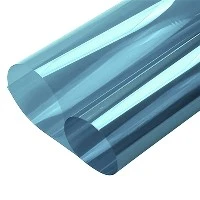

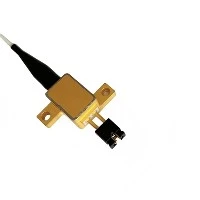
The rapid advancement of laser technology in recent years has led to an increased demand for high-performance protective windows, particularly those designed for 1064nm fiber lasers. These laser safety windows play a crucial role in safeguarding optical components and ensuring the stability and efficiency of laser systems across various industries.
The Importance of 1064nm Acrylic Fiber Laser Protective Windows
-
Enhancing Laser System Durability
One of the primary functions of a 1064nm acrylic fiber laser protective window is to shield sensitive optical components from potential damage caused by environmental factors such as dust, moisture, and mechanical impacts. By acting as a barrier, these windows help maintain the integrity and functionality of the laser system, thereby extending its operational lifespan.
-
Ensuring Optical Clarity
Maintaining optical clarity is essential for the efficient transmission of laser beams. Acrylic materials used in these protective windows are chosen for their excellent transparency properties, ensuring minimal loss of laser energy. This is particularly important in high-precision applications where even slight deviations can affect performance.
-
Reducing Maintenance Costs
Frequent replacements and cleaning of optical components can be costly and time-consuming. Protective windows reduce the need for such maintenance by preventing contaminants from reaching critical parts of the laser system. This not only saves money but also minimizes downtime, enhancing overall productivity.

Technical Specifications and Materials
-
Wavelength Compatibility
The protective window is specifically designed to work with 1064nm fiber lasers, a common wavelength used in various industrial and medical applications. The acrylic material is optimized to provide maximum transparency at this wavelength, ensuring efficient laser transmission.
-
Physical Properties
Acrylic, or Poly(methyl methacrylate) (PMMA), is favored for its robustness and lightweight nature. It offers excellent impact resistance while being easy to fabricate and install. Additionally, acrylic maintains its optical properties over a wide temperature range, making it suitable for diverse environments.
-
Optical Density and Transmittance
High optical density (OD4+) ensures that the protective window can withstand intense laser radiation without degradation. The typical transmittance value stands at 60%, indicating that a substantial portion of the laser light passes through with minimal loss, thus preserving the laser's power and effectiveness.
Applications Across Various Industries
-
Industrial Manufacturing
In the realm of industrial manufacturing, 1064nm fiber lasers are extensively utilized for cutting, welding, and engraving processes. Acrylic protective windows are employed to protect the laser optics from metal vapor, spatter, and dust, which are common byproducts of these operations. This protection ensures consistent performance and reduces the likelihood of costly repairs.
-
Medical Field
Fiber lasers are increasingly finding applications in medical procedures, including surgical operations and dermatological treatments. In these settings, the precision and reliability of the laser beam are paramount. Acrylic protective windows help maintain sterile conditions by preventing contamination of the laser source, thus ensuring patient safety and procedural success.
-
Scientific Research
Research facilities often rely on lasers for experiments ranging from spectroscopy to materials science. The controlled environment required for accurate scientific measurements necessitates the use of protective windows that can preserve the purity of the laser beam. Acrylic windows are ideal due to their low absorption and high transmittance characteristics.

Future Prospects and Innovations
-
Advancements in Material Science
Ongoing research into new acrylic composites and coatings aims to enhance the durability and performance of protective windows. Innovations such as anti-reflective coatings and scratch-resistant surfaces promise to further improve laser transmission efficiency and longevity.
-
Integration with Smart Technologies
The integration of smart technologies, such as real-time monitoring sensors, could revolutionize how protective windows function. These sensors could continuously assess the window's condition, providing early warnings of potential damage and enabling proactive maintenance.
-
Environmental Sustainability
As environmental concerns become more pressing, there is a growing emphasis on developing eco-friendly materials without compromising performance. Future iterations of acrylic protective windows may incorporate recycled materials or be designed for easier recycling at the end of their lifecycle.
Conclusion
1064nm acrylic fiber laser protective windows represent a vital component in modern laser systems, offering enhanced durability, optical clarity, and reduced maintenance costs. Their widespread applications across industrial, medical, and scientific fields underscore their importance in advancing technology and improving operational efficiency. As material science and smart technologies continue to evolve, the future holds exciting possibilities for further enhancing the performance and sustainability of these essential protective devices.