



Laser cutting has become an essential process in modern manufacturing, from industrial fabrication to creative workshops. While this technology brings precision and efficiency, it also introduces unique safety risks-especially when it comes to direct and indirect exposure to high-intensity laser beams.
In any setting where a laser cutter is in operation, whether it's a production line, research lab, or maker space, proper personal protective equipment (PPE) is not just a recommendation-it's a necessity. The right PPE protects workers from eye injuries, skin burns, inhalation of harmful fumes, and other hazards associated with laser operations.
Let's explore the essential PPE that must be worn when operating a laser cutter, and why each plays a critical role in maintaining a safe working environment.

1. Laser Safety Goggles – The First Line of Defense
Imagine standing in front of a laser cutting machine, watching as it precisely slices through metal or acrylic. What you may not see are the invisible beams of light that can reflect off surfaces and strike your eyes. Even a momentary exposure to a high-power laser beam can cause permanent vision damage.
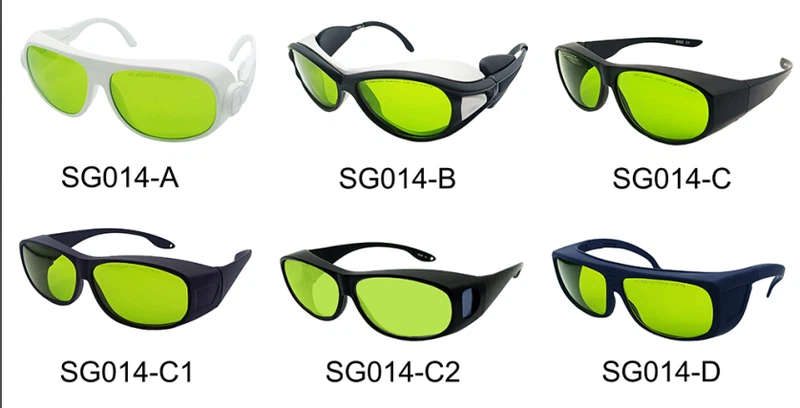
Laser safety goggles are the most critical piece of PPE when operating a laser cutter. They are designed to filter out specific wavelengths of light emitted by the laser, ensuring that harmful radiation does not reach the eyes. The level of protection depends on the optical density (OD) of the lenses, which must match the laser's power and wavelength.
Whether you're a technician fine-tuning a laser system or a student in a workshop class, wearing the correct laser safety goggles is non-negotiable.
2. Face and Head Protection – Guarding Against Reflections
In high-power laser environments, especially in industrial settings, a laser beam can reflect off shiny surfaces and travel unpredictably. These reflections can be just as dangerous as the direct beam.
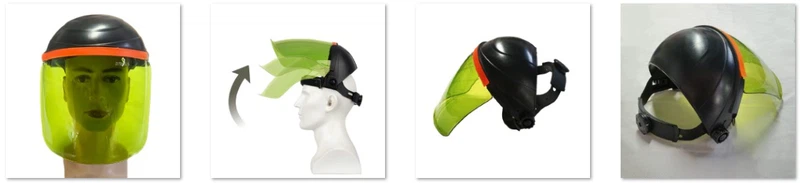
To provide additional protection beyond the eyes, laser safety face shields or helmets are often used. These shields cover the entire face and sometimes the neck area, offering a barrier against stray laser light and flying debris generated during cutting.
In environments where laser cutting is performed continuously, full-face protection ensures that no part of the face is left exposed to potential hazards.
3. Protective Clothing – Skin Safety Matters
While the eyes are the most vulnerable to laser exposure, the skin is also at risk. High-power lasers can cause burns, and the cutting process often generates sparks, hot particles, and sharp material fragments.
Wearing laser-resistant protective clothing-such as long-sleeve jackets, aprons, or full-body suits-helps reduce the risk of skin injuries. These garments are typically made from flame-resistant materials that either reflect or absorb laser energy, minimizing the chance of burns.
In a production facility or fabrication lab, choosing the right protective clothing is part of creating a culture of safety and awareness.

4. Gloves – Protecting Your Hands from Heat and Sparks
The hands are often the closest body part to the cutting zone. Whether you're loading materials, adjusting the machine, or removing finished parts, your hands are exposed to heat, sharp edges, and possible laser reflections.
Heat-resistant gloves made from flame-retardant fabrics offer protection from both thermal exposure and mechanical injuries. These gloves should be snug enough to allow dexterity but thick enough to shield the skin from sparks and accidental contact with hot surfaces.
In a fast-paced manufacturing environment, gloves are a small but vital part of the safety equation.
5. Hearing Protection – Reducing Noise Exposure
Although not directly related to laser radiation, the noise generated by laser cutting machines-especially in industrial settings-can be harmful over time. Prolonged exposure to loud machinery can lead to hearing loss.
Using earplugs or earmuffs helps protect your hearing while you focus on the task at hand. In a busy workshop or factory, noise levels can quickly rise above safe thresholds, making hearing protection a smart and necessary addition to your PPE.
6. Respiratory Protection – Breathing Safely in a Laser Environment
Laser cutting often produces fumes and fine particulates, especially when working with materials like plastics, metals, or composites. These airborne particles can irritate the respiratory system and, in some cases, pose long-term health risks.
To mitigate this, respiratory protection such as N95 masks or powered air-purifying respirators (PAPRs) should be worn, particularly in enclosed or poorly ventilated spaces.
In educational labs or small-scale studios, where ventilation may not be as robust as in industrial settings, respiratory protection is especially important.
7. Additional Laser Safety Products – Creating a Safe Work Environment
Beyond personal protective equipment, a safe laser cutting environment also relies on complementary safety products:
Laser safety curtains or barriers help contain the laser beam within the designated workspace, preventing accidental exposure to bystanders.
Warning signs and labels clearly mark laser zones and remind users of the required safety precautions.
Emergency stop systems allow immediate shutdown of the laser in case of an accident or malfunction.
Ventilation systems help remove harmful fumes and maintain air quality in the workspace.
These tools work hand-in-hand with PPE to create a comprehensive safety strategy for laser cutting operations.

Final Thoughts: Safety First in Laser Cutting Environments
Operating a laser cutter is a powerful and efficient way to shape materials, but it comes with responsibilities. Whether you're in a large-scale manufacturing plant, a university research lab, or a local makerspace, understanding and using the right personal protective equipment is essential.
From laser safety goggles to full-body protective clothing, each piece of PPE plays a role in ensuring that every laser cutting session is both productive and safe. By combining proper training, equipment, and a culture of safety awareness, you can harness the benefits of laser technology without compromising health or well-being.