



The rise of laser technology in modern industry is reflected in efficient automation: laser processing systems combined with computer numerical control technology form efficient automated processing equipment. The application of this technology not only improves processing efficiency, but also provides the possibility to produce high-quality, high-efficiency and low-cost products. Wide range of applications: Laser technology can be used in various processing methods such as welding, surface treatment, alloy production and cutting of metal materials. It is also applicable to non-metallic materials, such as photochemical deposition, laser rapid prototyping technology, laser etching, etc. Laser rapid prototyping: When manufacturing models, liquid photosensitive resin is used as a material and solidified into a solid by absorbing laser energy in the ultraviolet band. This method can accurately create complex models.
The importance and application scope of pipe cutting
The importance of pipe cutting is reflected in the following aspects:
Precision: Precise pipe cutting is critical to ensuring the seamless connection and overall integrity of your piping system. Accurate cuts prevent leaks and optimize pipe installation and performance.
Efficiency: Using a specialized pipe cutting machine provides a faster and more efficient way to cut compared to a manual saw. This is especially important for time-sensitive projects, where fast and accurate cutting is key to a successful project.
Reduced labor: Pipe cutting machines are often designed to be ergonomic, reducing the physical effort required during the cutting process and improving work comfort.
The application scope of pipe cutting includes but is not limited to the following fields:
Agricultural Equipment: Manufacturing and maintenance of pipes and other agricultural-related equipment used in irrigation systems.
Automotive Manufacturing: In the production of automotive parts, precise cutting of tubing is required to ensure component quality and performance.
Bicycle production: The manufacturing of bicycle frames and components involves the precise cutting of a variety of tubing materials.
Box manufacturing: The production of various boxes and containers also requires pipe cutting technology to ensure the stability and aesthetics of the structure.
Construction Machinery: In the field of construction and construction machinery, pipe cutting is used to manufacture metal structural parts for cranes and other heavy equipment.
Limitations of traditional pipe cutting technology:
Efficiency issues: Traditional pipe processing methods usually include multiple steps such as sawing, milling, punching, and drilling. These steps are cumbersome and time-consuming. Compared with laser pipe cutting, the latter only requires one piece of equipment and one operator. It can be completed immediately, greatly improving production efficiency.
Cost issue: Since traditional processing methods require multiple processes and more mold consumption, the cost in the entire production process is relatively high. Laser cutting technology can effectively reduce costs due to its high efficiency and reduced process requirements.
Quality and precision issues: Traditional cutting technologies such as flame cutting, plasma cutting, etc. may cause low surface quality when cutting thick steel plates. In addition, traditional methods may need to adjust the cutting speed and depth when cutting pipes of different thicknesses or materials, which increases the complexity of the operation.
The advantages of laser cutting technology are mainly reflected in high precision and efficiency, diverse adaptability of materials, flexible cutting paths and complex graphics processing capabilities, low operating costs and maintenance requirements.
1. High precision and efficiency: Laser cutting technology has very high positioning accuracy. Usually the positioning accuracy can reach 0.05mm, and the repeated positioning accuracy can reach 0.02mm. This high-precision feature enables laser cutting to create complex geometries that meet the needs of fine machining. At the same time, laser cutting is very fast, with a cutting speed of up to 10m/min, which greatly exceeds the speed of traditional wire cutting.
2. Diversity and adaptability of materials: Laser cutting technology is not affected by the hardness of the material being cut, and can cut materials of various hardnesses without deformation, including steel plates, stainless steel, aluminum alloy plates, carbide, etc. In addition, it can also cut and process non-metallic materials, such as plastic, wood, PVC, leather, textiles and plexiglass.
3. Flexible cutting path and complex graphics processing capabilities: Laser processing has good flexibility and can process any graphics, suitable for cutting pipes and other special-shaped materials. This flexibility makes laser cutting ideal for customized production and small batch production, and can quickly adapt to market changes and customer needs.
4. Low operating costs and maintenance requirements: Laser processing does not require molds, no mold consumption, and no need to repair molds, thus saving processing costs and reducing production costs. At the same time, because the operation and maintenance of laser cutting machines are relatively simple, this also reduces the operating costs of the company.
Laser is widely used in pipe cutting. It can adapt to many types of pipes and has the characteristics of high precision and high efficiency.
Laser cutting technology can be applied to pipes of various materials, including carbon steel, stainless steel, aluminum alloy, etc., as well as pipes of different shapes, such as round pipes, square pipes, rectangular pipes, oval pipes, etc. This technology can not only be used for cutting and drilling pipes, but also for contour cutting to meet the needs of fine operations. Laser cutting solutions are suitable for thin tubes as small as a few millimeters in diameter, but can also handle large tubes with diameters of tens of centimeters.
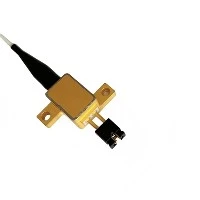
The main components of the laser cutting system include the laser, cutting head, control system, machine tool and auxiliary gas supply system. The laser is the core of the laser cutting system, which generates a high-power laser beam for cutting materials. The cutting head is responsible for guiding the laser beam to accurately hit the material and cut it. The control system is responsible for the automatic control of the entire cutting process, including the adjustment of laser power, cutting speed and path. The machine tool provides a stable working platform to ensure a smooth cutting process. The auxiliary gas supply system provides the auxiliary gas required during the cutting process, such as oxygen or nitrogen, to help improve the cutting effect and quality.
Application of laser in pipe cutting Case analysis of laser application in pipe cutting involves multiple industries, as follows:
1. Automobile industry: In automobile manufacturing, laser cutting is used for processing automobile parts, such as doors, exhaust pipes, etc. It can remove excess corners or burrs after processing, improving accuracy and efficiency. For example, using a laser cutting machine to cut aluminum alloy plates can efficiently and accurately meet the diverse needs of the automobile manufacturing process.
2. Aerospace field: The application of laser technology in this field is particularly critical, especially in the processing of accessories and components for aircraft and space rockets. The accuracy and high efficiency of laser cutting are directly related to the quality and performance of aviation products.
3. Pipe engineering and building structures: Laser cutting provides new solutions for pipe cutting in pipe engineering and building structures. It not only improves work efficiency, but also ensures the stability of the structure and the sealing of the connection.
4. Medical device manufacturing: The medical industry has extremely high requirements for precision and cleanliness. Laser cutting technology can ensure sterile and pollution-free conditions when manufacturing various precision medical devices, while achieving precise cutting of complex designs.
In addition, laser cutting technology is also widely used in agricultural machinery, advertising production, clothing manufacturing, kitchenware production and fitness equipment and other industries. Its advantages include fast processing speed, high precision, good flexibility and environmental protection. These characteristics make laser cutting an important tool for the manufacturing industry to improve production efficiency and product quality.
The revolutionary impact of laser technology on pipe cutting is mainly reflected in the improvement of efficiency, quality and flexibility.
1. Efficiency improvement: Laser cutting technology can quickly complete complex cutting tasks, greatly improving production efficiency. Compared with traditional mechanical cutting methods, laser cutting is much faster, and there is no need to change tools, reducing downtime.
2. Quality improvement: Laser cutting has very high precision and can achieve non-contact cutting, avoiding surface damage and deformation of materials. In addition, laser cutting has a small heat-affected zone, narrow slits, and smooth cutting edges, which improves the overall quality of the product.
3. Improved flexibility: Laser cutting technology can easily switch between different cutting patterns and sizes to adapt to diverse production needs. It can also handle a variety of materials, including metals, plastics, wood, and more, further expanding its range of applications.
These revolutionary impacts directly promote the improvement of industrial efficiency and product quality. In industries such as automobile manufacturing, aerospace, and medical equipment, the application of laser cutting technology not only improves production efficiency, but also ensures product accuracy and consistency, thus enhancing the competitiveness of enterprises.
Expectations and challenges for future industrial development mainly include technological innovation, cost control, talent training and environmental protection requirements. With the continuous advancement of technology, laser cutting technology will be more intelligent and automated in the future, enabling more efficient and precise cutting. At the same time, reducing costs, cultivating professional and technical talents, and complying with environmental protection requirements are also important directions for future development. Through continuous technological innovation and optimization, laser cutting technology is expected to play a greater role in future industrial development.
Contact information:
If you have any ideas, feel free to talk to us. No matter where our customers are and what our requirements are, we will follow our goal to provide our customers with high quality, low prices, and the best service.
 Email:info@loshield.com
 Tel:0086-18092277517
 Fax: 86-29-81323155
 Wechat:0086-18092277517


