


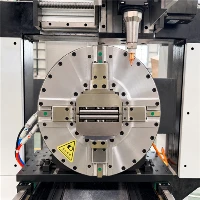
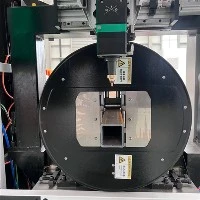
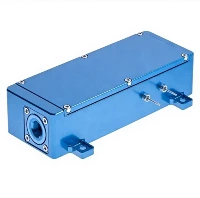
Laser safety windows are protective viewing panels designed to reduce hazardous laser radiation while allowing operators to monitor laser processing equipment. They are commonly used in laser cutting machines, laser welding systems, engraving equipment, and industrial laser enclosures.
Unlike laser safety fences, which restrict access to hazardous laser areas, laser protective windows provide visibility while attenuating specific laser wavelengths.
Choosing the right laser safety window requires careful consideration of wavelength, optical density (OD), visible light transmission (VLT), laser exposure conditions, and installation requirements.
This guide explains how laser safety windows work, how they differ from laser safety fences, and what to consider when selecting laser protection for industrial applications.

I. Definition and Purpose
A. Laser Safety Fence
A laser safety fence, also known as a laser perimeter barrier or laser guard, is a physical barrier system designed to enclose a laser work area. Its primary purpose is to prevent unauthorized personnel from entering the hazardous laser zone and thus minimizing the risk of laser-related injuries. Laser safety fences are typically made of durable materials such as stainless steel or aluminum, and they may incorporate various safety features like interlocks, alarms, and emergency stop buttons.
 |
 |
A laser safety window, on the other hand, is a transparent or translucent panel designed to protect the operator or viewer from laser radiation while still allowing visibility. These windows are commonly used in laser machinery enclosures, laser cabinets, or observation ports where personnel need to monitor the laser process without direct exposure to the laser beam. Laser safety windows are made of specialized materials that can attenuate or reflect laser light effectively.

II. How Do Laser Safety Windows Work?
Laser safety windows use specialized optical materials to attenuate hazardous laser radiation within specific wavelength ranges while allowing visible light to pass through. This enables operators to monitor laser processing equipment while reducing the risk of exposure to hazardous laser radiation.
The protective performance of a laser protective window is commonly measured by optical density (OD). A higher OD value indicates greater laser attenuation at a specified wavelength. Visible light transmission (VLT) determines how clearly operators can observe the laser processing area.
When selecting a laser protection window, factors such as laser wavelength, optical density, laser power, exposure duration, beam size, and material resistance to laser-induced damage must be considered.
Properly selected laser safety windows can be integrated into laser cutting machines, laser welding systems, laser marking equipment, and industrial laser safety enclosures.
III. Similarities
Despite their differences, laser safety fences and laser safety windows share some commonalities:
Safety Focus: Both products are designed with a primary focus on laser safety, aimed at reducing the risk of laser-related injuries to personnel.
Regulatory Compliance: Both laser safety fences and laser safety windows must adhere to relevant safety standards and regulations, such as those set by ANSI, IEC, or FDA.
Material Selection: The materials used in both products are selected for their ability to resist or attenuate laser light, ensuring that personnel are protected from hazardous laser radiation.

IV. Differences
A. Application
Laser Safety Fence: Primarily used as a perimeter barrier to enclose the laser work area, preventing unauthorized access.
Laser Safety Window: Used as a protective barrier in laser machinery enclosures, cabinets, or observation ports, allowing visibility while minimizing laser exposure.
B. Design and Construction
Laser Safety Fence: Typically made of metal frames with interconnected panels or bars, providing a robust physical barrier. Safety features like interlocks, alarms, and emergency stop buttons may be incorporated.
Laser Safety Window: Made of transparent or translucent materials like specialized glass or plastic, designed to attenuate or reflect laser light while maintaining visibility.
C. Functionality
Laser Safety Fence: Primarily functions as a physical barrier, preventing access to the laser work area.
Laser Safety Window: Functions as a protective barrier while allowing visibility, enabling personnel to monitor the laser process.
D. Visibility
Laser Safety Fence: Opaque, providing no visibility into the enclosed laser work area.
Laser Safety Window: Transparent or translucent, allowing personnel to see through the window and monitor the laser process.

V. Advantages and Disadvantages
A. Laser Safety Fence
Advantages:
Robust physical barrier, effectively preventing unauthorized access.
Incorporates safety features like alarms and interlocks.
Provides complete enclosure of the laser work area.
Disadvantages:
Opaque, preventing visibility into the enclosed area.
May require additional monitoring systems to ensure personnel safety.
Advantages:
Allows visibility into the laser work area or enclosure.
Enables personnel to monitor the laser process without direct exposure.
Transparent or translucent design minimizes obstruction.
Disadvantages:
Limited in size and placement due to the need for effective laser attenuation.
May require specialized cleaning and maintenance to maintain optical clarity.
| Criteria | Laser Safety Fence | Laser Safety Window |
|---|---|---|
| Application | Perimeter barrier to enclose laser work area, preventing unauthorized access. | Protective barrier in laser machinery enclosures, cabinets, or observation ports, allowing visibility while minimizing laser exposure. |
| Design and Construction | Made of metal frames with panels or bars; may incorporate safety features like interlocks, alarms. | Made of transparent or translucent materials designed to attenuate or reflect laser light. |
| Functionality | Physical barrier preventing access to the laser work area. | Protective barrier allowing visibility for monitoring the laser process. |
| Visibility | Opaque, no visibility into the enclosed area. | Transparent or translucent, allows monitoring the laser process. |
| Advantages | Robust physical barrier; prevents unauthorized access; incorporates safety features. | Allows visibility into the laser work area; enables monitoring without direct exposure. |
| Disadvantages | Opaque, may require additional monitoring systems. | Limited in size and placement; may require specialized maintenance. |
| Installation | Laser work area perimeter | Machine enclosures and viewing ports |
VI. How to Choose the Right Laser Protective Window
Selecting the right laser protective window is essential for industrial laser safety, equipment performance, and operator visibility. The following six factors should be considered when choosing a laser safety window for your application.
1. Laser Wavelength
Different laser systems operate at different wavelengths. A laser safety window must provide adequate attenuation across all relevant laser wavelengths.
Common laser wavelengths include 355 nm for UV lasers, 532 nm for green lasers, 1064–1080 nm for many fiber laser systems, and 10600 nm for CO₂ lasers.
2. Optical Density (OD)
Optical density measures the attenuation of laser radiation at a specific wavelength. A higher OD value indicates greater attenuation.
The required OD must be determined through a laser hazard assessment that considers wavelength, output power, operating mode, and potential exposure conditions.
3. Visible Light Transmission (VLT)
Visible light transmission determines how much visible light passes through the laser protective window. An appropriate VLT helps operators observe the laser processing area while maintaining the required laser attenuation.
4. Laser Power and Exposure Conditions
Laser power, beam diameter, pulse characteristics, and exposure duration are important factors when selecting a laser protection window.
In addition to optical density, the window's resistance to laser-induced damage must be evaluated under foreseeable exposure conditions.
5. Window Material and Thickness
Laser safety windows are available in different materials, including optical acrylic, polycarbonate, and specialized glass.
Material selection should consider optical performance, mechanical strength, environmental conditions, and installation requirements. Thickness alone does not determine laser protection performance.
6. Window Size and Installation Requirements
Laser protective windows should be selected according to the dimensions and structural requirements of the laser machine enclosure or observation port.
Custom dimensions, thicknesses, and mounting configurations may be required for laser cutting machines, laser welding systems, and other industrial laser equipment.
If you are looking for a custom laser safety window, contact our team with your laser wavelength, power, window dimensions, and application requirements to discuss suitable product options.
VII. Conclusion
In summary, laser safety fences and laser safety windows are two distinct products designed to protect personnel from the hazards of laser radiation. While both share a common focus on laser safety, they differ significantly in their applications, designs, and functionalities. The choice of using a laser safety fence or a laser safety window depends on the specific requirements of the laser work area, including the need for visibility, the size and shape of the enclosure, and the level of safety protection required. By understanding the similarities and differences between these two products, personnel can make informed decisions to ensure the safety of their laser work environment.