



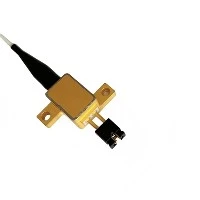
Lasers have become an indispensable tool in various fields, including medicine, industry, research, and entertainment. Specifically, 405nm lasers, commonly referred to as blue-violet lasers, have found widespread applications such as in Blu-ray disc technology, fluorescence microscopy, and spectroscopy. Despite their utility, these lasers pose significant risks to human health, particularly to the eyes and skin, due to their high-intensity, focused beam of light.
Potential Risks to the Eyes
Understanding the Blue Light Hazard
405nm lasers fall within the blue-violet region of the visible spectrum. This wavelength can penetrate deep into the eye and has enough energy to trigger photochemical reactions, leading to what is known as blue light hazard. The eye is particularly vulnerable due to the focusing effect of the cornea and lens, which can concentrate the laser beam onto the retina, leading to severe damage.
Types of Eye Damage
Photochemical Damage: Prolonged exposure to 405nm light can result in photochemical damage to the retinal cells. This is primarily due to the absorption of high-energy blue light by the photopigments in the retina, leading to the generation of toxic reactive oxygen species (ROS).
Thermal Damage: Direct exposure to a high-powered 405nm laser can cause thermal injuries to the retina and other ocular structures. The intense heat generated by the focused beam can denature proteins and damage cellular membranes.
Flash Blindness: Even brief exposure to a high-intensity 405nm laser can lead to temporary flash blindness, impairing vision and potentially leading to accidents or further exposure incidents.

Symptoms of Eye Damage
Symptoms of eye damage from 405nm laser exposure can range from mild discomfort to severe, permanent vision loss. They include:
Pain and Irritation: Initial symptoms might include a sensation of pain or discomfort in the eye, often accompanied by redness and excessive tearing.
Blurred Vision: Damage to the retinal cells can lead to blurred vision, making it difficult to focus on objects or read text.
Scotomas: Photochemical or thermal damage can result in scotomas, which are dark spots in the visual field where vision is impaired or lost.
Permanent Vision Loss: In severe cases, prolonged or direct exposure to a 405nm laser can result in permanent vision loss due to irreversible retinal damage.
Mitigating Risks to the Eyes
Personal Protective Equipment (PPE)
The most critical measure to mitigate the risks to the eyes is the use of appropriate Personal Protective Equipment (PPE), primarily laser safety goggles. These goggles should be specifically rated to block 405nm wavelengths and should comply with relevant safety standards, such as those set by the American National Standards Institute (ANSI) or the International Electrotechnical Commission (IEC).
Spectral Blocking Filters: Laser safety goggles for the 405nm wavelength are equipped with spectral blocking filters that absorb or reflect the blue-violet light, significantly reducing the laser's intensity reaching the eyes.
Proper Fit and Comfort: It is essential to ensure that the laser safety goggles are properly fitted to prevent any gaps that could allow laser light to reach the eyes. Goggles should also be comfortable to wear for extended periods to encourage consistent use.
Administrative Controls
Implementing robust administrative controls can significantly reduce the risk of eye injuries. These controls include:
Training and Education: All personnel working with or around 405nm lasers should undergo comprehensive training on laser safety. This training should cover the potential hazards, proper use of PPE, emergency procedures, and the importance of adhering to safety protocols.
Establishing Safety Zones: Defining specific areas where laser use is permitted, often referred to as Laser Controlled Areas (LCAs). These zones should be clearly marked with appropriate signage, and access should be restricted to trained personnel.
Standard Operating Procedures (SOPs): Developing and enforcing SOPs for the safe operation, maintenance, and handling of 405nm lasers. These procedures should include protocols for proper alignment, beam control, and emergency shut-off mechanisms.
Engineering Controls
In addition to PPE and administrative controls, engineering controls can provide an added layer of protection:
Beam Enclosures: Utilizing beam enclosures or barriers to contain the laser beam and prevent accidental exposure. These enclosures can be made from materials that effectively absorb or reflect the 405nm wavelength.
Interlocks and Safety Switches: Installing interlocks and safety switches that automatically shut off the laser when the protective enclosure is opened or disturbed. This ensures that the laser does not operate unless all safety measures are in place, preventing accidental exposure.
Potential Risks to the Skin
Although the eyes are the most vulnerable to laser exposure, the skin can also suffer significant damage from prolonged or direct exposure to a 405nm laser. The risks to the skin include:
Types of Skin Damage
Photochemical Reactions: Similar to the effects on the eyes, the blue-violet light from a 405nm laser can cause photochemical reactions in the skin, leading to the production of reactive oxygen species (ROS). These reactive molecules can damage cellular structures, proteins, and DNA, potentially leading to skin aging and other deleterious effects.
Thermal Burns: Direct exposure to a high-powered 405nm laser can cause thermal burns. The intense heat generated by the laser can denature proteins, destroy cellular membranes, and lead to immediate and often severe burns.
Erythema and Blisters: Prolonged exposure to lower-intensity 405nm lasers can result in erythema (redness) and the formation of blisters, similar to sunburn. This is due to the inflammatory response triggered by damage to skin cells.
Symptoms of Skin Damage
Symptoms of skin damage from 405nm laser exposure can vary based on the duration and intensity of exposure and may include:
Redness and Swelling: Initial signs of damage may include erythema, characterized by redness and swelling of the skin.
Pain and Sensitivity: Affected areas may become painful, sensitive to touch, and prone to inflammation.
Blisters and Ulceration: Severe or prolonged exposure can lead to blister formation, and in extreme cases, ulceration or open wounds.
Long-Term Risks: Repeated or severe exposure can potentially increase the risk of skin cancers such as melanoma, due to DNA damage and the subsequent possibility of mutations.
Mitigating Risks to the Skin
Personal Protective Equipment (PPE)
Just as with eye protection, PPE is crucial for protecting the skin from laser exposure:
Laser Safety Gloves: Wearing gloves made from materials that can effectively block or absorb 405nm laser light can prevent direct hand exposure.
Protective Clothing: Utilizing lab coats, long sleeves, and aprons made from laser-resistant materials can protect exposed skin.
Face Shields: In scenarios where there is a risk of direct exposure to the face, using a full-face shield along with laser safety goggles can provide comprehensive protection.

Administrative Controls
Administrative controls play an essential role in reducing skin exposure risks:
Safety Audits and Inspections: Regular safety audits and inspections can ensure compliance with safety protocols and identify potential hazards before they result in accidents.
Hazard Communication: Clearly communicate the potential risks associated with 405nm lasers through safety data sheets (SDS), warning labels, and training programs.
Incident Reporting Protocols: Establish and enforce a protocol for reporting and investigating laser-related incidents to prevent future occurrences.
Engineering Controls
Engineering solutions can also mitigate the risks of skin exposure:
Shielding and Barriers: Using physical barriers, shields, or curtains around the laser setup can prevent accidental skin exposure.
Remote Operation and Automation: Implementing remote operation technologies and automated systems can keep personnel at a safe distance from laser sources.
Laser Beam Control: Use beam dumps or optical traps to safely terminate the laser beam, preventing accidental reflections or diffuse scatter that can reach the skin.
Immediate Response and Medical Attention
Prompt response and medical attention are crucial in the event of accidental exposure:
First Aid Measures for Eye Exposure: If the eyes are exposed to a 405nm laser, immediate measures include shielding the eyes from further light exposure and seeking medical attention. Flash blindness should be managed in a safe environment to prevent secondary injuries.
First Aid Measures for Skin Exposure: For skin exposure, remove the affected person from the laser area immediately. Cool the exposed area with cold, running water to minimize burns, and cover any visible blisters or burns with a sterile dressing. Seek medical evaluation for further treatment.
Access to Medical Professionals: Having access to medical professionals trained in laser-related injuries can ensure appropriate and timely treatment, reducing the risk of long-term damage.
Conclusion
The potential risks to the eyes and skin from prolonged or direct exposure to a 405nm laser are significant and can lead to severe and long-lasting injuries. However, these risks can be effectively mitigated through the implementation of appropriate personal protective equipment, rigorous administrative controls, and robust engineering measures. Comprehensive training and awareness among personnel working with or around 405nm lasers are essential to promote a culture of safety and prevent accidents.